



Title: Understanding High-Risk Areas for Missing Dogs: A Practical Overview
Introduction:
Every year, countless families experience the distress of a missing dog. Certain places—whether bustling city parks or quiet countryside trails—seem to present a higher chance of pets wandering off. By learning why dogs become lost in these spots and by sharing simple, proven precautions, owners can greatly reduce the risk. This overview examines what makes an area “high-risk,” highlights the most common contributing elements, and outlines practical steps for prevention and swift recovery.
Understanding High-Risk Areas
High-risk areas are locations where dogs more frequently stray from their guardians. They can be urban greenways, suburban neighborhoods, or remote hiking paths. Shared traits often include limited visibility, enticing wildlife, or heavy foot traffic that can startle or distract a pet. Recognizing these traits is the first step toward safer outings.
Factors That Increase the Chance of a Dog Going Missing
Several elements combine to create a perfect storm for a curious canine:
1. Environmental Conditions: Thick underbrush, steep slopes, or sudden weather changes can disorient a dog and mask familiar scents, making it hard to retrace the route home.
2. Human Activity: Off-leash walks in unfamiliar territory, brief moments of inattention at cafés, or doors left ajar during deliveries all give dogs an opportunity to bolt. Construction noise, fireworks, or the sight of a squirrel can further tempt them to run.
3. Landscape Features: Rivers, cliffs, or dense woods can act as natural barriers, funnelling a panicked dog farther away and complicating search efforts.
4. Canine Traits: Puppies and adolescents often explore without caution; scent-driven breeds may follow an interesting trail for miles; anxious dogs can flee at loud sounds. Age, breed tendencies, and individual temperament all influence how easily a pet becomes lost.
Prevention and Recovery Strategies
A layered approach keeps dogs safe and speeds reunion when the unexpected happens:
1. Education & Awareness: Short workshops, vet-clinic posters, and neighborhood social-media groups can remind owners to stay vigilant, use well-fitting harnesses, and practice reliable recall commands.
2. Permanent ID & Microchips: Collar tags with current phone numbers plus a registered microchip give every dog a ticket home if someone finds them.
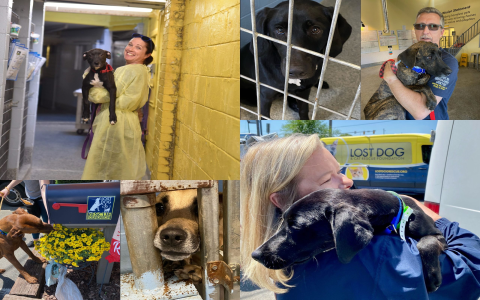
3. Community Partnerships: Local shelters, park rangers, and volunteer groups can share sighting reports, coordinate searches, and maintain “lost pet” notice boards at trailheads and cafés.
4. Secure Play Zones: Fenced dog parks, clearly marked off-leash hours, and agility enclosures let pets exercise freely while reducing the odds of accidental roaming.
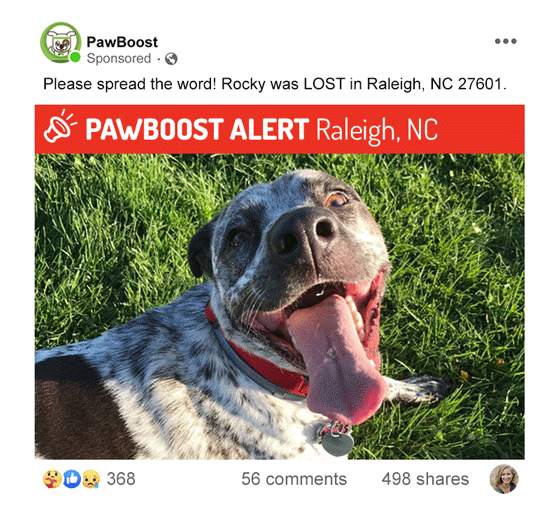
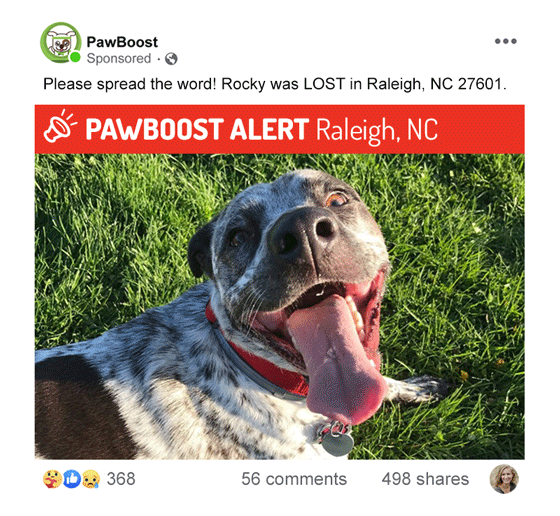
5. Swift Search Techniques: When a dog does go missing, quick action matters—distribute clear photos online, canvas the area at dawn and dusk when traffic is light, leave an unwashed blanket or favorite toy outside the home as a scent beacon, and consider GPS-enabled collars for real-time tracking.
Conclusion
High-risk areas for missing dogs exist in every community, but informed owners can tip the odds in favor of safety. By understanding environmental triggers, respecting individual canine tendencies, and adopting straightforward precautions—identification, training, secure spaces, and rapid response networks—we protect our four-legged companions and bring them home faster if they do slip away. Continued collaboration among owners, veterinarians, and local organizations will refine these practices and keep more tails wagging safely by our sides.
In short, a combination of awareness, preparation, and community support forms the best safety net against the heartache of a lost dog. Future efforts should focus on expanding educational outreach, evaluating new safety technologies, and fostering neighborhood cooperation so that every outing ends with a happy return.