




The Significance of Canine Companionship: A Comprehensive Overview
Introduction
The bond between people and dogs has fascinated both scientists and pet lovers for generations. This overview explores why canine companionship matters, looking at the emotional, psychological, and social rewards it brings. By highlighting these advantages, we can better understand how dogs enrich everyday life.
Emotional Benefits of Canine Companionship
1. Stress Relief
Spending time with a dog can ease tension. Gentle interaction often lowers stress hormones and encourages a calmer mood. Many owners report feeling more relaxed after a few quiet minutes stroking their pet, especially after a demanding day.

2. Brighter Outlook
Dogs have a talent for lifting spirits. Their playful antics and steady affection frequently spark laughter and positive feelings. Regular contact with a cheerful canine can help maintain an optimistic mindset and add moments of joy to routine activities.
Psychological Benefits of Canine Companionship
1. Stronger Social Skills
Caring for a dog nurtures communication and empathy. Children who grow up alongside a pet often practice patience, sharing, and non-verbal cues, abilities that transfer to relationships with peers.
2. Greater Confidence

A loyal dog offers non-judgmental support, reinforcing a person’s sense of worth. Knowing a companion trusts and depends on them can encourage owners to take on new challenges and view themselves more positively.
Social Benefits of Canine Companionship
1. Easier Connections
Walking a dog naturally invites conversation. Common questions about breed, age, or favorite toys break the ice and can turn strangers into acquaintances, broadening social circles with minimal effort.
2. Community Engagement
Shared spaces such as parks, training classes, or charity walks gather like-minded owners. These gatherings foster cooperation, exchange of advice, and a friendly neighborhood atmosphere that benefits everyone involved.
The Science Behind the Bond
1. Hormonal Harmony
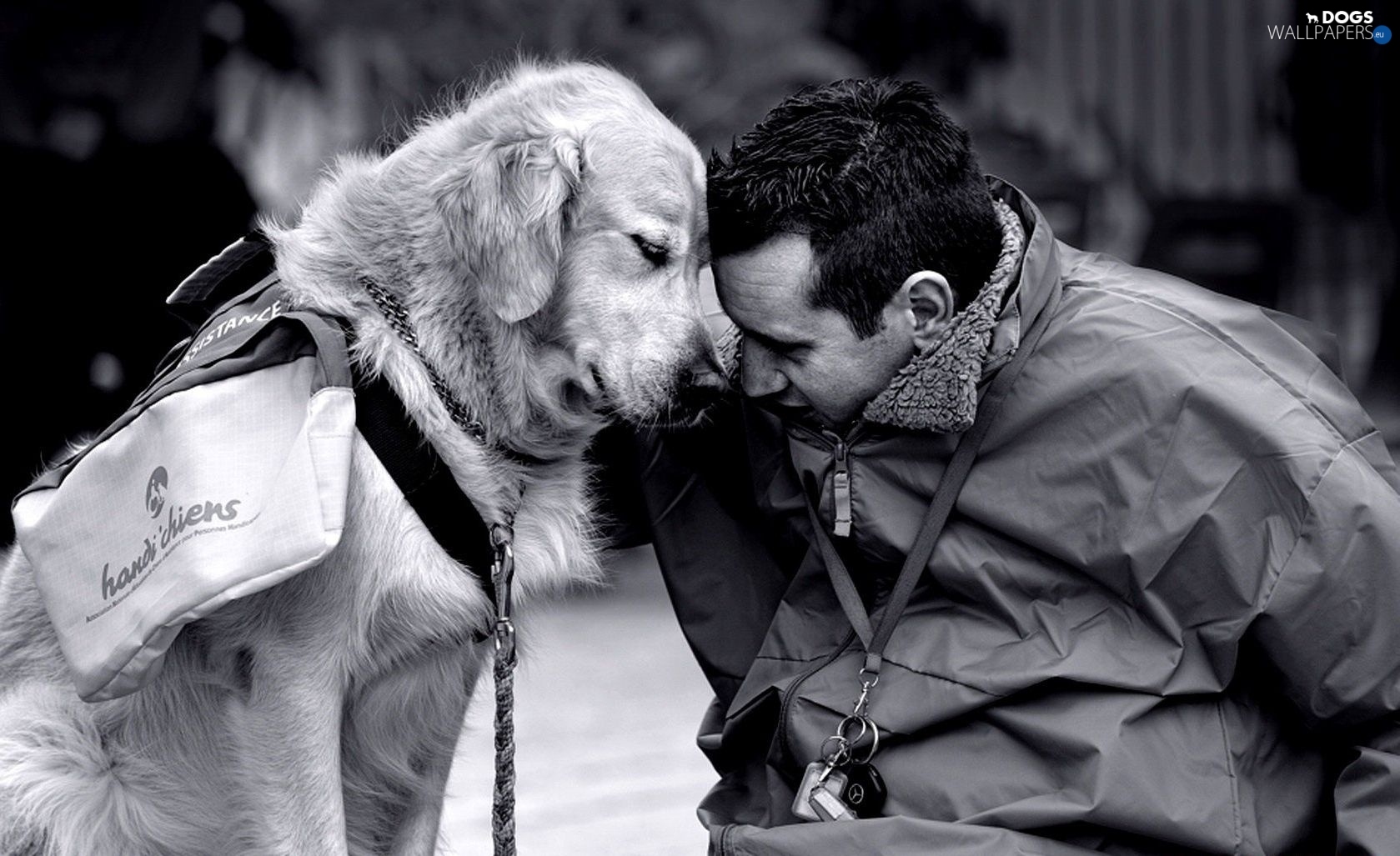
Positive interaction triggers the release of oxytocin in both species, a hormone linked to trust and affection. This mutual biochemical response deepens attachment and explains the warm feeling many people experience when cuddling their dog.
2. Emotional Echoes
Mirror neurons allow dogs to pick up on human gestures and moods, while owners often unconsciously imitate canine body language. This two-way empathy strengthens understanding and synchronizes emotions between the two species.
Conclusion
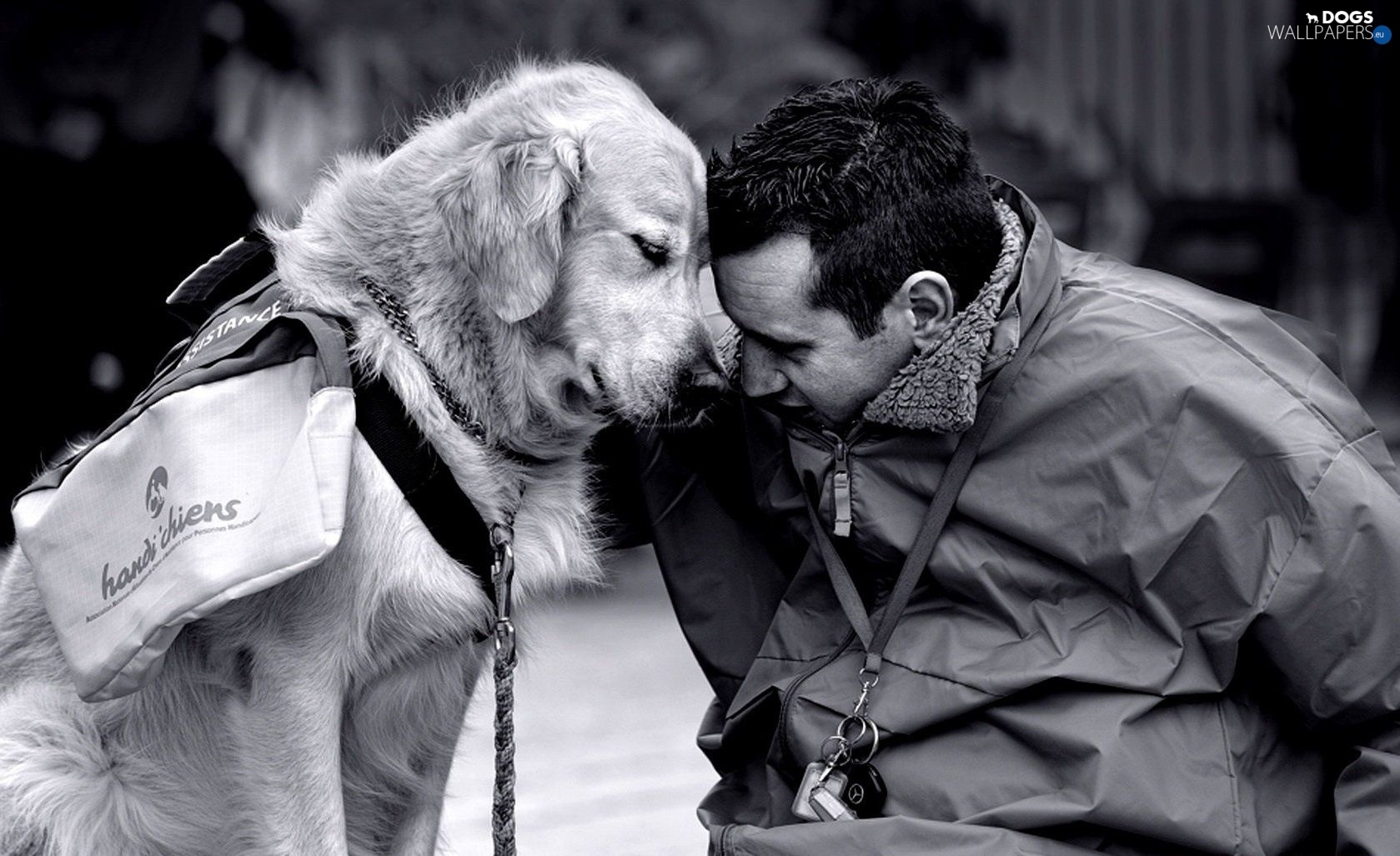
Canine companionship delivers wide-ranging rewards, from soothing stress and brightening moods to sharpening social skills and knitting communities together. Supported by both everyday experience and scientific findings, the human-dog relationship remains a valuable part of daily life. Continuing to cherish and study this partnership promises further insights into mutual well-being for people and their four-legged friends alike.