




Which Dog Are You Today: A Playful Lens on Personality and Mood
Introduction
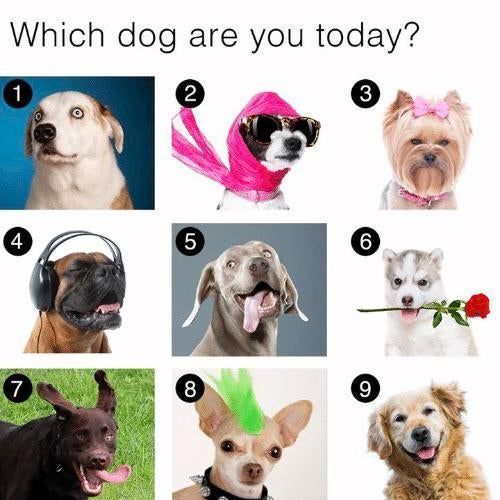
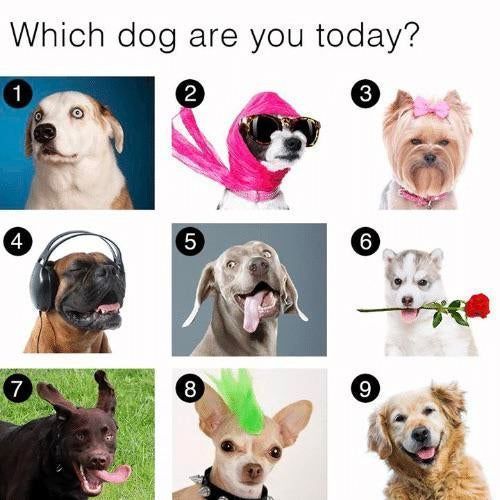
“Which dog are you today?” is less about pets and more about the shifting colors of human temperament. Like dogs that bark, nap, or chase tails, we slip from one mood to another as the day unfolds. This short tour treats personality as a weather system—stable enough to recognize, yet open to sudden breezes—and invites you to notice which inner pup is currently wagging the tail.
The Concept of Personality
What is Personality?
Personality is the recognizable melody of your thoughts, feelings, and habits. It is the reason friends can finish your jokes yet still meet a version of you they have never seen before. While the tune stays familiar, the tempo can change without warning.

The Big Five Personality Traits
Psychologists often map personality onto five wide plains: openness to novelty, conscientiousness, extraversion, agreeableness, and emotional steadiness. These plains do not shift overnight, but clouds drift across them, altering the scenery hour by hour.
The Metaphor of the Dog
Dogs as Metaphors for Personality
Dogs fit this idea naturally. A dignified shepherd, a bouncy spaniel, or a couch-loving hound each mirrors a stance we sometimes take toward life. The metaphor works because breeds suggest moods, not verdicts; they let us speak lightly about states that might otherwise feel heavy.
The Dynamic Nature of the Dog Metaphor
Asking “which dog today?” admits that no single label sticks. You might wake up a sleepy basset, sprint into terrier energy after coffee, then curl up like a lapdog by evening. The question keeps the story open.
Factors Influencing Personality
Environmental Influences
Rooms, routines, and the people in them quietly train our inner pups. A calm household encourages mellow tail-wags; a crowded commute may rouse the guard-dog reflex. Settings nudge; they do not imprison.
Genetic Influences
Some pups are born with louder barks or sharper noses. Temperament has a heritable thread, yet even the most wired greyhound can learn to pause at the whistle. Genes set the range; experience chooses the route.
Self-Concept and Self-Regulation
Noticing which dog you are is already half the trick. Once spotted, you can leash the reactive pug or unleash the curious retriever. Awareness gives you the tug toy; you decide when to fetch.
The Which Dog Are You Today Question
Identifying Your Current Dog
Pause and sniff the air of your own mood. Are your thoughts trotting in circles or padding along steadily? Is your tail (or tone with others) high, low, or wagging wildly? The answers sketch today’s inner breed.
The Role of Context
Same park, different dogs. A quiet library may bring out the composed mastiff, while a concert lawn summons the frisbee-ready border collie. Place is the hidden whistle.
Case Studies and Examples
Case Study 1: The Shy Student
A reserved learner walks into a poetry workshop and discovers a sled-dog stride in her voice. The circle of listeners, the safety of metaphor, and the thrill of rhyme turn hesitation into momentum.
Case Study 2: The Professional Athlete
On the field he is all wolf—eyes forward, paws pounding. At the youth clinic afterward he sits cross-legged, letting small hands tug his ears, more golden companion than predator.

Conclusion
The dog metaphor is a gentle mirror. It reminds us that identity is not a statue but a pack on the move. Noticing which dog shows up today keeps the walk interesting and the leash loose.
Revisiting the Purpose and Importance
This stroll through kennels of mood aimed to show personality as a living sequence rather than a fixed tag. By watching the daily shift of paws, we meet ourselves—and others—with fresher eyes and fewer harsh judgments.
Recommendations and Future Research
Curious minds might explore:
– How daily rituals stabilize or shuffle the pack.
– Whether brief mindfulness breaks invite calmer breeds to stay longer.
– How online spaces redraw the fence lines of our inner yards.
Keep asking the question, keep watching the tail, and the walk stays lively.