



German Shepherd Puppy to Adult: A Comprehensive Guide
Introduction
The German Shepherd, celebrated for its intelligence, loyalty, and adaptability, remains one of the most beloved breeds across the globe. From a tiny puppy to a confident adult, this dog passes through distinct developmental phases. Recognizing and supporting each stage is key to raising a balanced, happy companion. This guide walks you through the entire journey, highlighting physical, mental, and behavioral milestones.
Physical Development
Puppy Stage (0-6 Months)
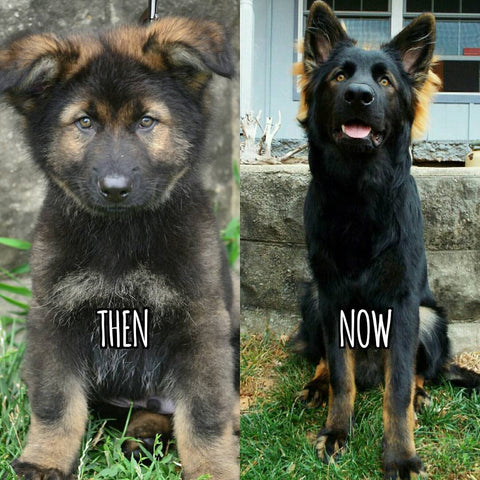
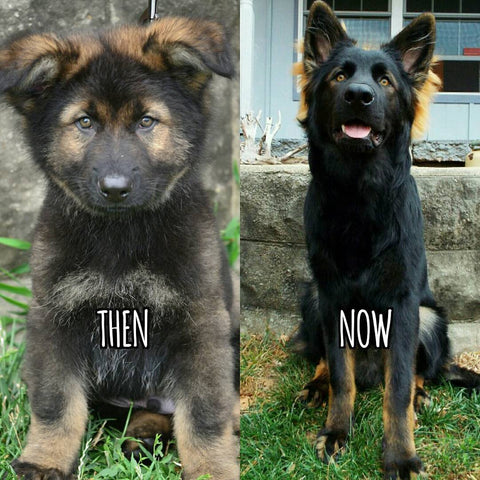
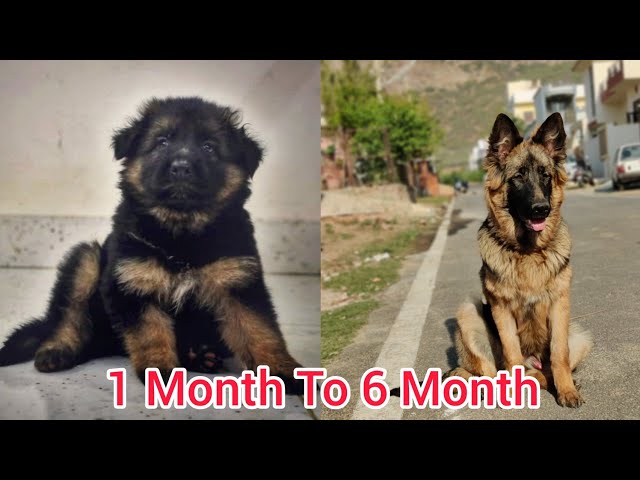
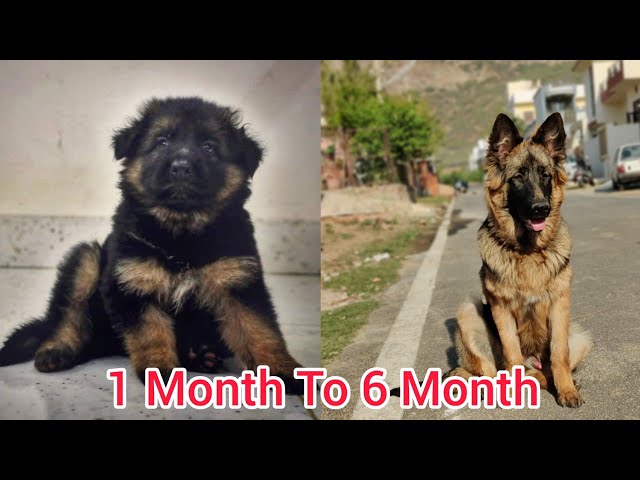
In the first half-year, a German Shepherd puppy grows quickly, gaining noticeable size and weight almost weekly. The coat is fluffy and dense, offering warmth and protection. Bursting with energy, the pup spends its days investigating every corner and scent.
Juvenile Stage (6-12 Months)
Between six and twelve months, growth continues at a steady pace. The body lengthens and strengthens, while the coat becomes thicker and more weather-resistant. Playful nipping and rough-and-tumble games are common as the youngster tests its own limits.
Adolescent Stage (1-2 Years)
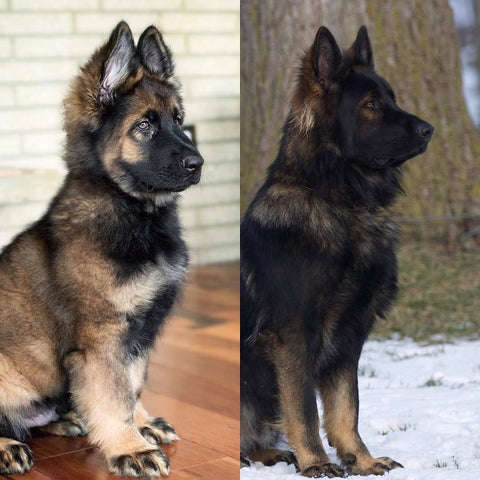
From the first to the second birthday, the dog reaches full height and muscle mass. The adult coat is now complete, giving the dog its classic silhouette. Independence increases, so clear guidance and daily exercise are essential.
Adult Stage (2 Years and Beyond)
After two years, the German Shepherd is physically mature. Movement is smooth and powerful, and the coat is easy to maintain with routine brushing. A calm, self-assured presence makes the dog a reliable partner for work, sport, or quiet companionship.
Mental Development
Puppy Stage
The brain soaks up new experiences like a sponge. Short, positive outings to different places, along with gentle handling by new people, build confidence and reduce future anxiety.
Juvenile Stage
Curiosity remains high, but patience can run short. Brief, consistent lessons help the dog learn self-control. Puzzle toys and reward-based training keep the mind engaged without stress.
Adolescent Stage

Problem-solving skills sharpen, yet the dog may question familiar rules. Continuing daily training sessions and rotating activities—tracking, scent games, or fetch—channel intelligence into constructive outlets.
Adult Stage
Learning ability remains strong, but habits are now well-formed. Ongoing mental challenges such as advanced obedience, agility, or therapy work prevent boredom and strengthen the bond with the owner.
Behavioral Development
Puppy Stage
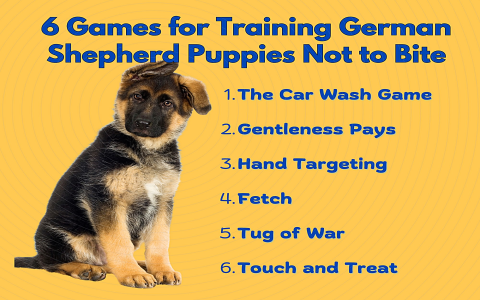
Mouthing, chewing, and excited barking are typical. Supplying safe toys and redirecting biting to appropriate items teaches the puppy what is acceptable.
Juvenile Stage
Some dogs may try to assert themselves. Polite leash walking and waiting at doorways reinforce respectful behavior. Early, friendly meetings with other dogs promote good manners.
Adolescent Stage
Selective hearing and boundary testing can appear. Maintaining predictable routines and rewarding calm responses rebuild reliability. Short, upbeat training interludes work better than long, repetitive drills.
Adult Stage
Most adults are steady and responsive. Still, changes in routine or environment can trigger stress. Watching for subtle signs and offering reassurance keeps behavior balanced.
Training and Socialization
Puppy Stage
Begin with name recognition, sit, and come when called. Pair each success with praise or a treat. Invite visitors of various ages so the puppy learns that newcomers are welcome.
Juvenile Stage
Add leash skills, stay, and leave-it. Weekly walks in quiet parks, then busier areas, build confidence. Short car rides prevent travel anxiety later.
Adolescent Stage
Introduce distance commands and off-leash recalls in safe, enclosed spaces. Joining a well-run training class offers controlled distractions and professional guidance.
Adult Stage
Keep sessions interesting by mixing obedience with tricks or scent work. Regular play dates and new walking routes provide social stimulation. Consistency, not severity, maintains good habits for life.
Conclusion
The passage from playful puppy to poised adult is both swift and rewarding. Attentive care at each developmental step shapes a German Shepherd into a loyal, level-headed companion. With patience, structure, and affection, owners can enjoy a decade or more of shared adventure.
Recommendations and Future Research
To deepen our understanding of this breed, future studies could explore:
1. How early socialization influences long-term emotional health.
2. Which reward-based techniques produce the most reliable responses.
3. How genetics and daily environment together affect temperament.
Continued research will help every German Shepherd lead a happier, healthier life alongside the people who love them.