




Title: Mini Dachshund Puppies: A Friendly Guide
Introduction
The Mini Dachshund, often called the “wiener dog,” is a beloved little hound that has found fans everywhere. Originally bred to trail small game, this compact companion now wins hearts in urban apartments and suburban homes alike. This guide walks you through what to expect from a Mini Dachshund puppy, from background and personality to everyday care.
History of Mini Dachshunds
Miniature Dachshunds emerged in the 1800s when breeders gradually reduced the size of the standard Dachshund while keeping its keen nose and courageous spirit. The goal was a dog able to follow quarry into tighter spaces. Over time, the mini version became a cherished household pet, officially entering stud books in the early twentieth century.
Characteristics of Mini Dachshunds
These dogs are famous for their long, low silhouette, floppy ears, and bright eyes. Coats come in three varieties—smooth, longhaired, and wirehaired—each with slightly different grooming needs. Adults usually weigh under eleven pounds and stand roughly five to seven inches at the shoulder.
Despite their size, Minis are lively, confident, and often fearless. They learn quickly but can have an independent streak, so patient, upbeat training works best.
Adopting Mini Dachshund Puppies
Bringing home a Mini Dachshund can be a joyful experience. Many reputable rescue groups focus on the breed and place dogs of every age. When choosing a puppy or adult, keep the following in mind:
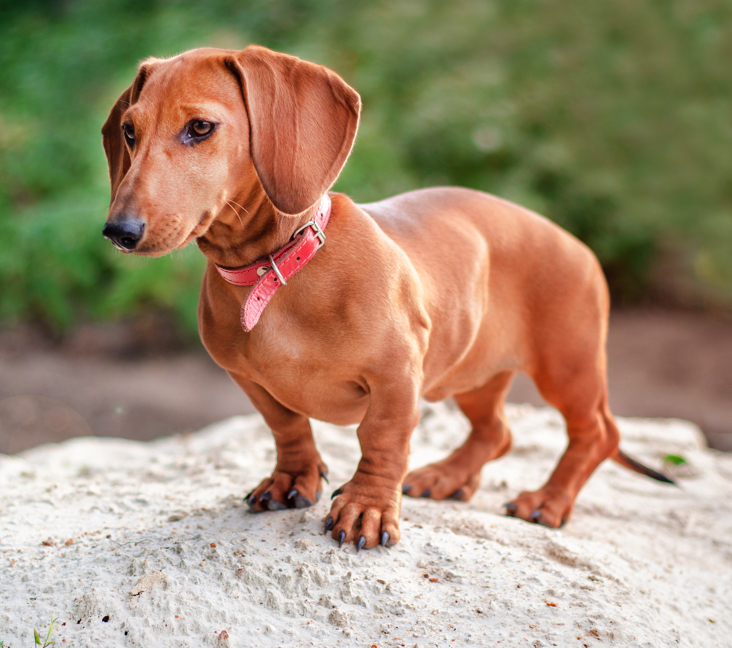
– Age: Puppies need extra time for house-training and socialization; adults may fit busier schedules.
– Health: Ask for vaccination and deworming records and schedule a vet exam soon after adoption.
– Budget: Plan for food, routine vet visits, grooming, and unexpected medical costs.
Care and Training of Mini Dachshund Puppies
A happy Mini Dachshund relies on consistent care. Focus on these basics:
– Nutrition: Offer age-appropriate, balanced meals; avoid overfeeding to protect their long spine.
– Exercise: Two brisk walks and a few play sessions daily keep weight and energy in check.
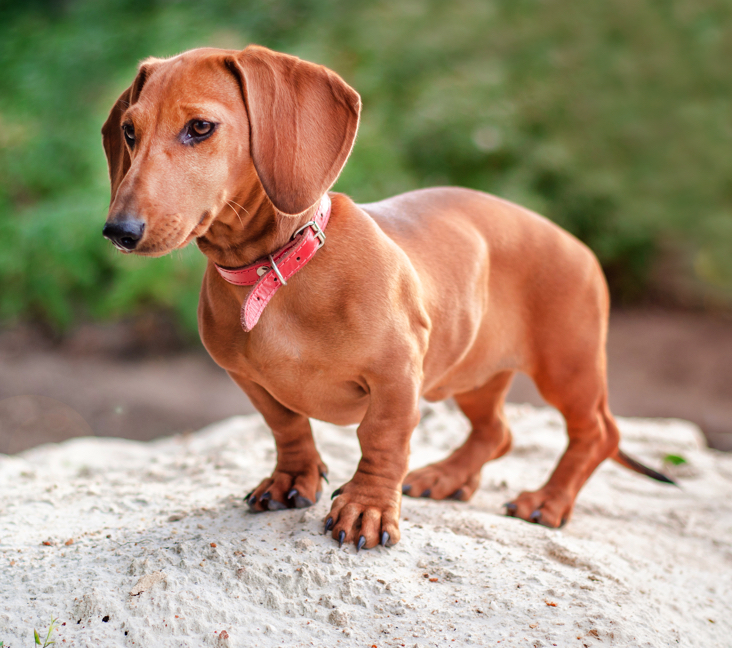
– Training: Begin with short, fun lessons and plenty of rewards; early socialization prevents shyness.
– Grooming: Brush smooth coats weekly, long or wire coats more often; trim nails and clean ears regularly.
Health Concerns
The breed’s long back makes it prone to spinal issues, so keep jumps off furniture to a minimum and maintain a healthy weight. Other concerns can include knee problems and low blood sugar in very young pups. Regular check-ups, dental care, and an appropriate exercise routine go a long way toward prevention.
Conclusion
Mini Dachshund puppies reward dedicated owners with affection, entertainment, and fierce loyalty. By learning about their background, meeting their exercise and training needs, and staying alert to health risks, you can look forward to years of companionship with this endearing little hound.
Responsible ownership—adoption from trustworthy sources, routine veterinary care, and lifelong commitment—helps ensure these charming dogs continue to thrive in loving homes.
Future Research and Recommendations
Ongoing studies into hereditary back problems and optimal nutrition for small breeds will help owners and veterinarians fine-tune care. Sharing reliable information about the breed’s unique physique and spirited personality also prepares future families for the delightful, sometimes stubborn, nature of the Mini Dachshund.

In short, a well-prepared home and informed owner make the Mini Dachshund a wonderful, lifelong friend.