


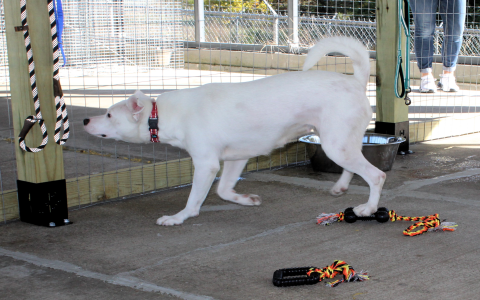

The Plight of Dogs in Shelters: A Thoughtful Overview
Introduction
Across the globe, public animal shelters open their doors to countless dogs who have been lost, left behind, or given up by their families. These facilities, frequently under-resourced and stretched beyond capacity, act as short-term refuges while the animals wait for a second chance. This overview explores why so many dogs arrive, the difficulties they encounter, and practical ways to ease their stay and hasten their journey home.
The Reasons for Dogs in Shelters
Abandonment and Surrender
Owners part with their pets for many reasons: a sudden move, a tight budget, or behavior that feels unmanageable. When other options run out, shelters become the final safety net. Each year, millions of dogs are signed over to public facilities, and although many find new homes, space limitations mean some never leave.
Lost and Stray Dogs
Gate left open, fireworks, or a loud storm—any of these can send a frightened dog running. Good Samaritans and city animal-control teams pick up roaming animals daily and transport them to the nearest shelter in hopes of a quick reunion with their families.
The Challenges Faced by Dogs in Shelters
Overcrowding and Poor Conditions
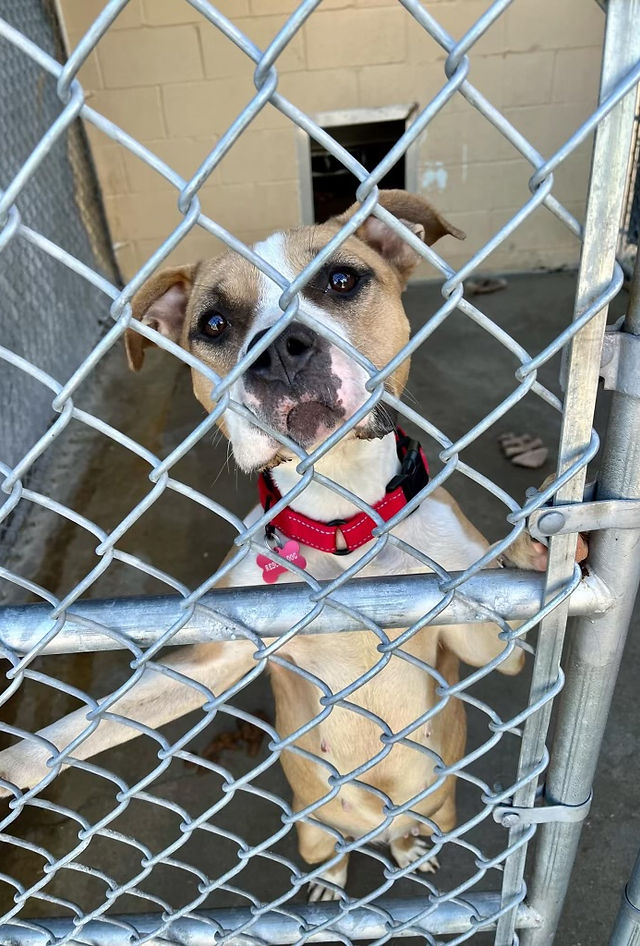
When kennels fill beyond design capacity, dogs must share limited square footage, bedding, and staff attention. Noise, constant turnover, and reduced exercise time raise stress levels, which can surface as withdrawal or agitation—traits that unfortunately make adoption harder.
Euthanasia Rates
Even with expanding adoption events and transport programs, some shelters still face heartbreaking decisions when cages are full and no foster space remains. Reducing these instances remains a top priority for caregivers, volunteers, and policymakers alike.
Potential Solutions
Community Education and Outreach
Teaching prospective owners about lifelong commitment, routine identification, and the benefits of sterilization helps stem the flow of incoming animals. Free or low-cost clinics, school presentations, and social media campaigns all spread the message that prevention is kinder than surrender.
Improving Shelter Conditions
Extra funding, staff training in low-stress handling, and enrichment toys can turn a barren run into a calmer waiting room. Quiet zones, consistent schedules, and volunteer-led playgroups improve mental health and make dogs more appealing to visitors.
Collaboration with Rescue Organizations
Partnerships with foster-based rescues multiply the number of temporary homes available. Transfers to private rescue groups, weekend fostering, and long-distance adoption events move dogs out quickly, freeing kennel space for the next animal in need.
Conclusion
Helping shelter dogs is not a single-step fix; it is a community effort that blends education, better resources, and teamwork among shelters, rescues, and the public. By tackling both the roots of relinquishment and the quality of care inside facilities, we move closer to a time when every dog has a safe place to sleep and a family to call its own.
References
– National animal-welfare organizations, peer-reviewed veterinary journals, and shelter-operation best-practice guides provided the background for this summary.