



Best Cat Food Guide: How to Pick the Ideal Diet for Your Cat
Introduction
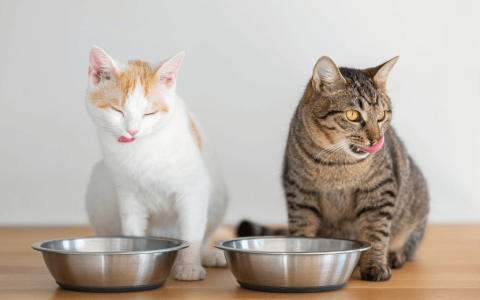
Cats thrive when their meals supply complete nutrition, and the right recipe can boost energy, coat quality, and overall vitality. Shelves are packed with choices, so this guide outlines key ideas and popular diets to help you narrow the field.
Why Balance Matters
Cats need mostly animal protein, but they also benefit from measured fat, vitamins, minerals, and a modest amount of carbohydrate. A balanced plate lowers the risk of weight gain, urinary trouble, and other common issues.
What to Look For
1. Life Stage
Kittens, adults, and seniors each need tailored calorie density, protein level, and nutrient ratios.
2. Special Health Notes
Some cats require extra support for kidneys, joints, or digestion; your vet can confirm whether a therapeutic formula is wise.
3. Ingredient Quality
Named meats or fish at the top of the list, clear fat sources, and added taurine are good signs. Avoid vague terms like “meat by-product” if you want maximum transparency.
4. Maker Reliability
Favor companies that publish complete nutrient profiles, run regular safety tests, and employ certified nutritionists.
Well-Received Formulas
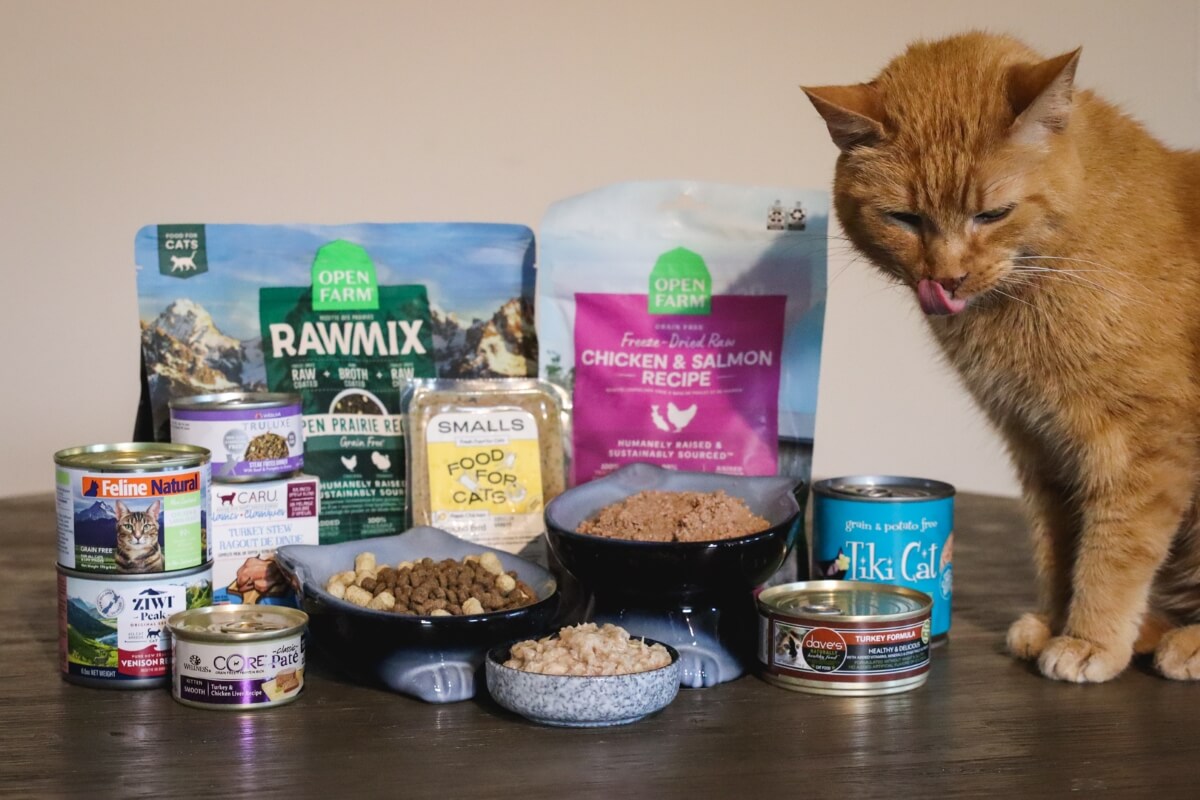
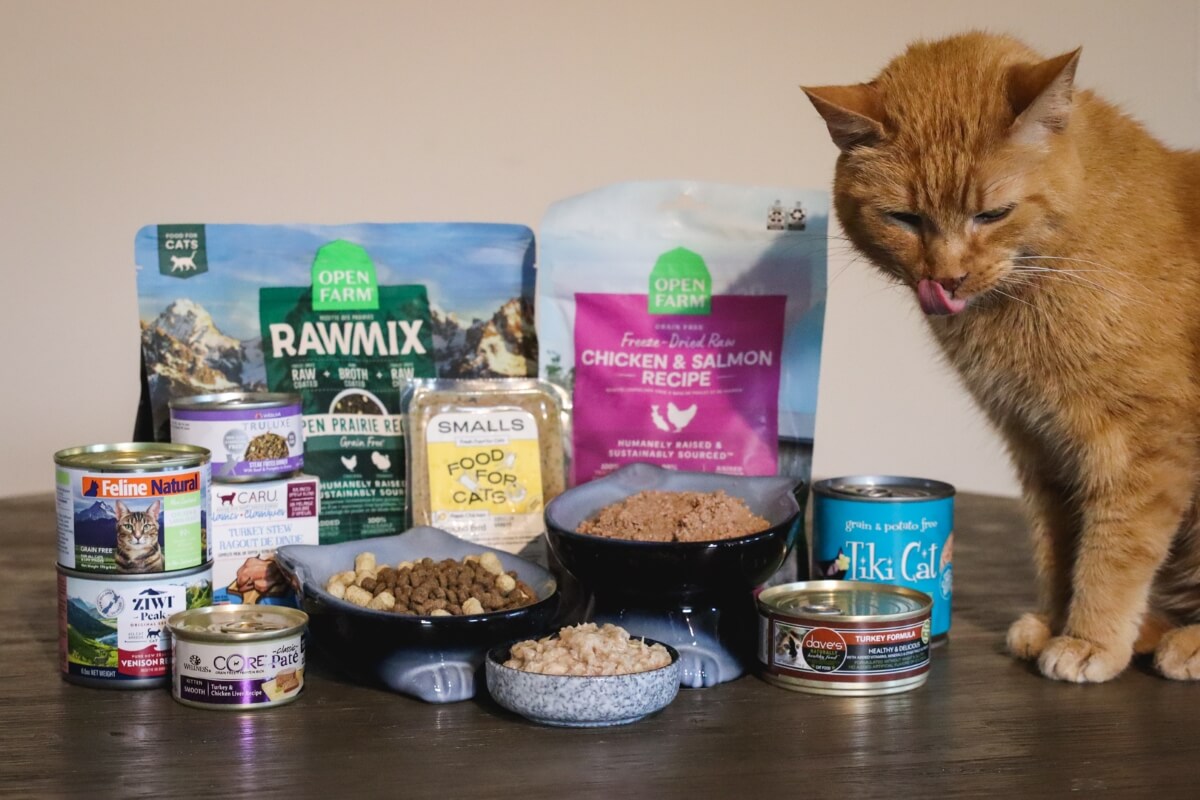
Below are widely available options grouped by typical need; always transition gradually and watch for individual reactions.
1. Growth Diets for Kittens
– High-calorie chicken-based kibble enriched with DHA for brain and eye support.
– Tender morsels in gravy designed for tiny mouths and rapid growth spurts.
2. Everyday Adult Maintenance
– Poultry-centric dry food with added antioxidants for immune health.
– Mixed-texture recipe combining crunchy bites and shredded pieces to keep mealtime interesting.
3. Senior Support (7+ Years)
– Gentle stew with lean protein, omega-3s, and controlled minerals for aging kidneys.
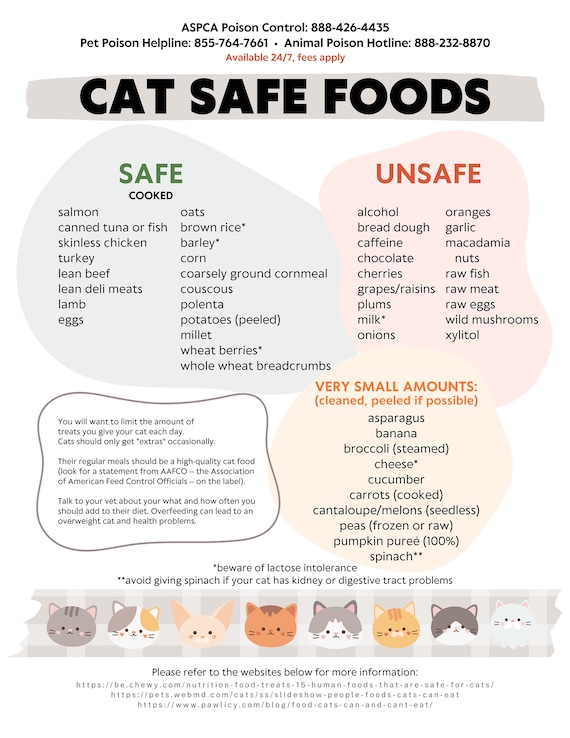
– Kibble shaped for easier pick-up, plus glucosamine helpers for stiff joints.
4. Targeted Care Recipes
– Urinary-care formula that promotes dilute urine and balanced minerals.
– Limited-ingredient duck or venison diet for cats prone to itchy skin or tummy upsets.
5. Grain-Free & Allergy-Friendly Lines
– Freeze-dried-coated kibble featuring 80 % animal ingredients and no corn, wheat, or soy.
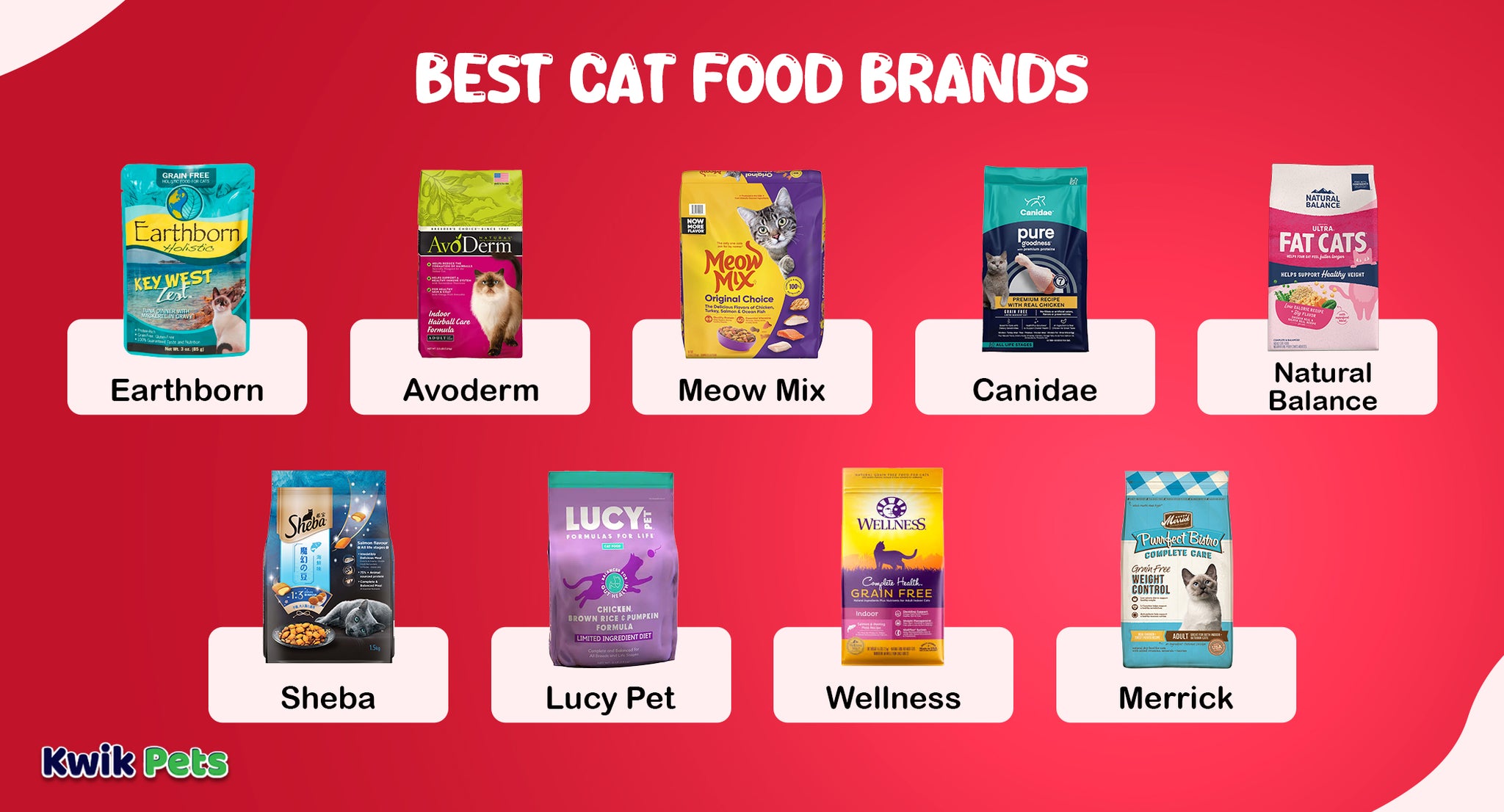
– Single-protein canned food paired with pumpkin for smooth digestion.
Final Thoughts
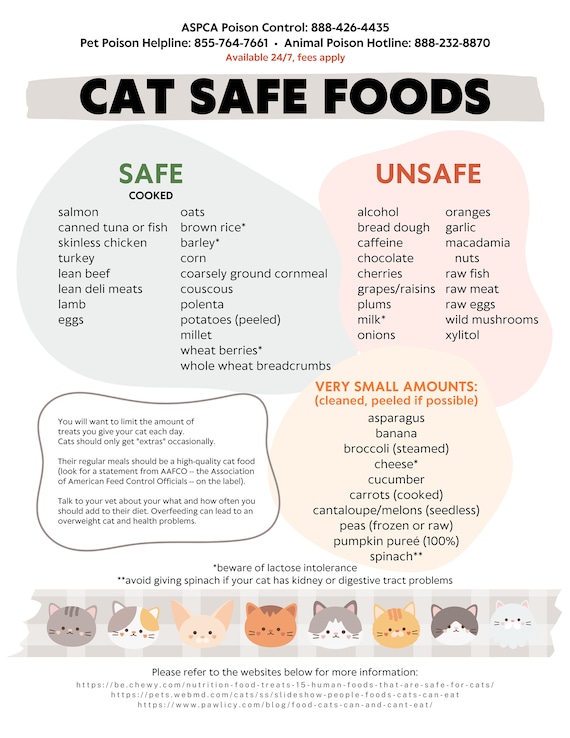
Matching food to age, activity, and any medical advice is the simplest path to a healthy, happy cat. Start with reputable brands, read labels carefully, and adjust portions to keep weight ideal. When in doubt, ask your veterinarian for a personalized recommendation.