


Title: Finding Safe Havens for Dogs in Need: Where to Go and How to Help
Introduction:
Across the globe, countless dogs find themselves without a home or the care they deserve. Addressing this situation requires practical guidance and community effort. This article outlines reliable places to bring a dog you can no longer keep, highlights common obstacles, and suggests simple ways everyone can improve life for these animals. By knowing where to turn, we can reduce the number of dogs living on the streets and give more of them a second chance.
Understanding the Problem of Unwanted Dogs
Dogs lose their homes for many reasons: unexpected litters, changes in family circumstances, or simply getting lost. Once on their own, they struggle to find food, clean water, and medical attention. Recognizing why dogs are left alone is the first step toward lasting answers.
Options for Taking Unwanted Dogs
1. Animal Shelters:
Local shelters accept dogs that need a safe place to stay. Staff provide meals, basic veterinary care, and daily exercise while searching for new, responsible guardians. Many shelters also host weekend adoption events to match dogs with loving families.

2. Rescue Organizations:
Volunteer-run rescues often specialize in specific breeds or urgent medical cases. They place dogs in private kennels or foster homes, fund necessary treatments, and screen potential adopters carefully. Most groups welcome donations of food, bedding, or time.
3. Community Programs:
City or county animal-services departments operate holding facilities and field teams that pick up roaming dogs. After a mandatory stay to allow owners to reclaim their pets, the agencies work with rescue partners to transfer unclaimed animals into adoption programs.
4. Foster Care:
Short-term foster families offer living-room space, gentle guidance, and socialization. By taking even one dog out of an overcrowded kennel, fosters free up room for newly arrived animals and provide valuable insights that help shelters find the perfect permanent home.

Challenges and Considerations
While options exist, several hurdles remain:
1. Overpopulation:
Facilities fill up quickly during breeding season, forcing tough decisions about space and resources.
2. Limited Resources:
Budgets for food, vaccines, and staff are often tight; community generosity determines how much care can be given.
3. Legal and Policy Issues:
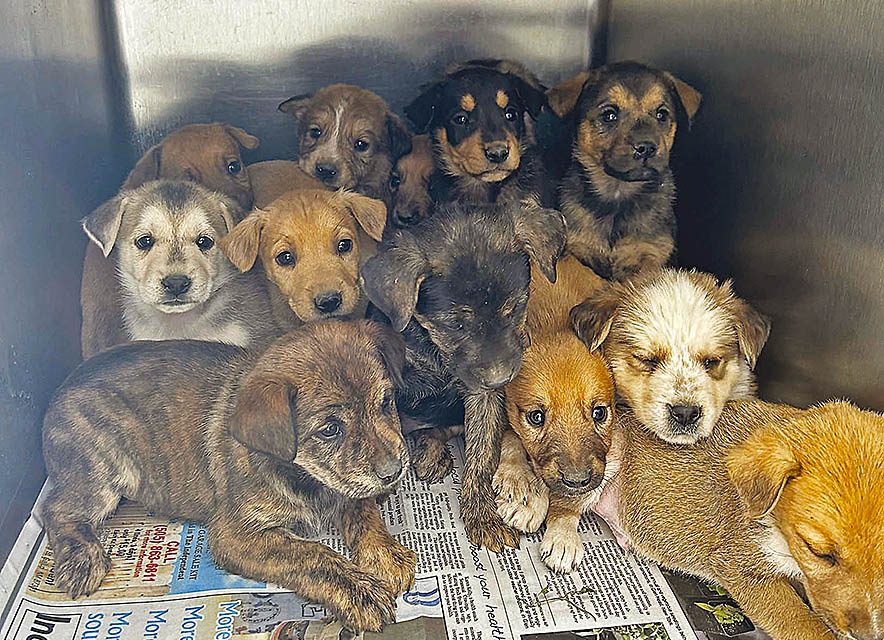
Inconsistent rules between regions can slow transfers or delay urgent medical care.
4. Public Awareness and Education:
Many people still underestimate the commitment a dog requires. Clear, friendly education about training, exercise, and lifelong responsibility prevents future surrenders.
How to Help
1. Support Animal Shelters and Rescue Organizations:
Offer a few hours a week to walk dogs, share social-media posts, or organize a supply drive; small actions add up fast.
2. Spay and Neuter Your Pets:
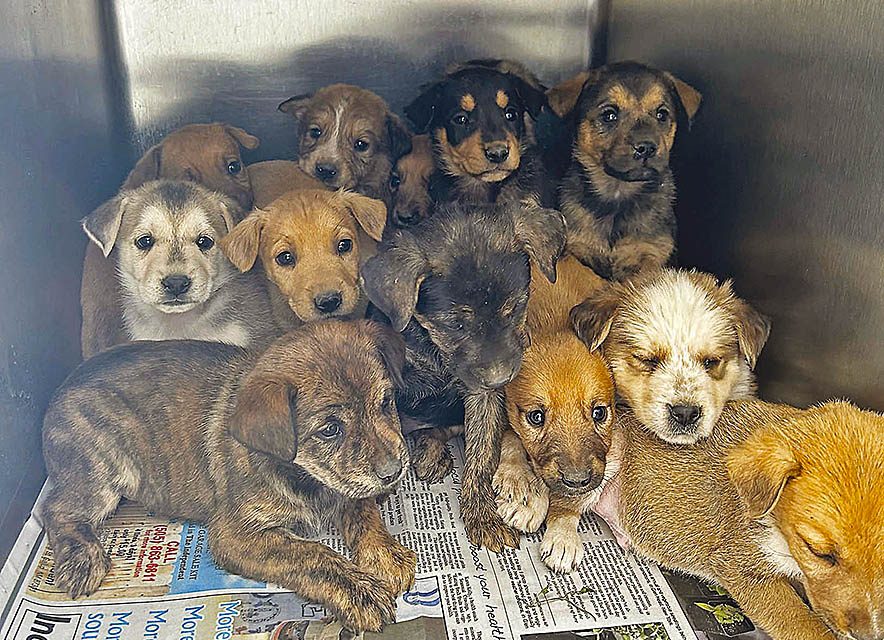
A single routine surgery prevents years of potential litters and reduces strain on local facilities.
3. Advocate for Animal Rights:
Contact local representatives about stronger identification and humane-care standards; polite, persistent voices create change.
4. Foster or Adopt a Dog:
If your lifestyle allows, open your home. Even a few weeks of foster care can transform a frightened dog into a confident, adoptable companion.
Conclusion:
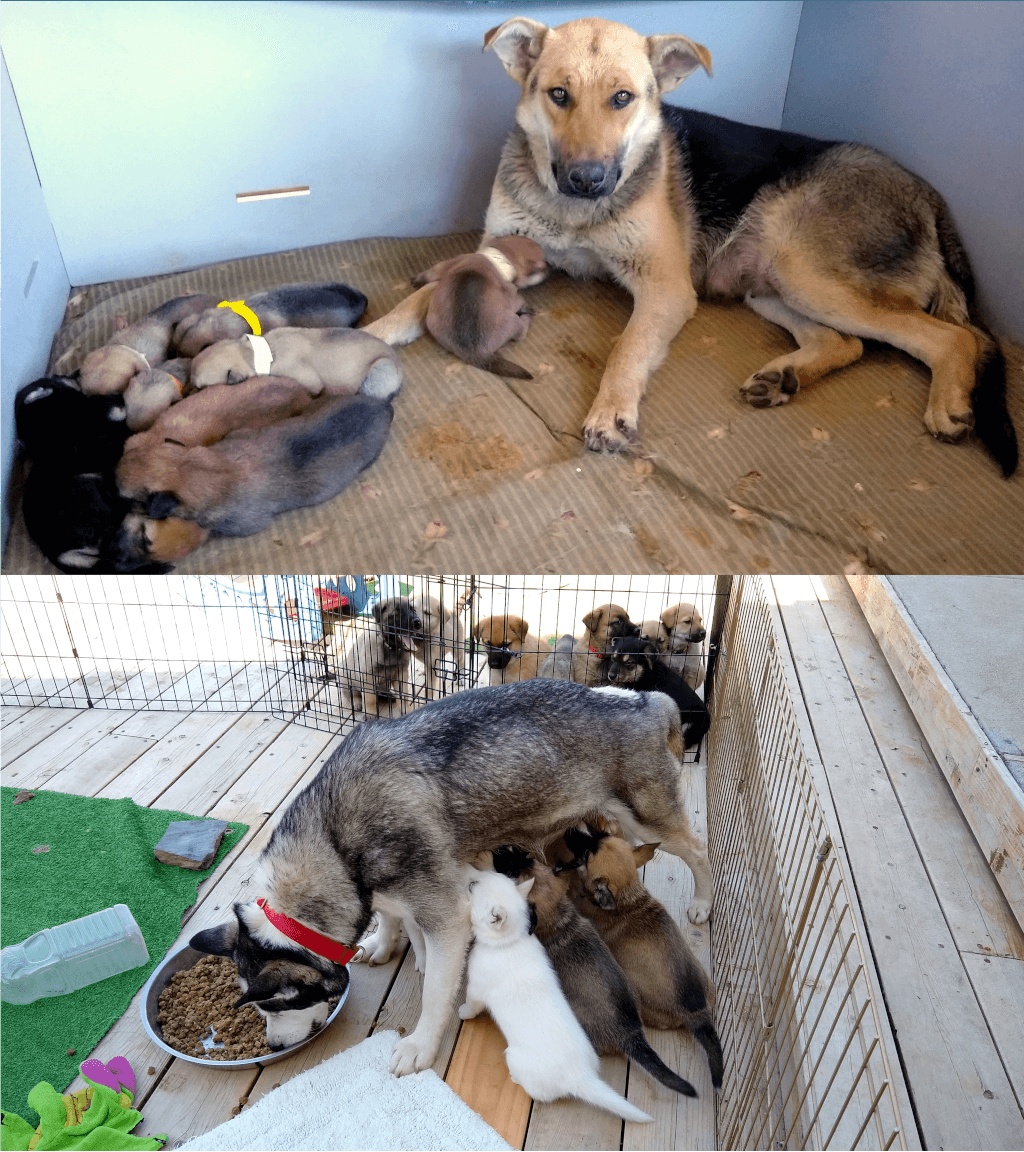
Knowing where to bring a dog you cannot keep is only part of the solution; ongoing community support completes it. By choosing shelters, rescues, or foster networks—and by preventing future litters—we create safer neighborhoods and happier lives for dogs and people alike. Every small step, from sharing a flyer to donating a bag of food, moves us closer to a world where no dog is left behind.