




Is Canine Declawing an Option? A Balanced Overview
Introduction
Many owners wonder whether declawing is available for dogs. Medically termed onychectomy, the surgery removes the claw and the terminal toe bone. This overview explores why the topic arises, how the operation is done, possible pros and cons, and the ethical debate. After reading, you should have a clearer picture of the factors involved and be better prepared to discuss choices with your veterinarian.
Reasons the Question Comes Up
Scratching furniture, flooring, or people is the most common trigger. Dogs also use claws for traction, digging, and play, yet occasional rough behavior or household damage prompts some owners to ask about removal. Additional motivations include:
– Chronic paw or nail disease that makes claw retention painful.
– Repeated self-injury caused by excessive scratching.
– Owner concern about accidental scratches to children or frail family members.
The Surgical Process
Declawing is performed under general anesthesia. Each affected toe is dissected at the last joint, removing both claw and bone. Recovery time depends on age, weight, and general health. The operation can be limited to the front feet or done on all four; many surgeons recommend doing both front paws together to keep gait symmetrical.
Potential Benefits and Drawbacks
Every surgery involves trade-offs. Weighing them carefully is essential.
Benefits
– Less unintentional scratching of people or objects.
– Lower risk of nail tears or infections if claws were chronically problematic.
– Possible reduction in pain for dogs with severe nail-bed disease.
Risks
– Post-operative pain and the need for strong analgesics.

– Surgical-site swelling or infection.
– Altered gait that, over time, may stress joints.
– Behavioral side effects such as reluctance to play or increased irritability while healing.
Ethical Perspectives
Opinions differ on whether declawing is acceptable. Critics view it as an anatomical alteration that removes a functional body part, while supporters see it as a last-resort medical intervention when other measures fail.
Welfare Viewpoint

Advocates for humane treatment stress that training, environmental management, and medical therapy should be exhausted before surgery. They note that declawing does not teach a dog appropriate behavior; it only removes one physical outlet.
Clinical Viewpoint
Many veterinarians will consider the procedure only after documented attempts at behavior modification, nail trims, protective nail caps, or treatment of underlying disease. When elected for clear medical reasons and paired with adequate pain control, they regard it as a legitimate, though infrequent, therapy.
Non-Surgical Alternatives
Before opting for surgery, owners can try several strategies:
– Positive-reinforcement training to redirect scratching onto suitable surfaces.
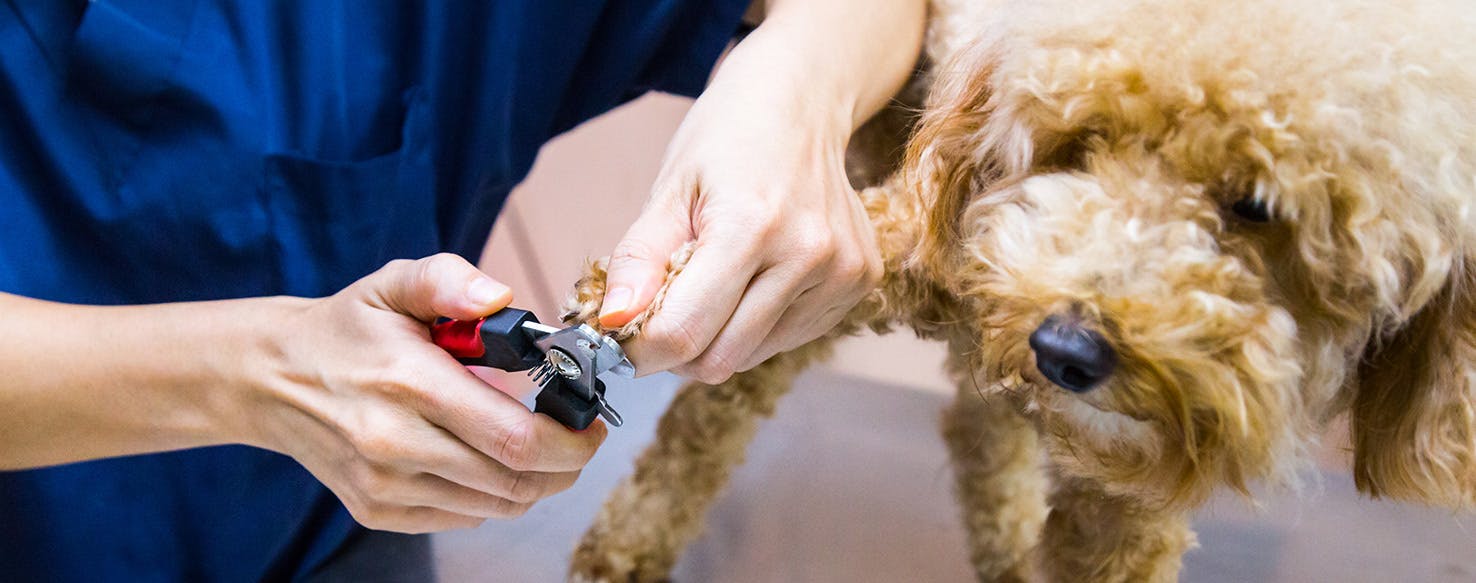
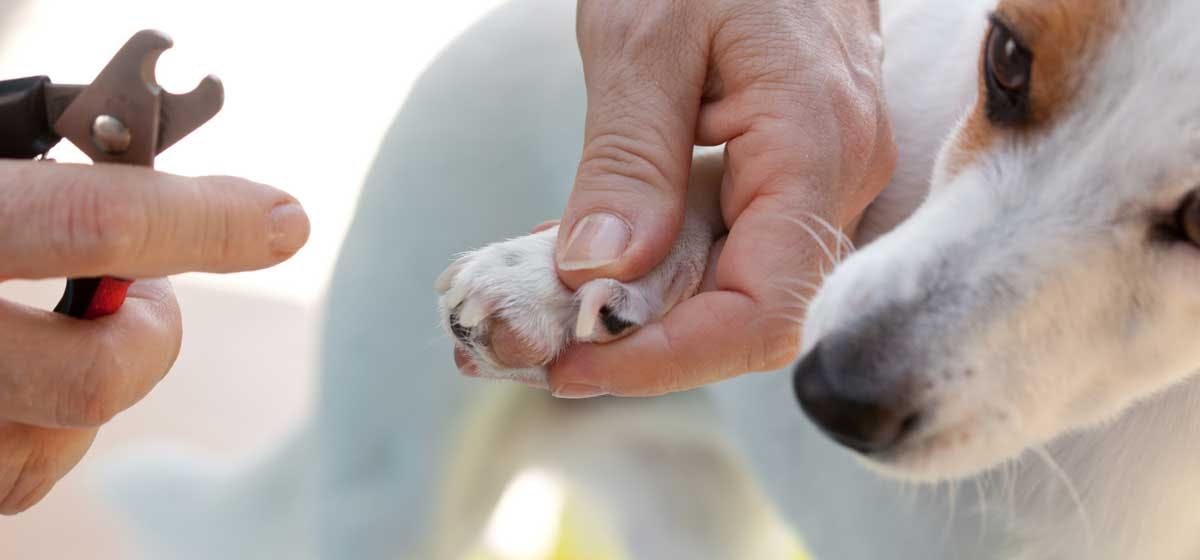
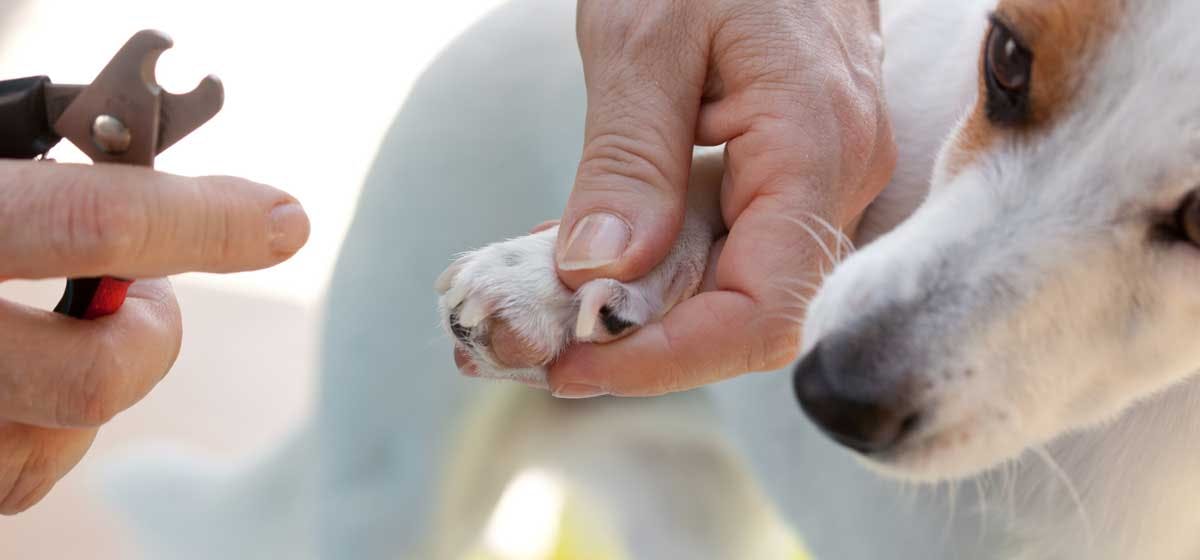
– Frequent nail trims or blunt nail caps to reduce damage.
– Increased exercise and enrichment to lower anxiety-driven scratching.
– Targeted medical therapy if infection, allergy, or arthritis is present.
Conclusion
There is no universal answer to whether a dog should be declawed. The choice hinges on medical need, behavioral context, and ethical comfort level. Discussing all options with a trusted veterinarian, prioritizing the dog’s long-term comfort, and exhausting gentler remedies first will guide owners toward the most responsible decision for their pet’s well-being.