




Best Puppy for Cats: A Comprehensive Guide
Introduction
Choosing a puppy that will get along with your cat is an important step toward a peaceful multi-pet home. While cats and dogs have different instincts, many breeds adapt well to feline friends when matched thoughtfully. This guide outlines key traits to look for and highlights several breeds with a reputation for cat-friendly temperaments.
Factors to Consider When Choosing a Puppy for Cats
Temperament
A calm, tolerant puppy is more likely to respect a cat’s space. Breeds that are naturally gentle and curious—rather than territorial or overly excitable—tend to integrate more smoothly with cats.

Energy Levels
Balance is essential. A boisterous puppy may stress a quiet cat, while a very laid-back pup could frustrate an energetic kitten. Aim for moderate activity levels that allow both pets to coexist without constant tension.
Size
Dogs that are roughly the same size as the household cat often inspire less fear. Extremely large puppies can appear intimidating, whereas toy-sized pups might be swatted if the cat feels threatened.
Best Puppy Breeds for Cats
1. Golden Retriever

Goldens are famously patient and eager to please. Their steady temperament and moderate exercise needs make them reliable companions for cats who enjoy quiet affection as well as occasional play.
2. Labrador Retriever
Labs combine friendliness with intelligence. Provided they receive daily walks and mental games, they usually channel their enthusiasm into gentle curiosity rather than chasing the cat.
3. Beagle
Beagles are sociable pack animals that often treat cats as part of the family. Their compact size and cheerful outlook reduce the risk of accidental injury during shared activities.
4. Cocker Spaniel
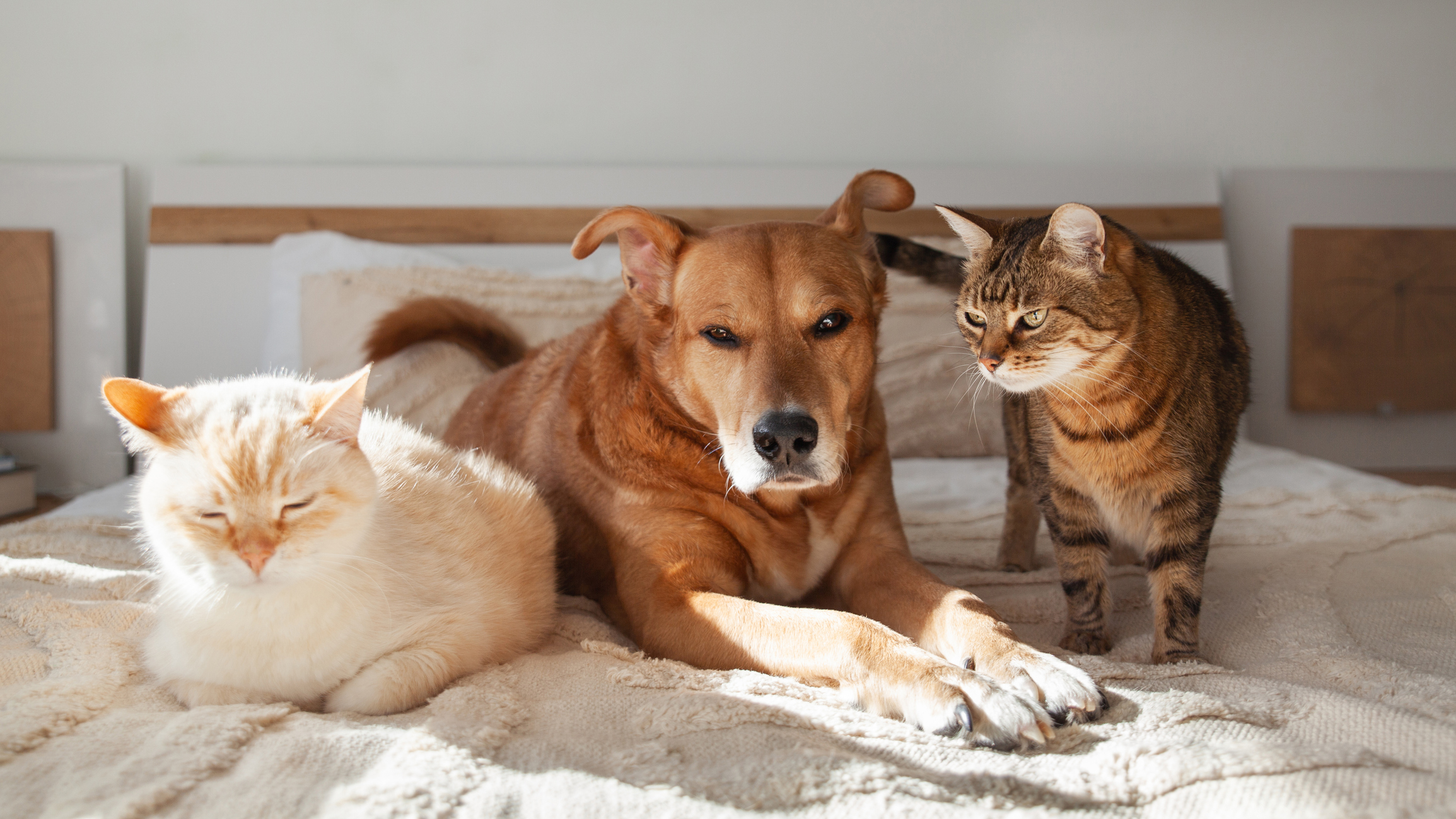
Cocker Spaniels thrive on companionship and typically accept cats as housemates. Their silky coats and moderate energy encourage calm cuddles on the sofa instead of high-speed chases.
5. Bulldog
Bulldogs prefer lounging to leaping, which suits many cats perfectly. Their sturdy, low-center-of-gravity build means they are less likely to bowl over a feline friend during polite greetings.
Conclusion
Successful cat-and-dog households start with the right puppy personality. By prioritizing gentle temperaments, balanced energy, and compatible size, owners can foster friendships that last a lifetime. The breeds above offer excellent starting points for anyone hoping to expand their pet family peacefully.
Revisiting the Purpose and Importance
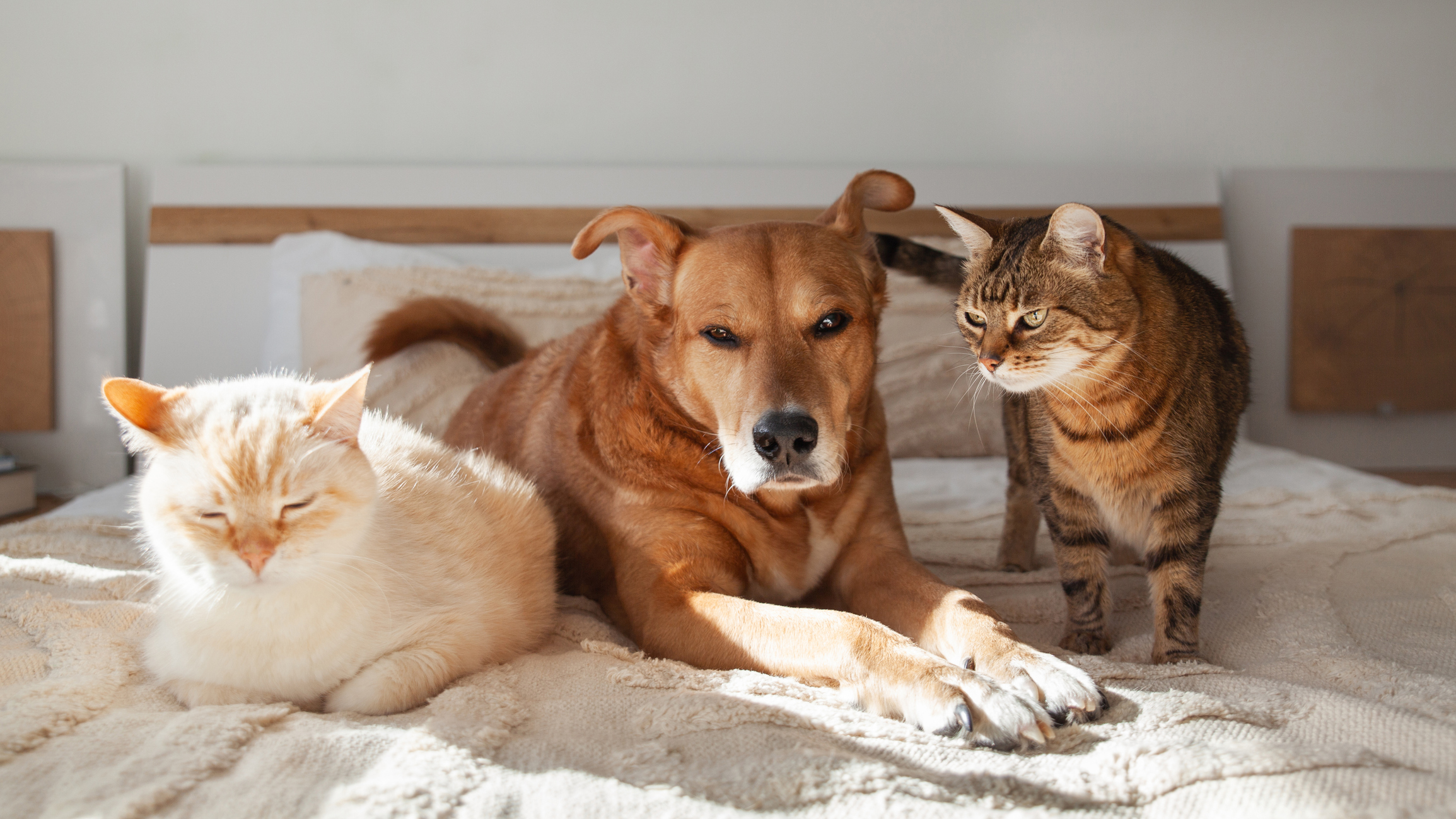
This guide aims to simplify the selection process and reduce stress for both species. A well-matched pair enjoys richer social lives, while owners benefit from fewer behavioral issues and a happier home atmosphere.
Recommendations and Future Research
Introduce pets slowly, using baby gates and scent swapping before face-to-face meetings. Reward calm behavior with treats and praise. If challenges arise, seek guidance from certified trainers or veterinary behaviorists. Continued studies on early socialization and long-term cohabitation will further refine best practices for multi-species families.