From muddy garden paths to snowy sidewalks, the faint impressions left by cats and dogs often go unnoticed. Yet each print carries quiet clues about the animal that passed by—its size, mood, and even the pace of its journey. This overview explores why these simple marks matter to guardians, scientists, and anyone curious about the secret lives of companion animals.
Understanding the Basics of Paw Prints
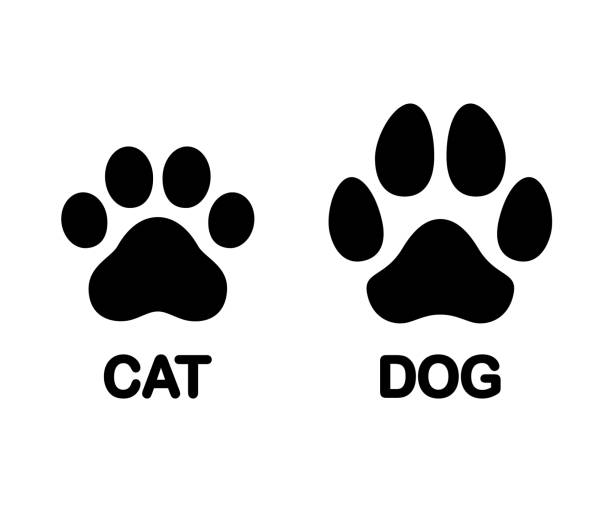
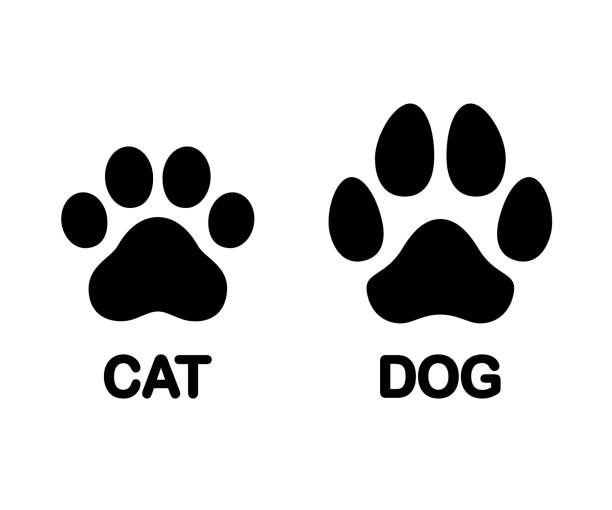
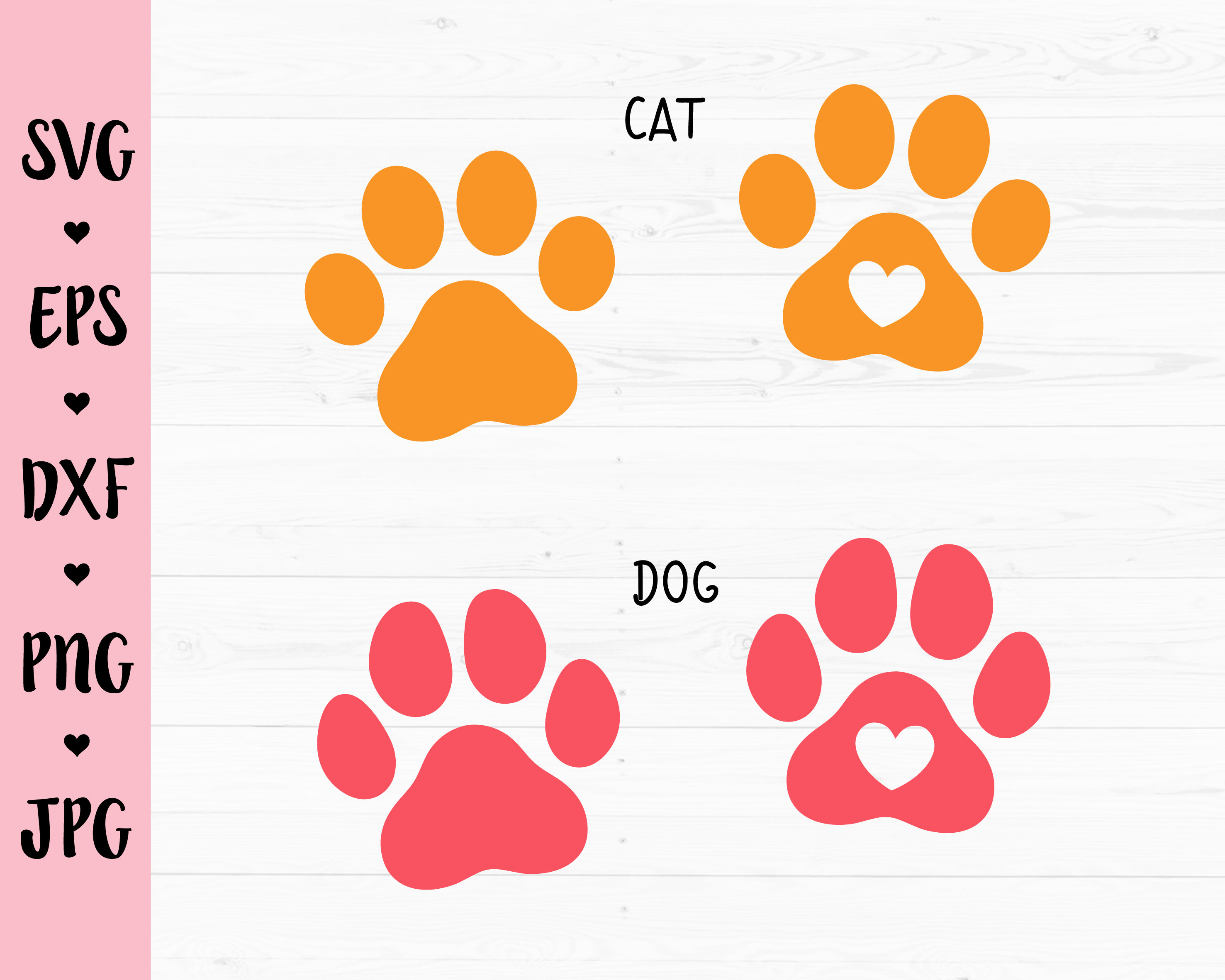
A paw print is more than an outline in the dirt. The central pad cushions every step, toe pads add stability, and claws may register as tiny dots ahead of the toes. Together they create a signature that changes with breed, age, and terrain. A retriever’s track spreads wider than a terrier’s, while a feline impression stays neat and compact, its retractable claws usually hidden.
Subtle differences—pad symmetry, toe splay, claw marks—let practiced eyes distinguish playful bounds from cautious prowls, all from a single pressed layer of soil or snow.
Animal Behavior and Communication
Paws are portable message boards. When dogs scrape earth after eliminating or cats knead a favorite blanket, scent glands between the pads release invisible notes readable by others of their kind. These “posted” signals reduce direct conflict by announcing “I was here” long after the sender has left.
Observing the spacing and depth of prints around feeding stations or garden borders can reveal social hierarchies and preferred routes without ever seeing the animals themselves.
Forensic Science and Crime Scene Investigation
At scenes where pets or strays wander, paw prints can corroborate timelines and movements. Investigators photograph, cast, or laser-scan impressions to confirm whether an animal entered or exited at a critical moment. Matching unique wear patterns or claw nicks to a known companion animal may support witness statements or refute alibis.
Because prints preserve direction and speed, they occasionally reveal hurried escapes or leisurely approaches, adding context to human evidence.
Environmental Studies and Conservation
Field biologists use track surveys to estimate urban wildlife density without disturbing habitats. A line of canine-shaped prints along a riverbank might indicate coyote passage, while smaller paired feline marks suggest roaming domestic cats. Recording these traces over seasons helps map corridors, identify road-crossing hotspots, and guide underpass placement.
Even backyard naturalists contribute by uploading dated photos of prints to community science platforms, gradually expanding knowledge of how pets and native species share space.
Conclusion
Paw prints turn every outing into a quiet autobiography. They chronicle health, mood, and social standing while assisting investigators and conservationists alike. Recognizing and respecting these understated signatures deepens our connection to the animals that share our streets, parks, and homes.
Continued curiosity—whether through casual observation or formal study—promotes coexistence and enriches daily life with small moments of discovery.
Recommendations and Future Research Directions
To expand what paw prints can teach us, several avenues deserve attention:
1. Refine smartphone apps that capture 3-D images of tracks, allowing instant breed or species suggestions.
2. Compare thousands of prints from mixed-breed dogs and random-bred cats to create open-access shape libraries.
3. Examine how indoor surfaces (carpet, tile) alter print morphology, improving veterinary gait analysis.
4. Integrate print surveys with GPS collar data to test non-invasive monitoring as an alternative to continuous tagging.
Pursuing these directions will keep the humble paw print at the forefront of ethical, low-impact animal research.