



The Enigmatic World of Cats and Parrots: A Comparative Study
Introduction
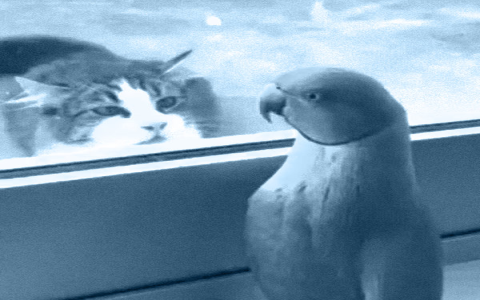
The animal kingdom overflows with variety, and among its most captivating members are cats and parrots. Felines impress with quiet agility and self-contained habits, while parrots dazzle through bright plumage, quick minds, and surprising vocal skills. This overview examines how the two species differ in behavior, cognition, and the places they occupy in everyday human life.
The Independent Cat
Physical Characteristics
Cats are compact mammals built for stealth. Flexible spines, keen ears, and sensitive whiskers allow fluid movement, precise balance, and accurate assessment of surroundings. Retractable claws and powerful hind legs allow impressive leaps and agile climbs.
Behavioral Traits
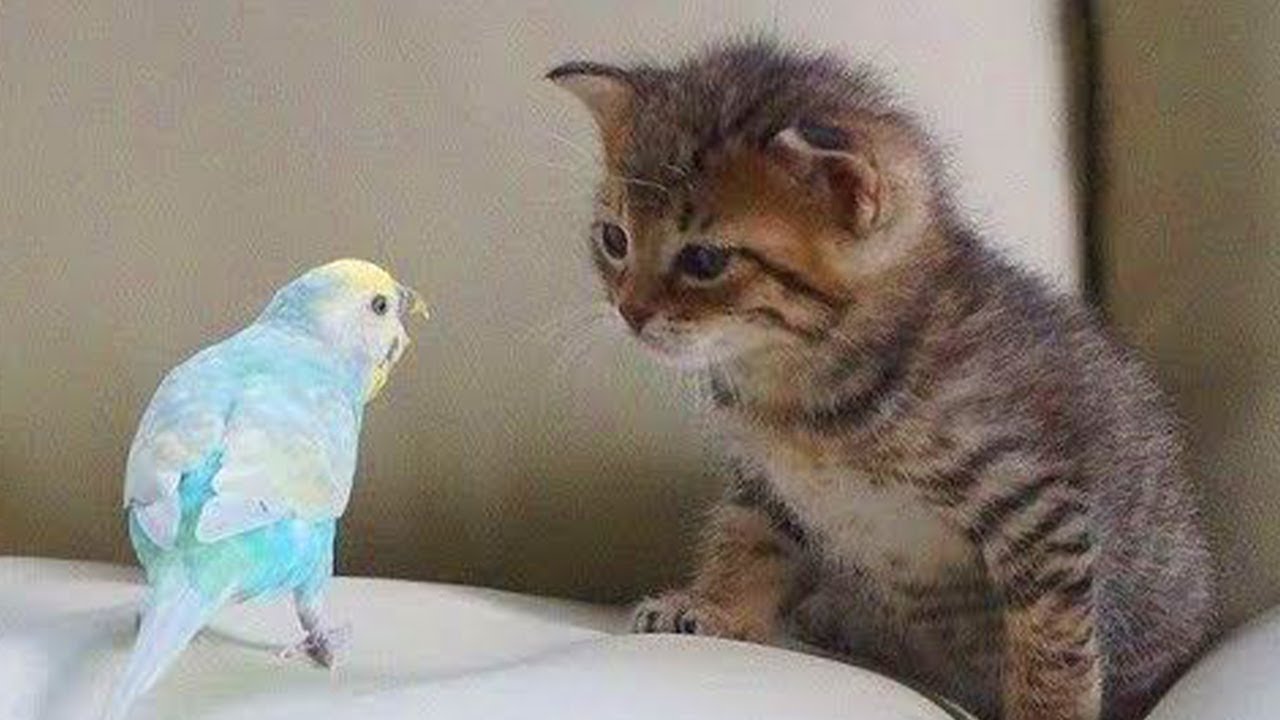
Cats typically set their own schedules, choosing when to seek attention or solitude. Natural hunters, they rely on patient stalking and sharp senses rather than group tactics. Play often mirrors hunting sequences, supporting both exercise and instinct refinement.
Domestication and Human Interaction
Although historically valued for controlling pests, cats today are cherished companions. Their generally calm presence and moderate care requirements suit many lifestyles. Time shared with a relaxed feline can ease tension and offer quiet comfort.
The Intelligent Parrot
Physical Characteristics
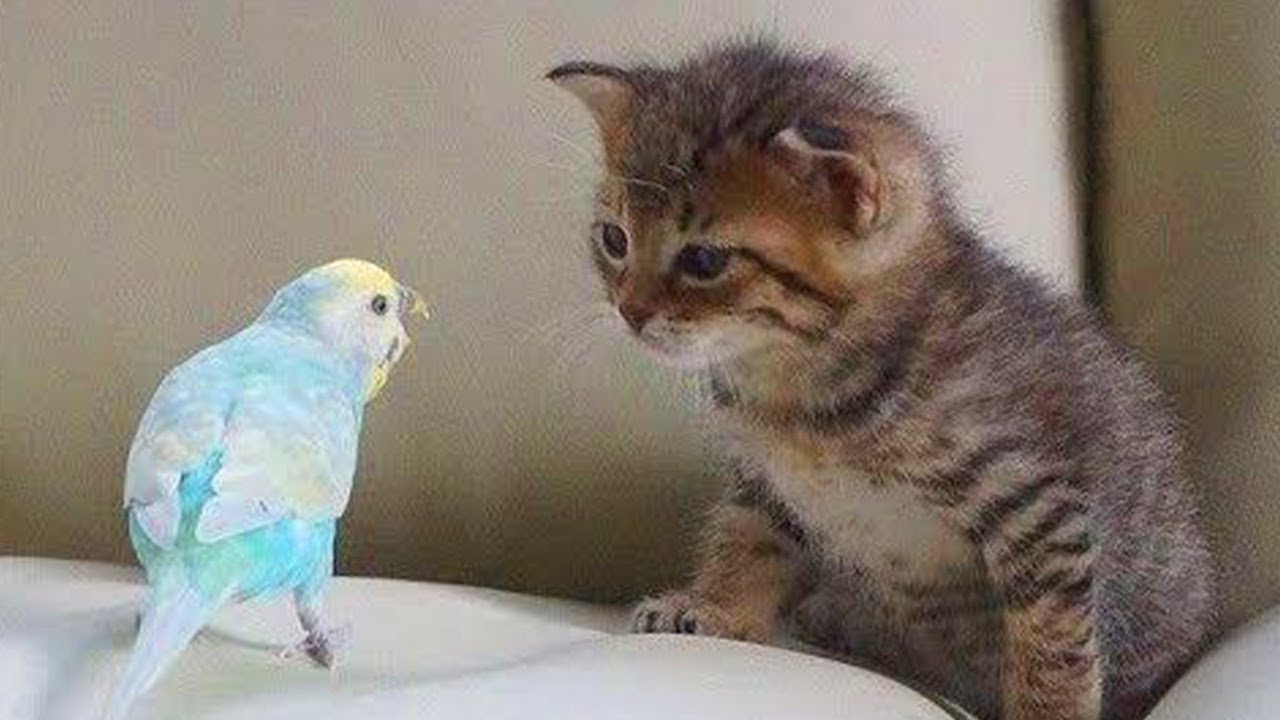
Parrots sport strong, curved beaks designed for cracking tough seeds and manipulating objects. Bright feathers vary widely across species, as do body sizes and tail lengths. Zygodactyl feet—two toes forward, two back—provide a secure grip on branches or toys.
Cognitive Abilities
Parrots demonstrate advanced problem-solving, tool use, and vocal learning. Many species can associate words with contexts, count small quantities, and recognize themselves in mirrors. A relatively large brain for their body size supports these talents.
Social Behavior
In the wild, parrots live in close-knit groups, constantly exchanging calls that strengthen bonds and share information. Captive birds often treat human household members as flock-mates, seeking interaction, vocal duets, and cooperative play.
Comparative Analysis
Cognitive Abilities
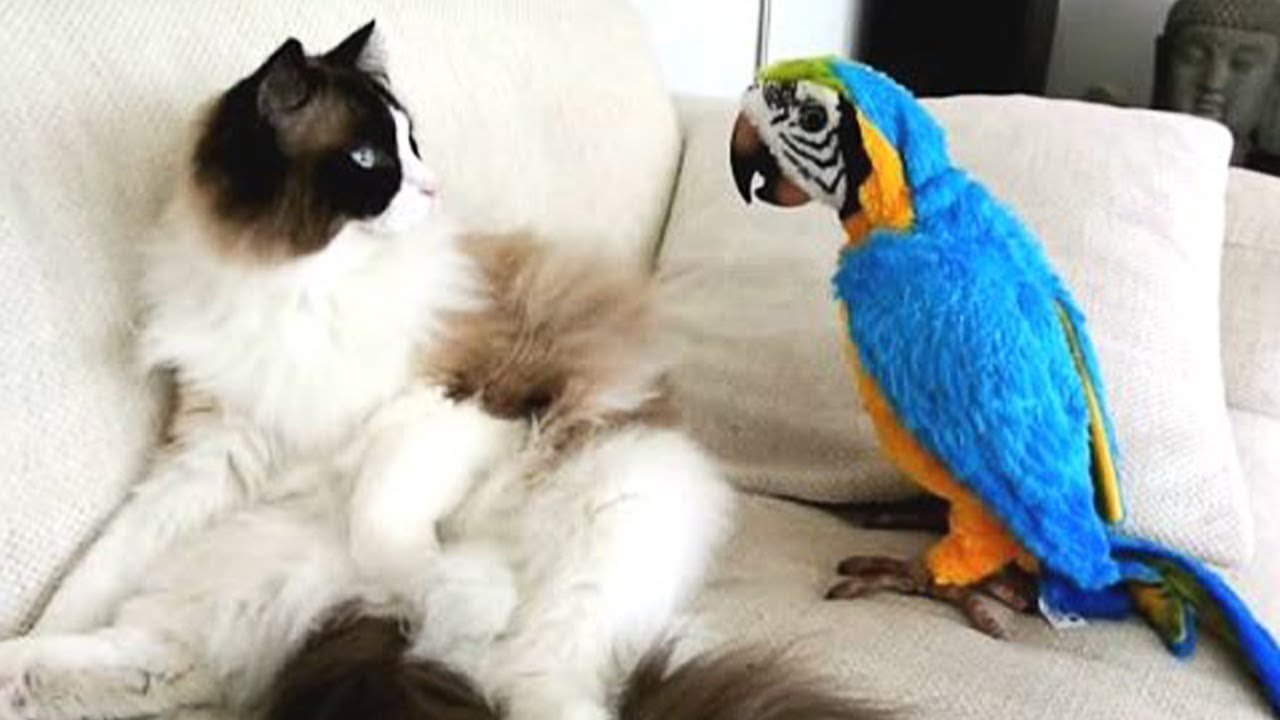
Cats excel in sensory mapping and rapid reflexes suited to solitary hunting. Parrots stand out for memory, vocal flexibility, and social reasoning. Each species channels intelligence into the ecological niche it occupies.
Social Interactions
Cats may enjoy affection yet remain content alone for hours. Parrots thrive on steady companionship and can develop stress-related behaviors if left in isolation. Communication style follows suit: subtle body language for cats, exuberant sound combinations for parrots.
Domestication and Human Interaction
People welcome cats for quiet camaraderie and low-space requirements. Parrots attract owners who value lively conversation, colorful presence, and interactive play. Both relationships hinge on understanding species-specific needs and providing appropriate enrichment.
Conclusion
Cats and parrots offer contrasting yet equally rewarding experiences. One provides serene independence; the other, animated sociability. Recognizing these differences allows caregivers to meet each animal on its own terms, fostering mutual well-being and lasting affection.
Future Research Directions
Investigations could explore how environmental complexity shapes learning in each species, or how housing styles influence stress and longevity. Comparative studies on enrichment tools, training methods, and cross-species communication may further improve welfare guidelines for companion animals.