



The Role of Dogs and Pets in Human Society
Introduction
Dogs and pets have shared our homes and hearts for millennia, gradually shifting from wild counterparts to trusted companions. Along the way, they have become sources of comfort, friendship, and practical help. This article surveys the many ways these animals influence our daily routines, emotional balance, and social lives, drawing on widely reported observations and expert commentary to highlight why they remain so important.
Emotional Support and Mental Health
Emotional Support
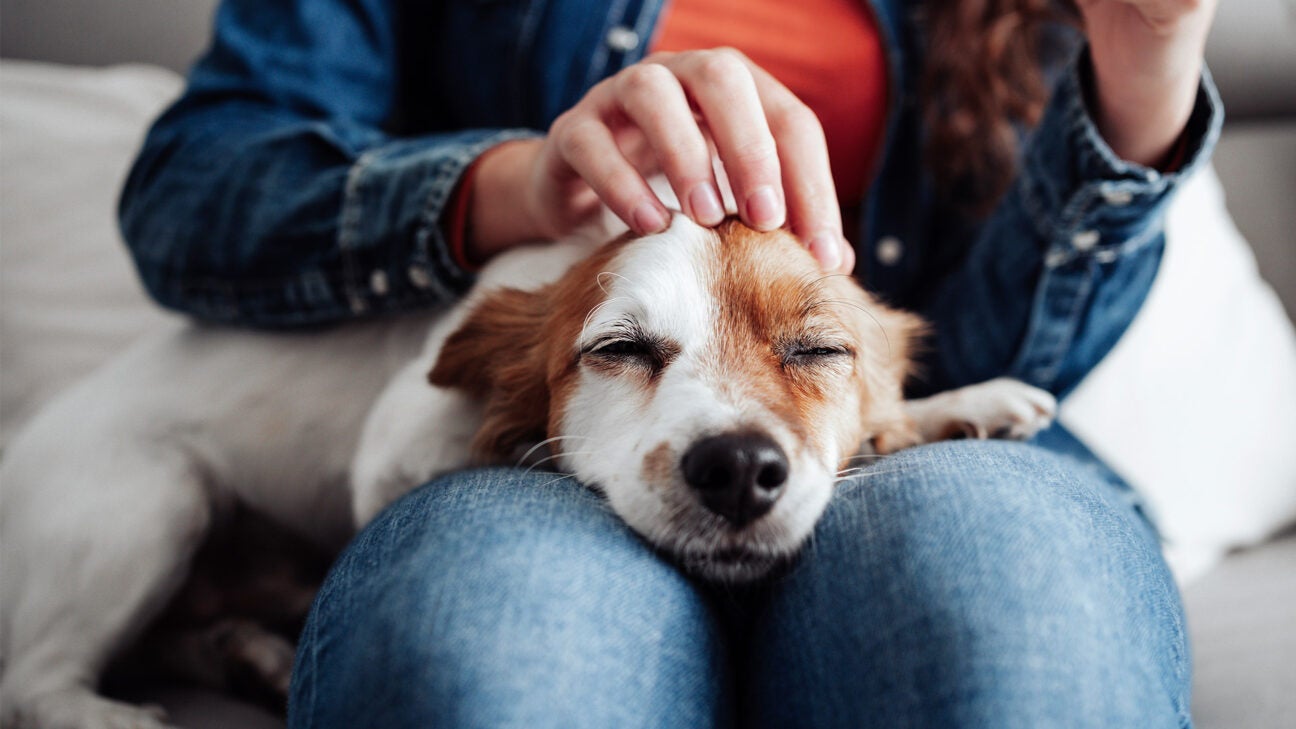
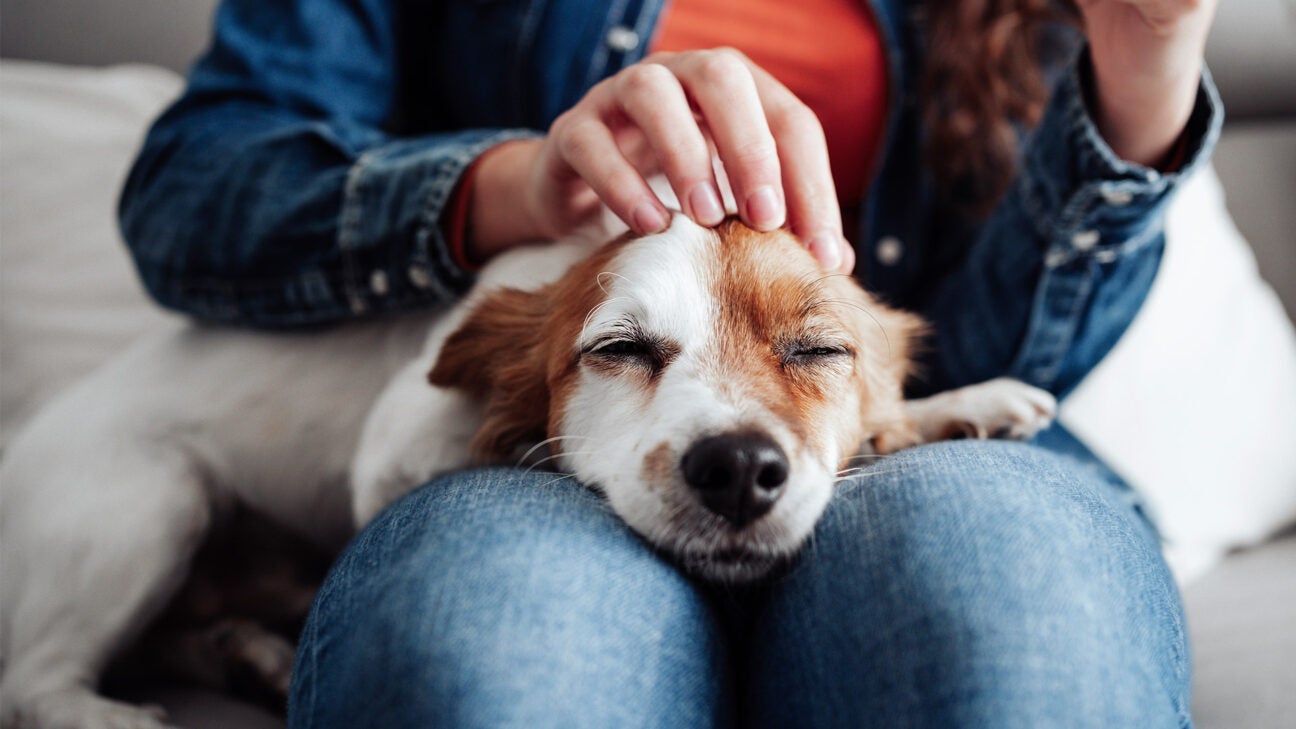
Perhaps the most celebrated gift pets offer is steady emotional support. Interacting with a friendly animal can lower stress hormones and lift mood. Dogs, in particular, often mirror human feelings, offering quiet companionship during tense moments. Owners frequently report feeling calmer and more optimistic after spending time with their animals.
Mental Health Benefits
Beyond casual comfort, animals play a structured role in mental-wellness programs. Canine-assisted activities are now common in clinics, schools, and community centers, where gentle, well-trained dogs help ease worry, sadness, or trauma-related symptoms. A quiet head on a lap or a wagging tail at the door can break cycles of negative thought and replace them with moments of connection and safety.
Social Interactions and Relationships
Enhancing Social Connections
Pets are natural ice-breakers. Daily walks, training classes, or simple visits to the park often spark conversations among strangers who suddenly have something in common. These brief exchanges can blossom into friendships, knitting tighter neighborhood networks and reducing everyday isolation.
Building Stronger Bonds
Within households, caring for an animal teaches cooperation, empathy, and routine. Children who grow up alongside pets commonly practice reading body language and sharing responsibility, skills that translate to healthier human relationships later in life. Family members also gather around shared tasks—feeding, grooming, or play—creating memories that strengthen their own ties.
Assistance and Service
Service Dogs
Specially trained dogs expand freedom for people with a range of challenges. Guide dogs navigate busy streets, hearing dogs alert to doorbells or alarms, and mobility dogs retrieve dropped keys or open doors. The precise work these animals perform allows their partners to move through the world with greater confidence and independence.
Therapeutic Animals
In hospitals, nursing homes, and rehabilitation centers, calm dogs, cats, rabbits, and even horses visit patients to ease discomfort and speed recovery. Gentle grooming or simply watching fish glide through a tank can lower blood pressure and spark smiles, reminding individuals of life outside clinic walls.
Conclusion
From quiet living-room evenings to bustling therapy wards, dogs and pets weave threads of comfort, connection, and capability through the fabric of society. Their presence softens stress, encourages friendship, and opens doors—both literal and figurative—for people of every age and background. Recognizing and nurturing this bond benefits not only the animals themselves but the communities they help hold together.
Recommendations and Future Research
To deepen our understanding of human-animal partnerships, investigators could explore several promising directions:
1. Long-term mental-health outcomes for consistent pet owners versus non-owners across different life stages.
2. Strategies that use pets to ease loneliness among older adults, including cost-effective program designs.

3. Best-practice standards for therapy-animal training, handler education, and infection control in medical settings.
4. Ethical guidelines that safeguard animal welfare while maximizing the support they provide in service or therapeutic roles.
Continued inquiry in these areas will help society honor the human-animal bond and ensure it remains mutually beneficial for generations to come.