



Introduction
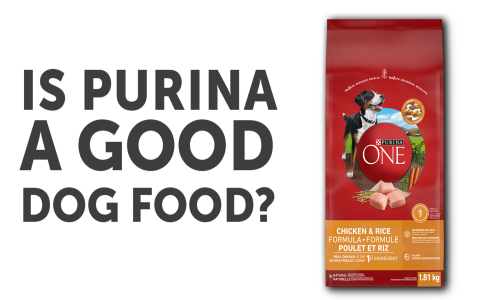
Choosing the right food for your puppy is one of the most important decisions you will make, because it shapes early growth, immunity, and long-term vitality. Among the many brands on store shelves, Purina is frequently mentioned by new owners. This article reviews the brand’s puppy formulas, nutrient profiles, and general expert sentiment so you can decide whether it fits your young dog’s bowl.
Nutritional Value of Purina Puppy Food
Purina markets several puppy lines, each engineered to supply the calories, amino acids, and micronutrients growing dogs need. Key highlights include:
Balanced Protein and Fat
Every recipe delivers controlled levels of protein for lean-muscle formation and fat for concentrated energy plus skin-and-coat support. Named meats, poultry, or fish typically head the ingredient list, while fat sources such as sunflower oil or chicken fat provide omega fatty acids in ratios suitable for development.
Essential Vitamins and Minerals
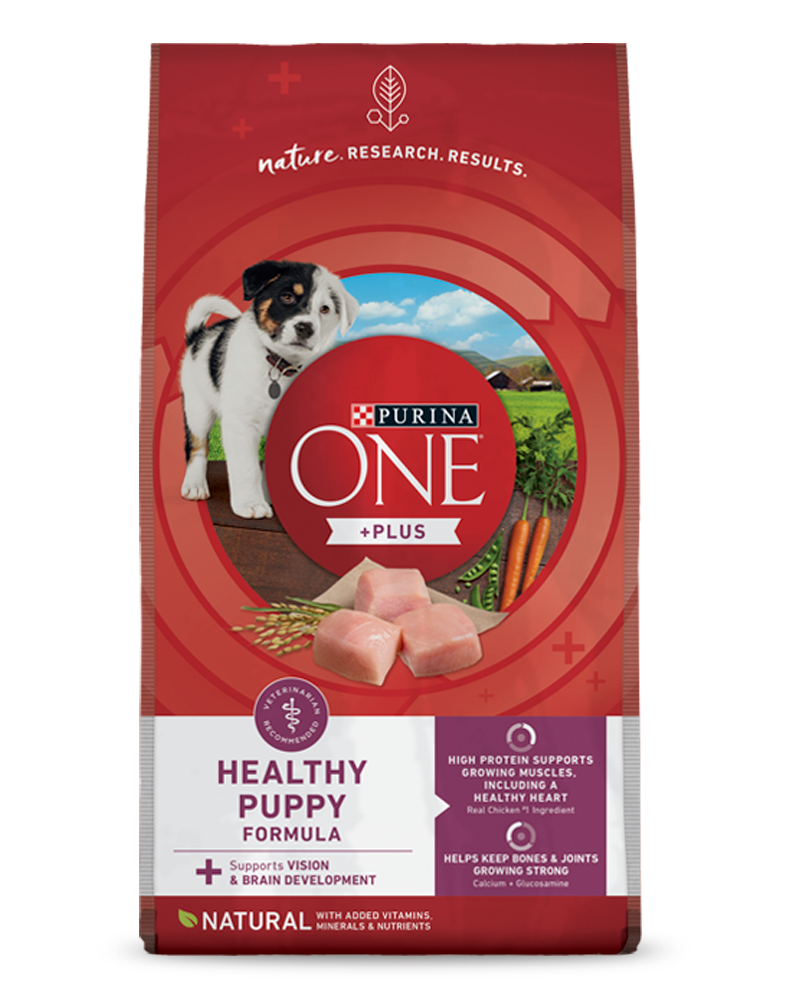
Calcium, phosphorus, and vitamin D appear in carefully calculated amounts to encourage steady skeletal growth. Added trace elements, B-vitamins, and antioxidants help cellular repair and immune readiness during the vaccination period.
Natural Ingredients
While traditional formulas include wholesome grains, the company also produces grain-free alternatives for pups that fare better on legume or tapioca bases. Artificial colors and flavors are routinely left out of puppy offerings.
Ingredients Used in Purina Puppy Food
Ingredient transparency is central to the brand’s messaging. Typical components include:
High-Quality Protein Sources
Deboned chicken, turkey, salmon, or lamb meal supply complete amino-acid profiles. These proteins are rendered highly digestible through cooking methods that reduce pathogens while preserving biological value.
Grains and Fiber Sources
Rice, oatmeal, or barley act as gentle carbohydrate sources that stabilize blood sugar and feed beneficial gut bacteria. For grain-sensitive pups, sweet potato or pea starch steps in as an alternate carb.
Functional Additives
Fish oil brings DHA for brain and vision development; dried chicory root offers prebiotic fiber; mixed tocopherols maintain freshness without synthetic preservatives.
Opinions of Pet Experts
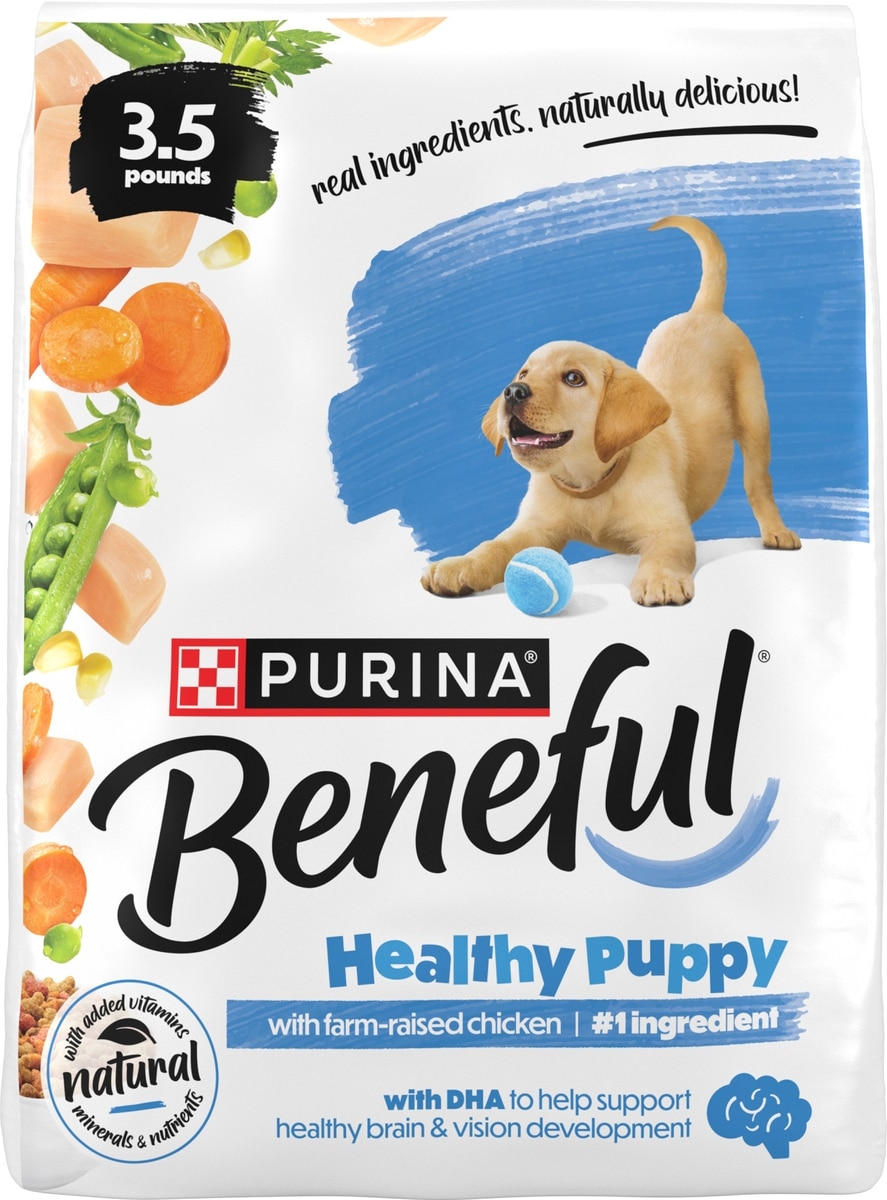
Professional feedback generally acknowledges the brand’s long safety record and research budget. Veterinarians often note that Purina employs board-certified nutritionists and conducts feeding trials, giving owners confidence in label claims. Specialists remind buyers to match the specific product line—whether Pro Plan, ONE, or Puppy Chow—to the individual puppy’s growth rate, breed size, and activity level.
Conclusion
Purina puppy foods deliver complete, life-stage-appropriate nutrition backed by decades of formulation science. Selecting the right variant, transitioning gradually, and observing your pup’s body condition will maximize benefits. As always, discuss any diet change with your veterinarian to ensure it harmonizes with your puppy’s unique needs.
Ultimately, the best food is the one that keeps your puppy energetic, maintains an ideal weight, and produces a glossy coat and small, firm stools. Use the information above, combine it with your vet’s guidance, and you’ll provide a solid nutritional start for life.