




Bichon Frise: A Friendly Guide to the Breed
Introduction
The Bichon Frise is loved for its cheerful temperament, cotton-like coat, and compact size. If you are considering welcoming one into your home, this overview will help you understand what to expect, from daily care to finding a responsible source for adoption or purchase.
The History of the Bichon Frise
Small white companion dogs resembling today’s Bichon Frise sailed the Mediterranean centuries ago, eventually charming European courts. Over time, entertainers and everyday families alike embraced the breed for its bright personality and portable size, securing its place as a perennial favorite.
Characteristics of the Bichon Frise
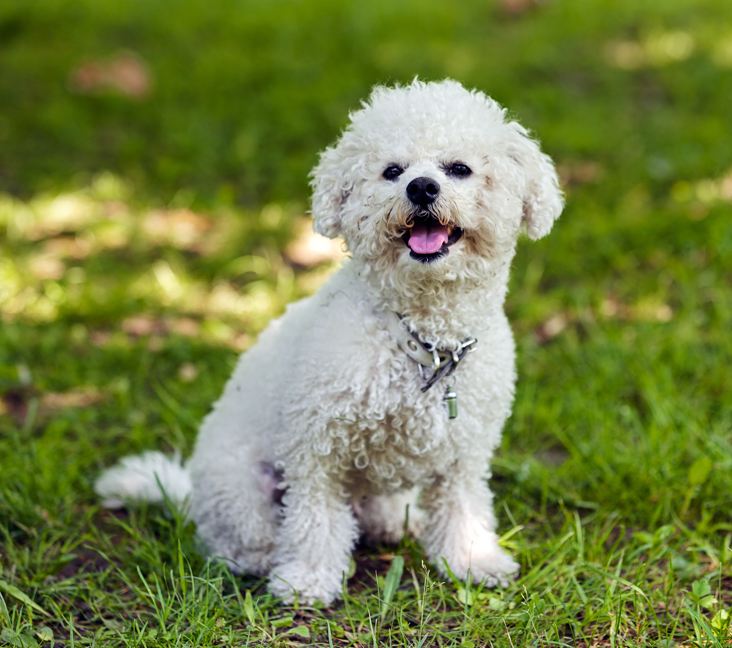
Adults usually weigh between ten and twenty pounds and stand roughly nine to twelve inches at the shoulder. Key traits include:
1. Affectionate and Social
These dogs thrive on human company, bond quickly with household members, and generally get along well with children and other pets.
2. Curly Coat
The dense, curly outer coat and soft undercoat produce little dander, which often suits allergy sufferers, but it also demands consistent upkeep.
3. Playful and Intelligent
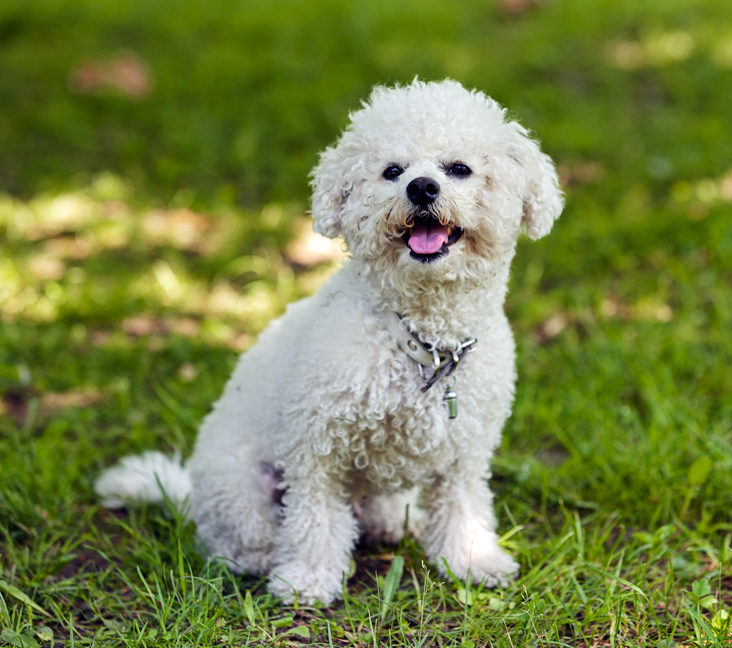
Quick learners, Bichons enjoy trick training, puzzle toys, and gentle agility games that exercise both mind and body.
4. Low-Shedding
While loose hair is minimal, regular brushing is essential to prevent tangles and mats.
Care Requirements for Bichon Frise Dogs
A happy Bichon relies on three pillars: grooming, exercise, and balanced nutrition.
1. Grooming
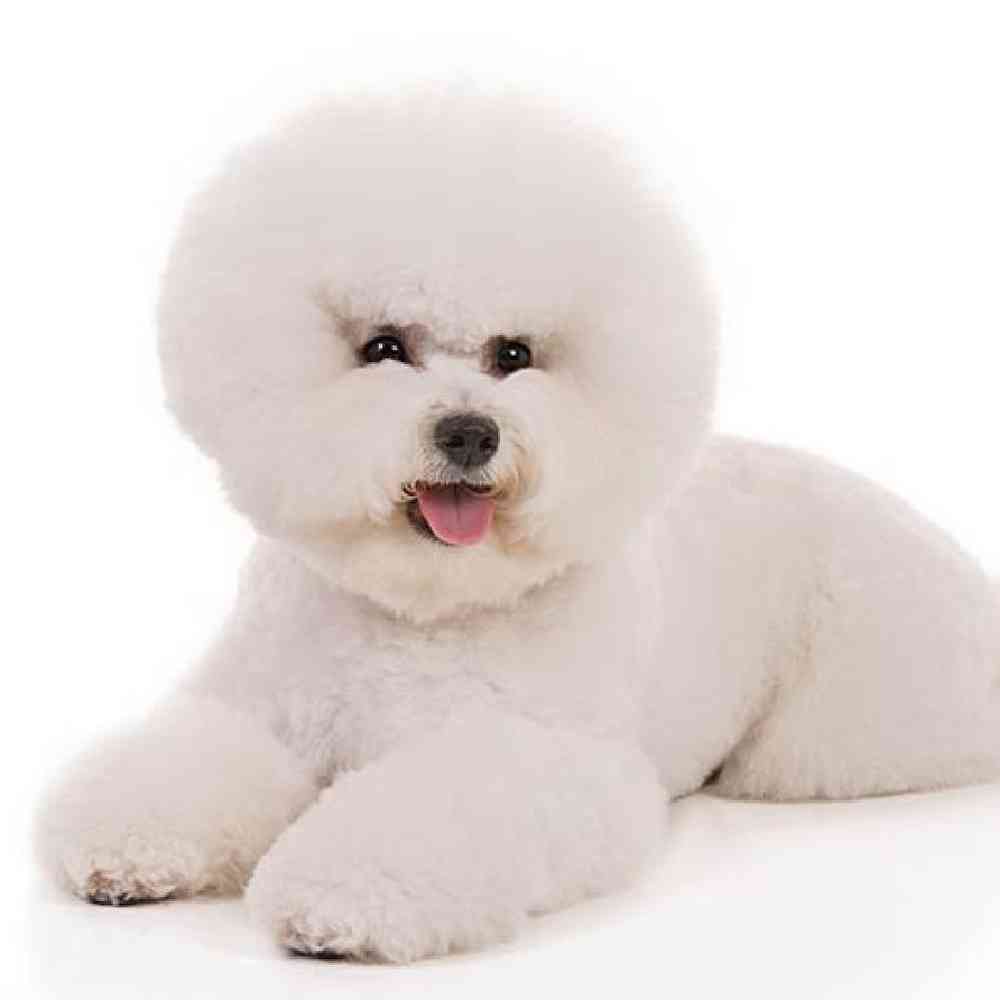
Daily line-brushing keeps the coat free of knots; a bath every four to six weeks and a professional trim every six to eight weeks maintain shape and skin health.
2. Exercise
Two brisk walks plus short play sessions satisfy their energy needs. Mental stimulation—hide-and-seek games or basic obedience drills—prevents boredom barking.
3. Diet
Choose a high-quality food appropriate for small-breed adults or puppies; measure meals to avoid overfeeding, and provide fresh water at all times.
Finding a Bichon Frise
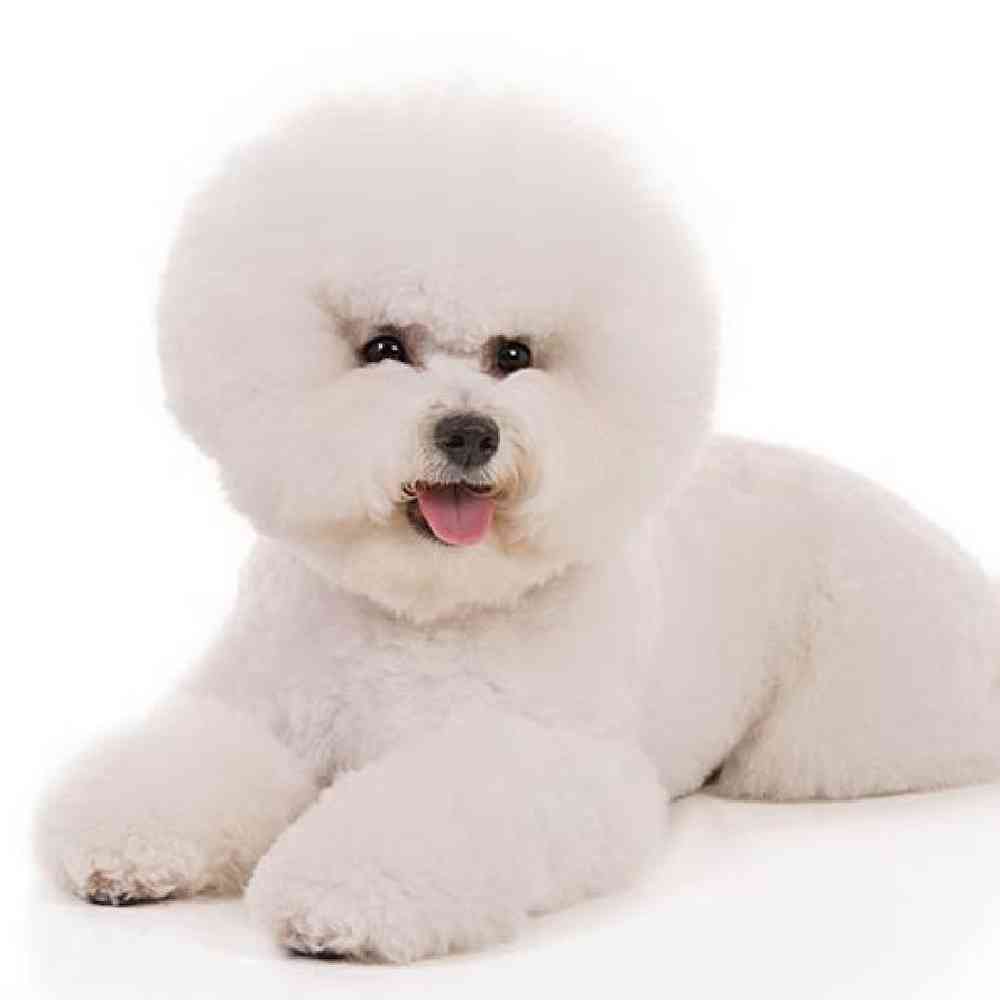
Whether you adopt or purchase, prioritize health-tested, well-socialized dogs. Consider these avenues:
1. Online Resources
Reputable breed-rescue databases list adults and seniors needing homes, while national kennel-club marketplaces often feature litters from screened breeders.
2. Local Dog Shows and Events
Attending companion-dog exhibitions allows you to meet breeders, observe temperament, and ask questions in person.
3. Community Shelters and Rescue Groups
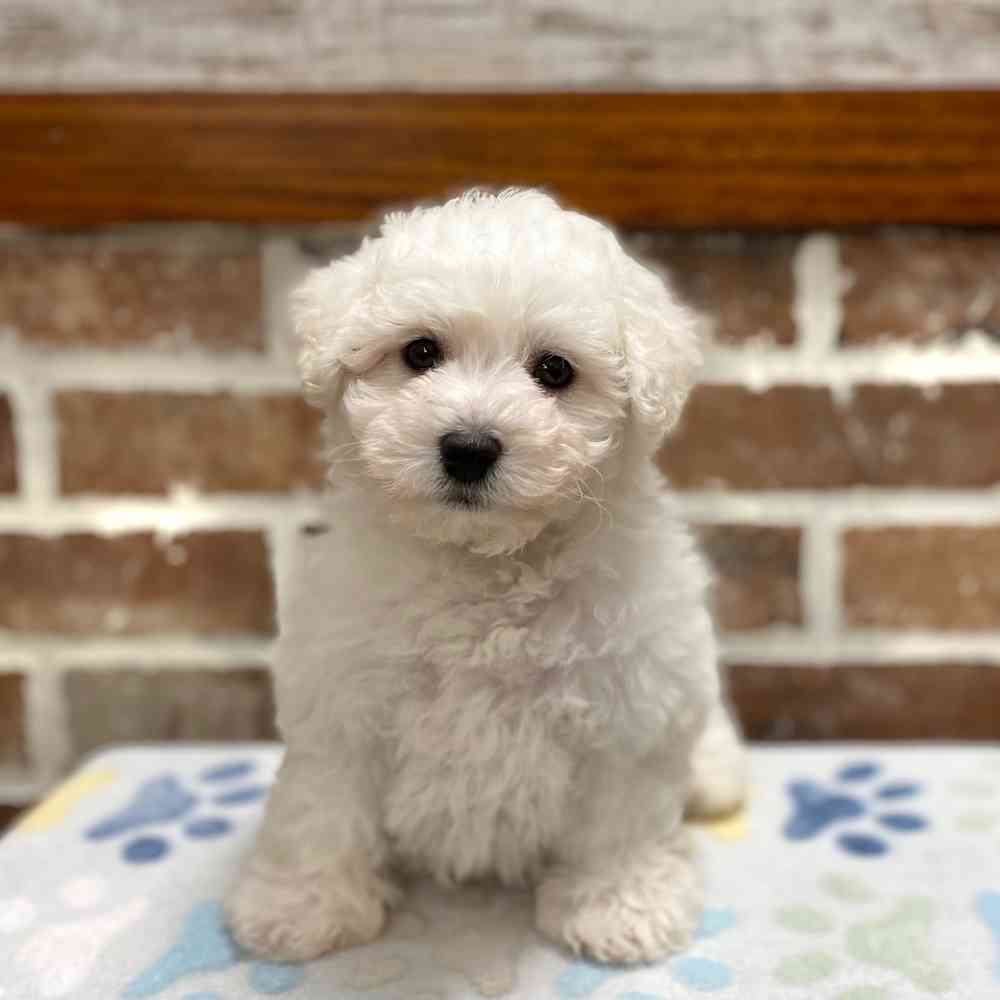
Many fluffy mixes—and occasionally purebred Bichons—enter local rescues; adoption counselors can match you with a dog whose energy level fits your lifestyle.
Conclusion
With consistent grooming, moderate exercise, and plenty of companionship, the Bichon Frise rewards owners with an affectionate, entertaining presence. Research breeders or rescues carefully, prepare your home for a small companion, and you can look forward to years of bright-eyed friendship.
References
– National kennel-club breed sheet, latest edition
– Bichon Frise breed-club care pamphlet
– General veterinary guidelines for small-breed dogs
– Pet-rescue adoption handouts