




Dog Auctions: Understanding the Market and Its Implications
Introduction
Dog auctions have become a topic of growing interest in recent years. These events, where dogs are sold to the highest bidder, often spark ethical debates and questions about market forces. This article offers a broad overview of how such auctions operate, the kinds of dogs typically involved, the moral questions they raise, and the wider economic patterns at play. By examining these angles, readers can gain a clearer picture of why the practice persists and what it means for animals and society.
Origins and Types of Dog Auctions
Origins
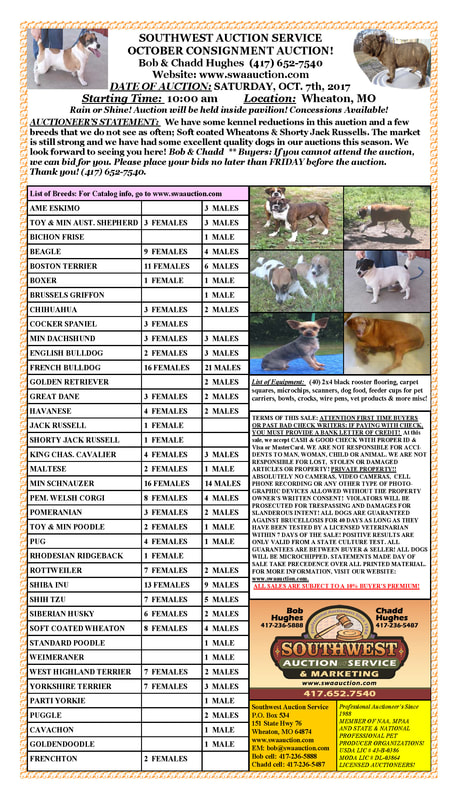
Large-scale dog sales date back more than a century. Early gatherings were simple affairs meant to find homes for strays or surplus farm dogs. Over time, the format shifted toward commercial venues that feature everything from champion bloodlines to mixed-breed companions. Revenue, rather than re-homing, gradually became the central goal for many organizers.
Types of Dogs Involved
Modern auctions may include:
– Pedigree dogs valued for predictable looks, temperament, or working talent.
– Mixed-breed dogs appreciated for hardiness and unique personalities.
– Working-line dogs bred for tasks such as herding, detection, or search-and-rescue.
Ethical Implications of Dog Auctions
Animal Welfare Concerns
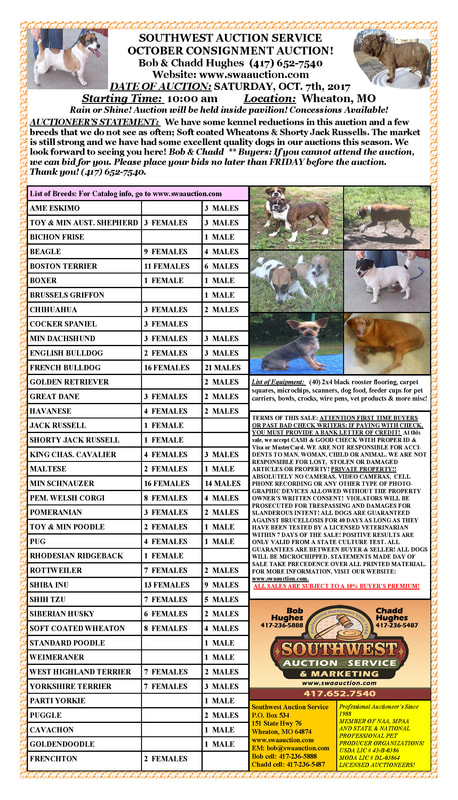
One major worry is the possibility of inadequate care before, during, and after the sale. Overcrowded holding areas, long transport times, and minimal veterinary oversight can jeopardize a dog’s health and behavior, raising questions about duty of care.
Breeding Practices
High turnover can encourage rapid breeding without health screening. When profit drives litter frequency, hereditary problems such as hip dysplasia or heart defects may become more common, reducing quality of life for the animals and placing financial and emotional burdens on future owners.
Human Exploitation
Where big money changes hands quickly, there is room for dishonest dealing. Misrepresented pedigrees, hidden medical issues, or pressure tactics can mislead buyers, while sellers may face coercion to meet quotas. These ripple effects touch both people and pets.

Market Dynamics of Dog Auctions
Supply and Demand
Prices rise and fall with breed fads, regional preferences, and broader economic health. A sudden surge in demand for a particular look or skill set can send breeders scrambling to produce more litters, whereas economic downturns often depress bidding.
Market Trends
Over the past decade, Labrador Retrievers, German Shepherds, and designer crosses have drawn premium bids. At the same time, growing adoption campaigns and online rescue networks have steered many households toward shelter dogs, slowly reshaping the overall marketplace.
Regulatory Challenges

Rules differ widely between regions, and enforcement can be spotty. Defining humane conditions, setting age limits for puppies, and tracking seller identities remain contentious tasks that pit commercial freedom against welfare priorities.
Conclusion
Dog auctions sit at the crossroads of commerce and compassion. While they offer a quick way to match dogs with new handlers, they also spotlight welfare gaps and regulatory loopholes. Recognizing the historical roots, ethical stakes, and economic forces helps communities decide whether, and how, such sales should continue.
Recommendations and Future Research
To mitigate ongoing problems, stakeholders can consider the following steps:
1. Harmonized standards: Encourage consistent, science-based welfare rules across jurisdictions, covering housing, transport, and veterinary checks.

2. Adoption incentives: Expand low-cost spay/neuter programs, showcase shelter animals at public events, and offer tax benefits or vouchers for adopters.
3. Breeder education: Provide accessible courses on genetics, socialization, and business ethics, supported by mentorship from accredited bodies.
Further studies could explore:
1. Long-term behavioral and medical outcomes for dogs that pass through auction channels versus those sourced elsewhere.
2. The real-world impact of recent policy changes on auction frequency, prices, and compliance rates.
3. How digital platforms influence buyer behavior and whether online transparency tools reduce fraud or impulse purchases.
Pursuing these lines of inquiry and acting on their findings can help steer the canine marketplace toward practices that respect both animal welfare and consumer rights.