



Animal Adaptations for Kids: Exploring the Wonders of Nature
Introduction
Animal adaptations are amazing features that have developed over long periods to help creatures live successfully in their homes. These changes can be seen in body shape, daily habits, or even inner body processes. In this article, we will look at some of the coolest examples, explained in a kid-friendly way. Learning about these tricks of nature helps young readers value the rich variety of life on our planet.
What are Animal Adaptations?
An adaptation is any trait that makes an animal better suited to its surroundings. It might be an outside trait such as fur color, an action like nighttime hunting, or an internal trait such as the ability to save water. All of these special features work together to keep the animal safe, fed, and comfortable.
Physical Adaptations
Camouflage
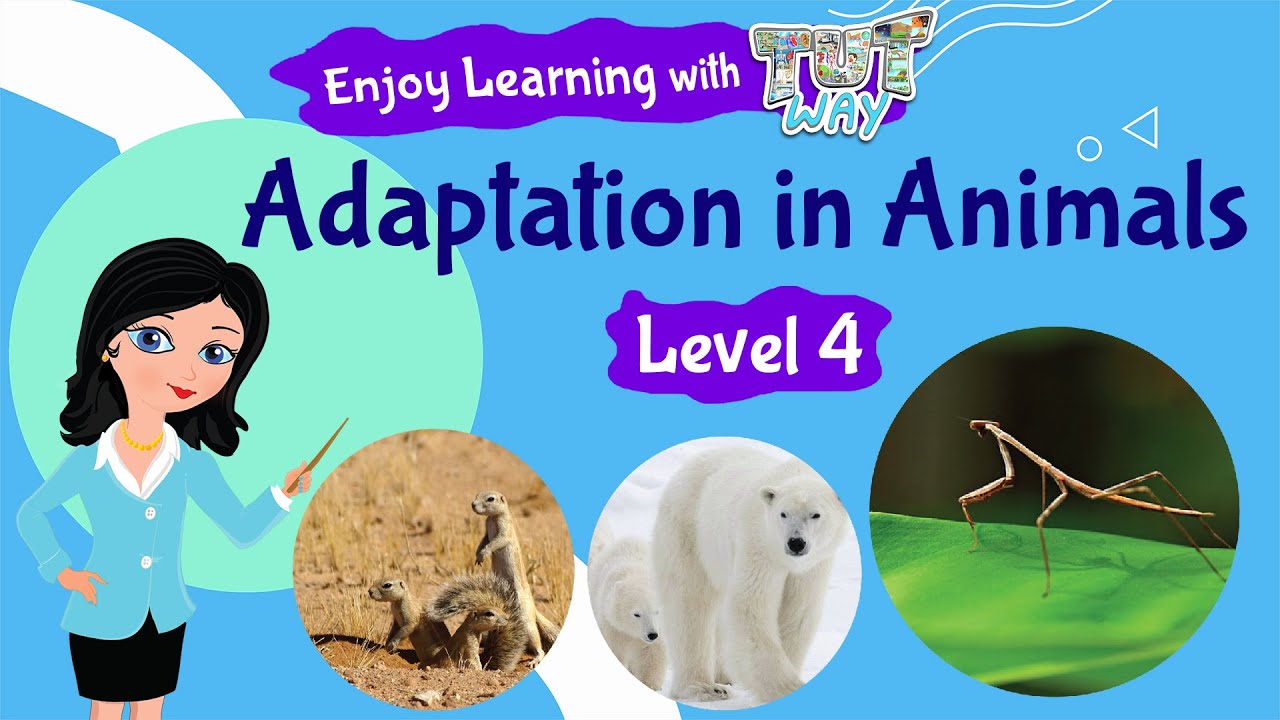
Blending in with the background is one of the most striking physical adaptations. Many creatures can hide in plain sight because their colors or shapes match leaves, bark, sand, or snow. For instance, some lizards shift skin tone to echo nearby shades, while certain moths mimic tree bark so well they seem to disappear.
Camouflage
Good camouflage lowers the chance of being eaten and raises the chance of catching dinner. A stick insect that looks exactly like a twig can rest on a branch without being noticed by hungry birds.
Camouflage
Seasonal camouflage also helps: in winter, the coat of an Arctic mammal may turn white to match snow, then change to brown when the ground reappears in summer.
Behavioral Adaptations
Foraging Strategies
Finding food calls for clever habits and tools. A bird’s beak may be thin for sipping nectar, strong for cracking seeds, or sharp for spearing fish. Snakes track scent trails and use quick tongue flicks to locate prey hidden in narrow gaps.
Foraging Strategies
Body parts often match the dining scene. A long, bendable nose can reach high leaves, while webbed feet turn a bird into a speedy swimmer that chases fish underwater.
Foraging Strategies
Teamwork is another clever trick. Some small mammals take turns acting as lookouts while the rest search for insects or roots. Sharing watch duty means everyone eats more and worries less.
Physiological Adaptations
Temperature Regulation
Animals cope with heat or cold through inner “thermostats.” Thick fur, extra fat, or the habit of curling into a tight ball can keep heat inside during freezing nights. Desert dwellers, on the other hand, save water by producing very little sweat and releasing dry waste.
Temperature Regulation
Large, thin ears can radiate extra heat, while counter-current heat exchange in legs keeps body warmth from escaping into icy water. These invisible systems work around the clock.
Temperature Regulation
Some travelers avoid extreme temperatures altogether by flying or swimming to warmer regions each year, returning home only when conditions improve.
Conclusion
Every adaptation, big or small, shows how life adjusts to challenges. Exploring these survival secrets encourages kids to observe carefully, ask questions, and respect the balance of nature. The more we learn, the better we can protect the amazing creatures that share our world.
Future Research
Scientists still have plenty to discover about how animals adjust to change. Possible questions for tomorrow’s explorers include:
– How are useful traits inherited and modified over many generations?
– What happens to cold-climate species as average temperatures rise?
– How do new conditions in a habitat reshape feeding, breeding, or shelter-building habits?
Continuing to study these mysteries will inspire future nature lovers and guide efforts to keep Earth’s wildlife thriving.