



The Oldest Cat Breeds: A Journey Through Time
Introduction
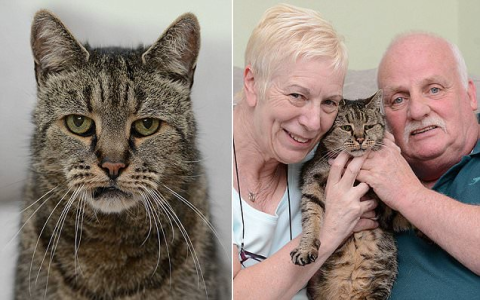
Cats have shared homes with people for millennia. Across the centuries, distinct breeds appeared, each carrying its own look and story. Some of these lines are especially ancient, tracing back to early civilizations. This brief tour highlights the most time-honored breeds, their backgrounds, and the place they still hold in our lives today.
The Oldest Cat Breeds: A Brief Overview
Among the earliest established breeds are the Egyptian Mau, Turkish Angora, Chartreux, Maine Coon, and British Shorthair. All five have long histories and traits that continue to charm cat lovers around the world.
The Egyptian Mau: A Living Antique
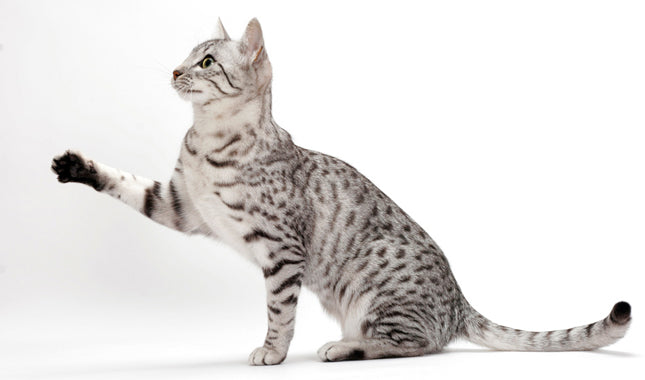
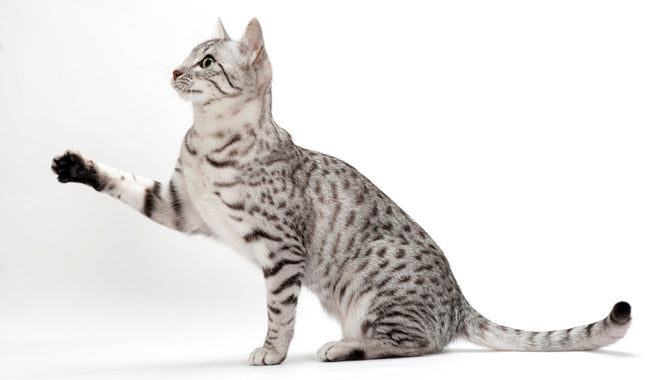
The Egyptian Mau stands out for its naturally occurring spots, gooseberry-green eyes, and quick reflexes. Images of similarly marked cats appear in ancient art, suggesting that the Mau’s ancestors once wandered the Nile Valley and were treasured for their grace and hunting skill.
The Turkish Angora: Silk Coat, Lively Spirit
The Turkish Angora takes its name from the city of Ankara and is famed for its shimmering, fine coat and playful nature. For centuries these elegant cats were pampered in palace gardens, and travelers often carried them along trade routes, helping the breed gain admirers far beyond its homeland.
The Chartreux: Quiet Strength from France
The Chartreux is a sturdy, blue-gray cat with copper or gold eyes and a famously gentle voice—some say it chirps more than it meows. Monastic communities in France kept these cats as diligent mousers, and their calm temperament later made them welcome in town homes as well.
The Maine Coon: Gentle Giant of the North
America’s native longhair, the Maine Coon, evolved to survive harsh northeastern winters. Its water-resistant coat, tufted paws, and friendly disposition helped it move from barns and ships to family hearths, earning a reputation as an affable “gentle giant.”
The British Shorthair: Plush and Easy-going
The British Shorthair’s round face, dense coat, and laid-back attitude have made it a staple of British life for generations. Once kept for rodent control, the breed later became a show-ring favorite and remains one of the most popular companions in the United Kingdom.
Conclusion
These long-established breeds remind us how deeply cats have woven themselves into human history. Each carries traits shaped by centuries of partnership, offering living links to the past while continuing to enrich our homes today.
Future Research
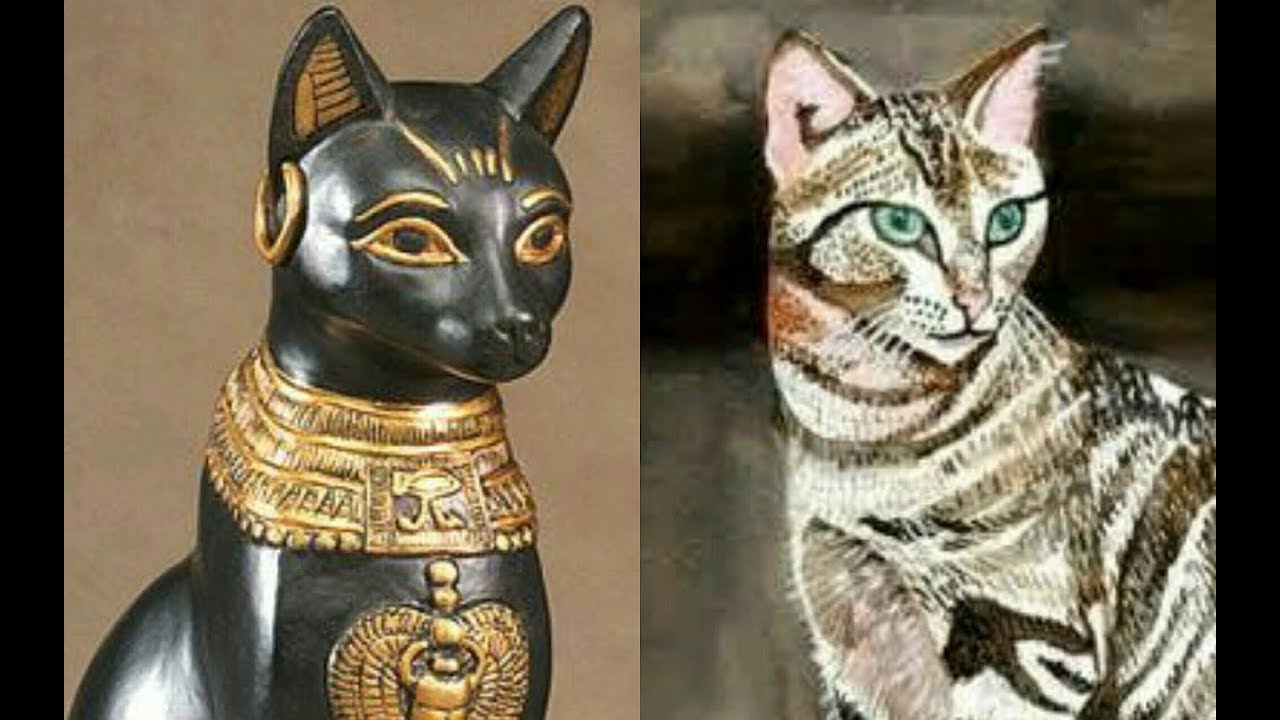
Continued study of ancient breeds could reveal more about feline domestication, genetic diversity, and adaptation. Exploring both their DNA and the cultural roles they played may deepen our understanding of how cats and people have influenced one another across the ages.