




Title: How to Adopt Animals: A Comprehensive Guide
Introduction:
Adopting animals is a noble and rewarding endeavor that can bring immense joy and companionship into our lives. However, it is important to approach the process with careful consideration and preparation. This article aims to provide a comprehensive guide on how to adopt animals, covering various aspects such as understanding the responsibilities, finding the right animal, preparing for adoption, and the benefits of adopting animals. By following this guide, individuals can make informed decisions and ensure a successful adoption experience.
Understanding the Responsibilities of Adopting Animals
Adopting an animal is not just about providing a home; it is a lifelong commitment. It is crucial to understand the responsibilities involved in taking care of an animal. Here are some key responsibilities to consider:
1. Financial Commitment: Animals require regular veterinary care, including vaccinations, routine check-ups, and potential medical treatments. Additionally, they need food, toys, and other supplies. It is essential to ensure that you can afford these expenses throughout the animal’s lifetime.
2. Time and Attention: Animals require time and attention. They need daily exercise, playtime, and companionship. It is important to allocate sufficient time to meet their needs and provide them with a loving and stimulating environment.
3. Training and Socialization: Animals, especially puppies and kittens, require training and socialization. This involves teaching them basic commands, house training, and exposing them to different people, animals, and environments to develop a well-rounded personality.
4. Emotional Support: Animals provide emotional support and companionship. It is important to be prepared to offer them love, care, and understanding, especially during challenging times.
Finding the Right Animal for Adoption
Choosing the right animal for adoption is a crucial step in the process. Here are some factors to consider when selecting an animal:
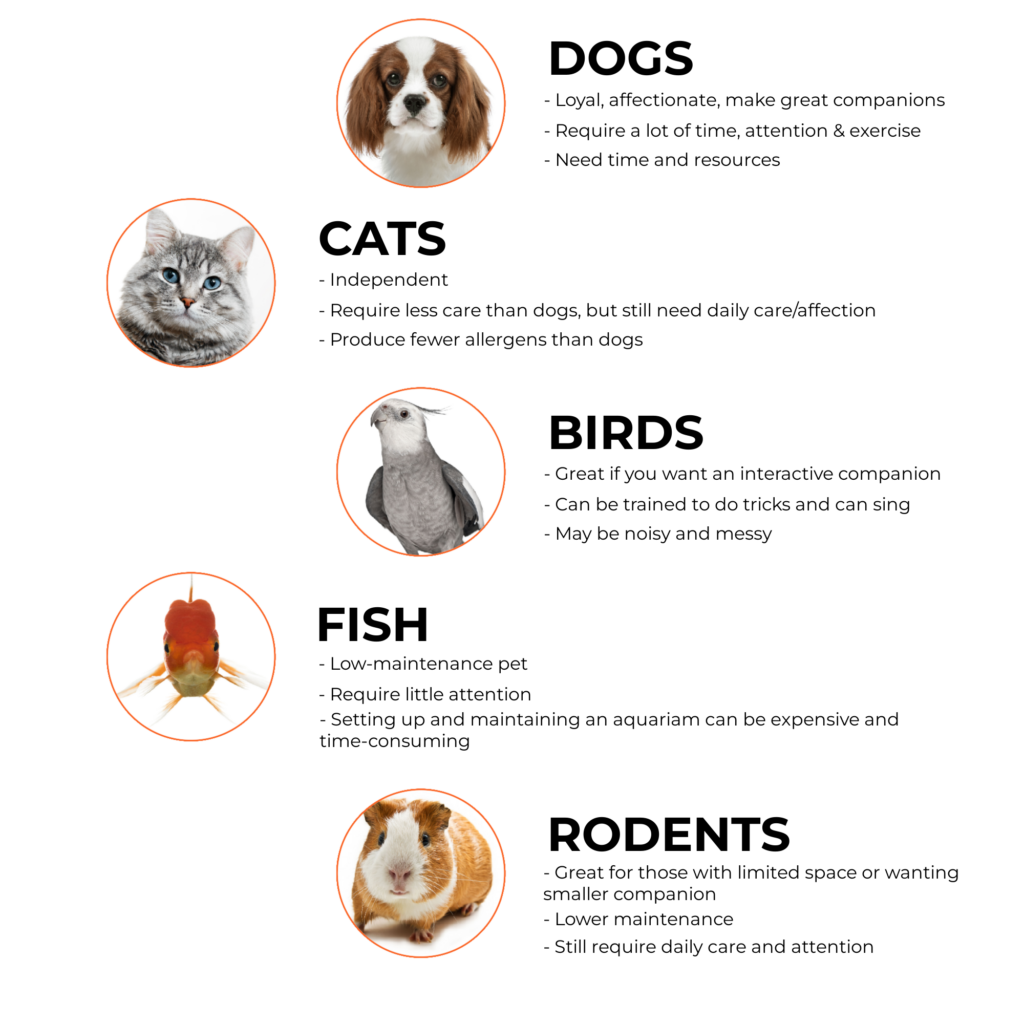
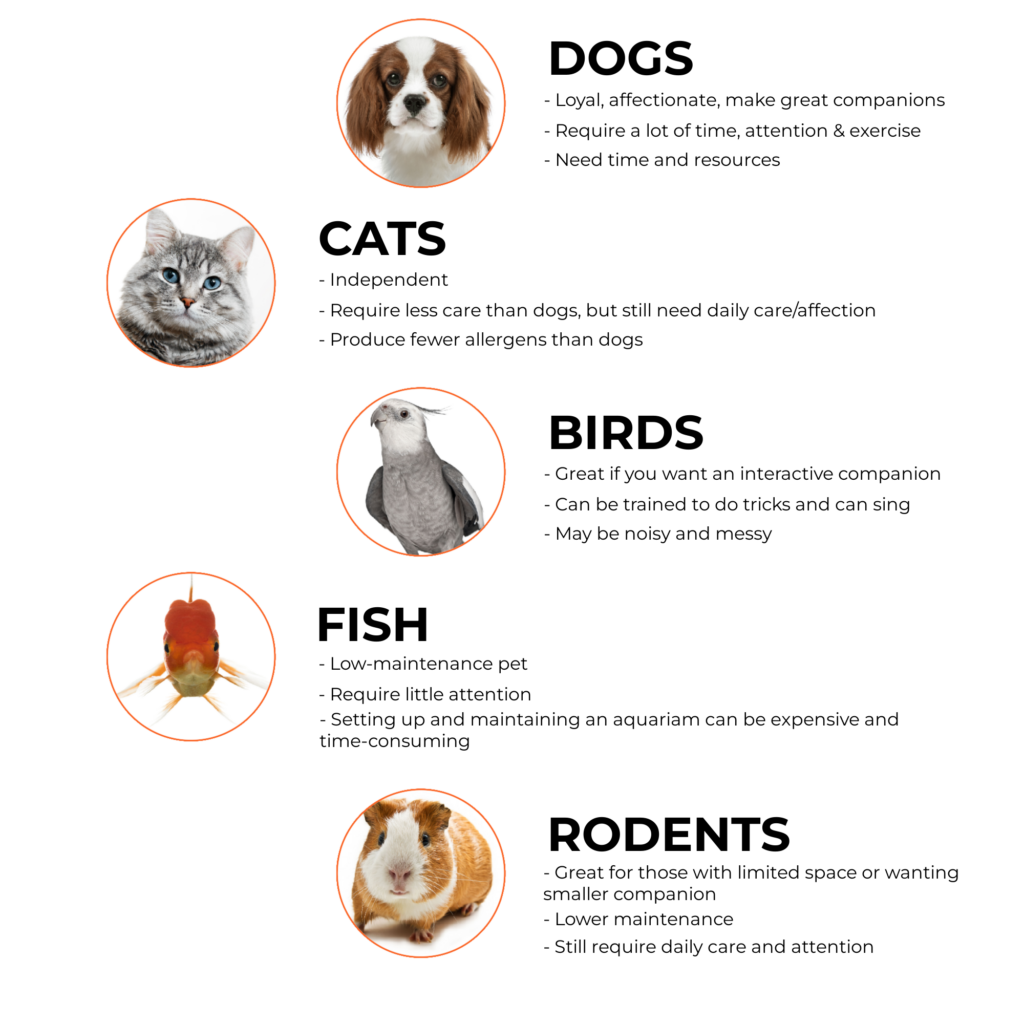
1. Compatibility: Assess your lifestyle, living situation, and preferences to determine the type of animal that would be the best fit. Consider factors such as size, energy level, and temperament.
2. Age and Health: Younger animals may require more training and attention, while older animals may have specific health needs. Consider your ability to provide the necessary care and support.
3. Breed and Temperament: Different breeds have varying temperaments and energy levels. Research different breeds to find one that aligns with your expectations and lifestyle.
4. Rescue Organizations and Shelters: Explore local rescue organizations and shelters that offer a wide range of animals for adoption. These organizations often provide valuable resources and support to ensure successful adoptions.
Preparing for Adoption
Before adopting an animal, it is important to prepare your home and yourself for the transition. Here are some steps to consider:
1. Create a Safe Environment: Ensure that your home is safe for the animal by removing any hazardous items, securing loose wires, and providing a designated area for the animal to rest and sleep.
2. Gather Necessary Supplies: Purchase food, water bowls, toys, and other supplies that the animal may need. It is also advisable to have a collar, leash, and identification tags ready.
3. Research and Prepare for Training: Familiarize yourself with basic training techniques and resources to help your new pet adjust to their new home and develop good behavior.
4. Seek Support and Resources: Reach out to local animal welfare organizations, online communities, and support groups for guidance and assistance during the adoption process.

The Benefits of Adopting Animals
Adopting animals offers numerous benefits, both for individuals and society. Here are some of the key advantages:
1. Companionship and Emotional Support: Animals provide companionship, reduce feelings of loneliness, and offer emotional support, especially during challenging times.
2. Physical Health Benefits: Interaction with animals has been shown to reduce stress, lower blood pressure, and improve overall physical and mental well-being.
3. Social Benefits: Adopting animals can foster a sense of community and connection with others who share similar interests and values.
4. Saving Lives: By adopting from shelters or rescue organizations, you contribute to reducing the number of animals in shelters and give a second chance to animals in need.
Conclusion:

Adopting animals is a significant decision that requires careful consideration and preparation. By understanding the responsibilities involved, finding the right animal, preparing for adoption, and recognizing the benefits, individuals can make informed decisions and provide a loving and fulfilling home for an animal in need. Adopting animals not only enriches our own lives but also contributes to the well-being of these wonderful creatures. Let us embrace the joy and fulfillment that comes with adopting animals and make a positive impact on their lives.