


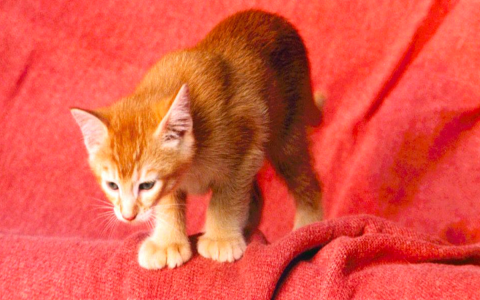

Polydactyl Cats: A Curious and Charming Quirk of Nature
Introduction
Cats with extra toes—often called polydactyls—have long captured the imagination of feline fans. Their oversized, mitten-like paws give them a whimsical look that stands out in any room. This brief guide explores what makes these cats special, where the trait comes from, and why so many people enjoy sharing life with a “big-foot” companion.
The Origin of Polydactyl Cats
Extra-toed cats have appeared in port cities and farming communities for hundreds of years. The trait is a harmless, naturally occurring genetic variation that can pop up in any litter. Sailors once considered them lucky charms, so the gene traveled the world aboard ships and gradually became part of many local cat populations.
Characteristics of Polydactyl Cats
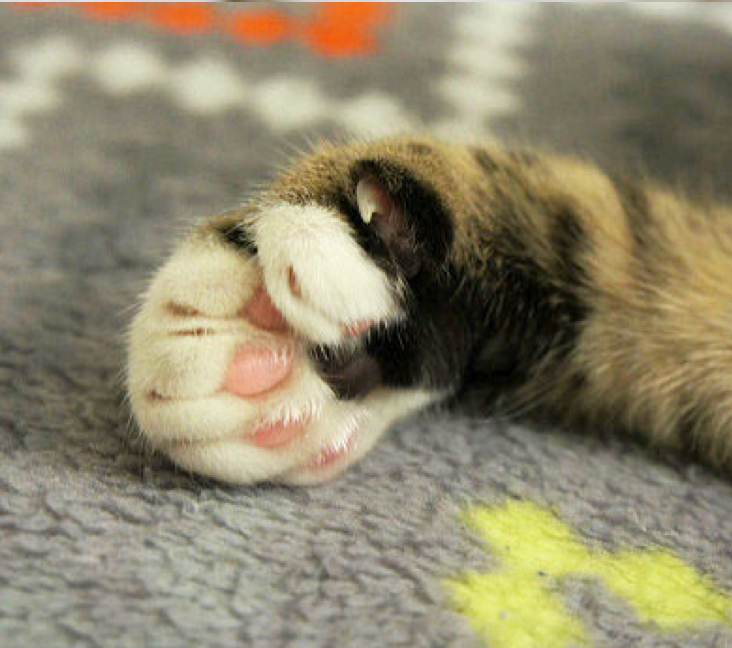
While every cat is an individual, polydactyls share a few common features:
1. Extra Toes
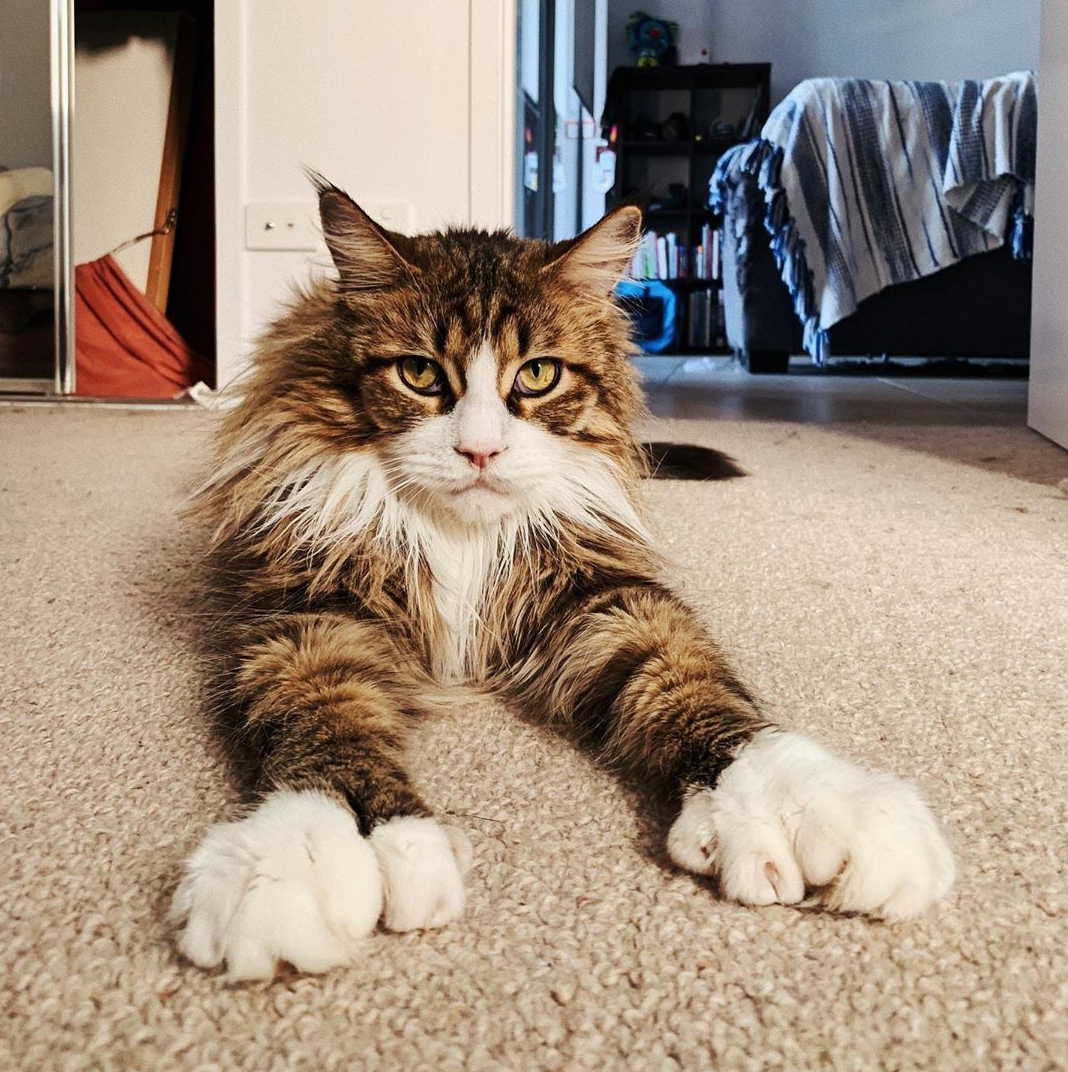
Most cats have 18 toes; polydactyls may have 20, 22, or even more. The bonus digits can look like thumbs, giving the impression of fluffy mittens or snow-shoe feet.
2. Any Breed, Any Coat
The mutation is not limited to one breed. It appears in longhairs, shorthairs, tabbies, solids, and everything in between, so personality and grooming needs vary widely.
3. Routine Paw Care
Extra toes sometimes grow nails at odd angles. A quick monthly trim keeps paws comfortable and prevents snagging on carpets or furniture.
The Appeal of Polydactyl Cats
Beyond the cute factor, owners report three big draws:
1. Conversation Starter
Visitors almost always notice the oversized paws first, making these cats natural ice-breakers and social-media favorites.
2. Playful, People-Oriented Temperament
Many polydactyls are described as dog-like: they fetch, follow owners from room to room, and enjoy gentle handling by children.
3. A Touch of Living History
Owning a polydactyl feels like keeping a tiny piece of maritime folklore alive—each paw a reminder of global journeys and old superstitions.
Finding a Polydactyl Cat
If you would like to welcome one into your home, consider these avenues:
1. Specialty Rescues
Some shelters keep a lookout for extra-toed arrivals and will tag them online so interested adopters can apply quickly.
2. General Shelters
Polydactyls appear in ordinary shelter populations too. Visiting in person or browsing adoptable-cat galleries regularly increases your chances.
3. Ethical Breeders
A handful of breeders focus on preserving the trait within healthy bloodlines. Ask for health records, meet the kittens’ parents, and confirm clean, spacious living conditions before committing.
Conclusion
Whether you adopt from a rescue or work with a responsible breeder, a polydactyl cat offers the same affection, antics, and low-maintenance companionship as any feline—plus a set of adorable “built-in mittens.” Provide routine vet care, keep those extra nails trimmed, and enjoy the endless compliments your unique friend will receive.