


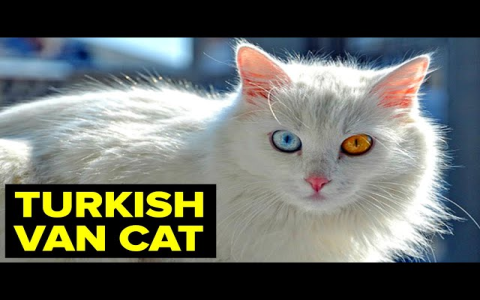

The Turkish Van Cat: A Unique and Charming Companion
Introduction
The Turkish Van cat, celebrated for its eye-catching coat and affectionate personality, has long been a favorite among feline lovers. This overview highlights the breed’s background, distinctive looks, gentle temperament, and everyday care, offering a complete picture of why these cats brighten so many homes.
The History of the Turkish Van Cat
Native to the Lake Van area of Eastern Anatolia, the Turkish Van is an ancient natural breed that developed amid rugged terrain and harsh winters. Local legends praise its swimming skill and resilience, traits passed down through generations. The cats later traveled beyond their homeland, winning admirers on several continents after dedicated enthusiasts introduced them abroad.
Physical Attributes
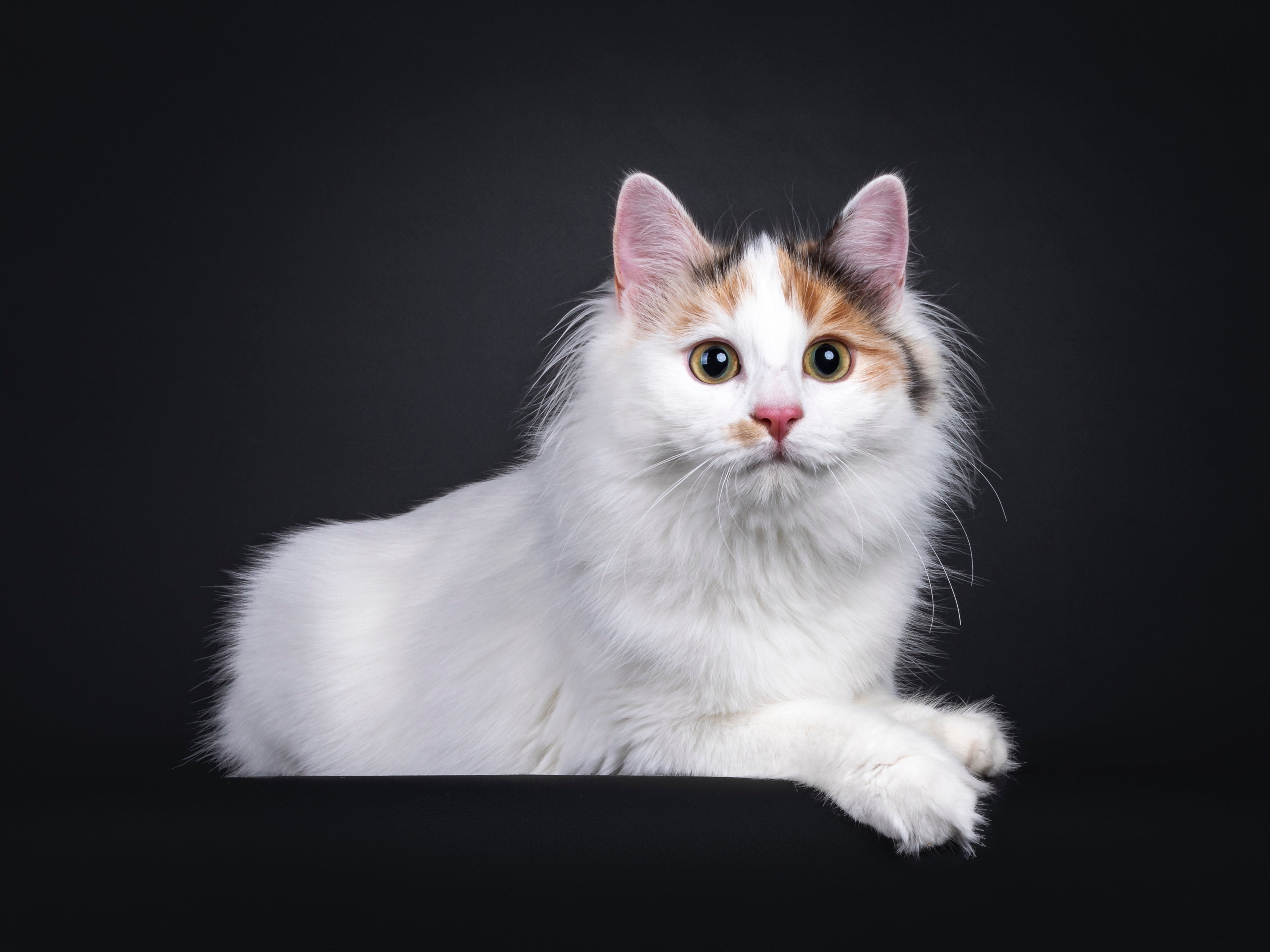
The Turkish Van stands out at first glance. Key features include:
1. Color and Pattern
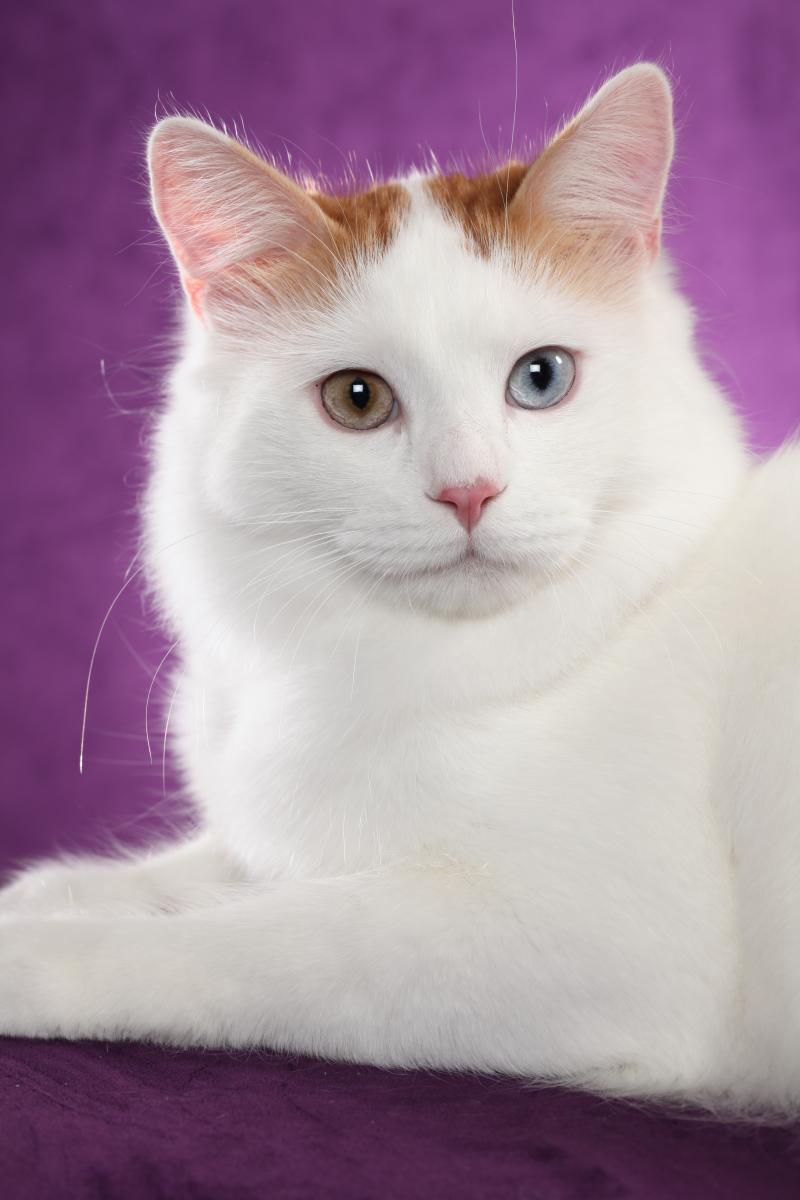
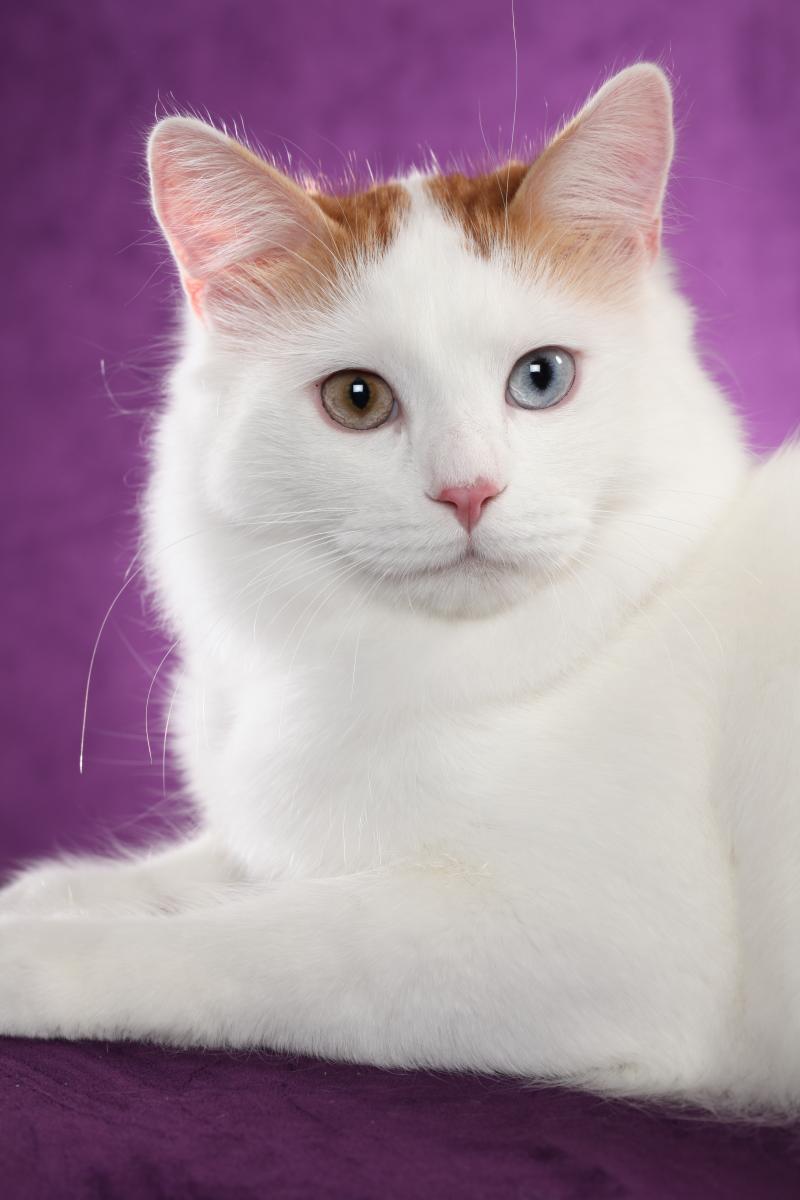
Most individuals wear a pearly white coat accented by colored patches restricted to the head and tail, a pattern often called “Van markings.” Shades can be red, cream, black, or blue, and the distribution is governed by a recessive gene, so each litter can surprise new owners with subtle variations.
2. Size and Build
These cats are medium-to-large, muscular yet elegant. A broad chest, long torso, and powerful hind legs give them impressive leaping ability and a graceful stride.
3. Coat and Grooming
The semi-long, single coat feels cashmere-soft and naturally repels water, a quirk that lets the cat shake off moisture after an impromptu splash. Weekly combing keeps the fur silky and prevents tangles.
Temperament
Beyond good looks, the Turkish Van is prized for its engaging character:
1. Sociability
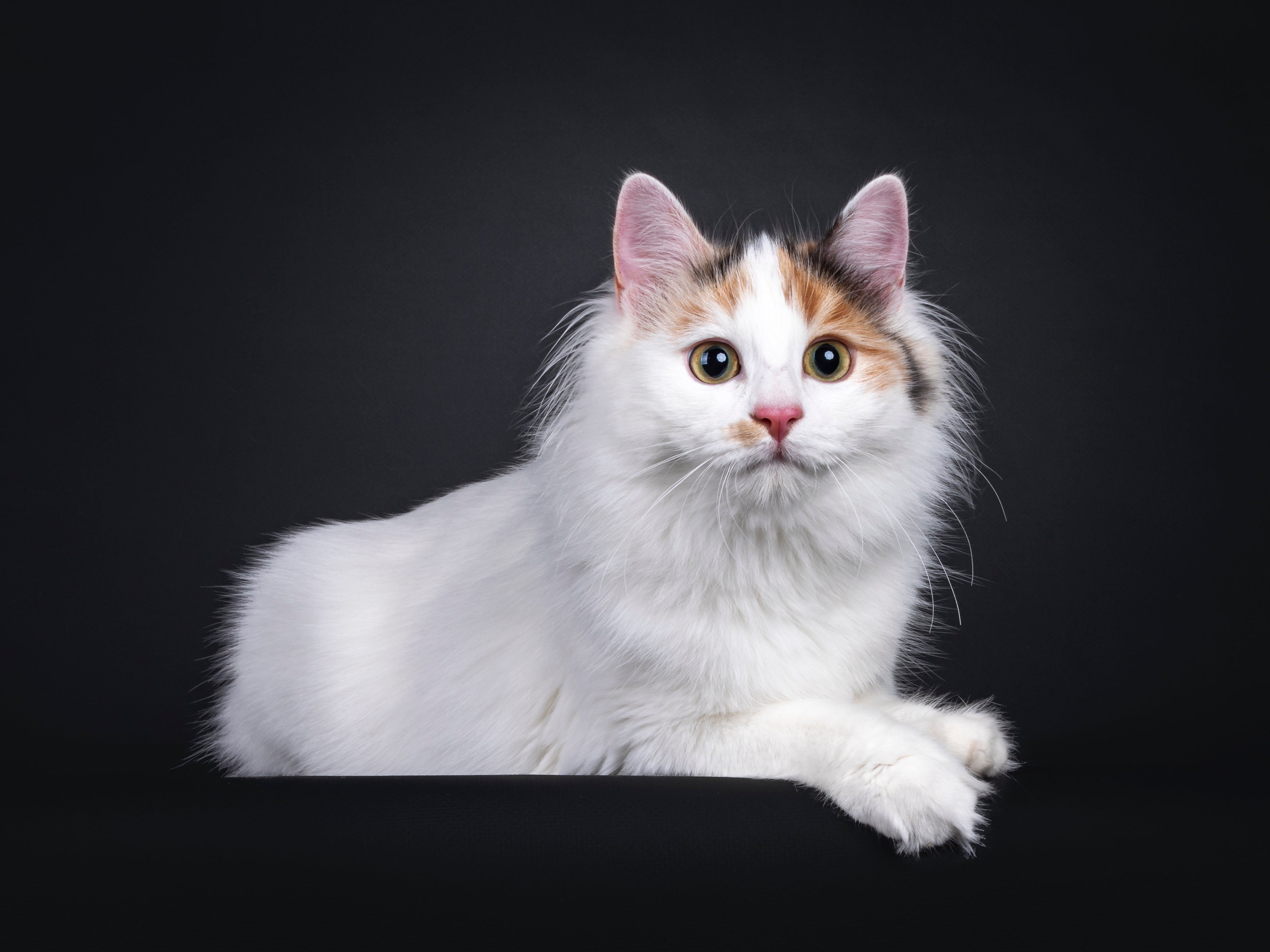
Quick to greet guests and happy to follow family members from room to room, these cats thrive on companionship. Many learn to retrieve toys and respond to their names much like a devoted canine.
2. Intelligence
Curious problem-solvers, they investigate cupboards, open doors, and master puzzle feeders with ease. Mental stimulation in the form of rotating toys or clicker-training sessions keeps boredom at bay.
3. Activity Level
Expect lively bursts of energy—vaulting to high shelves, sprinting down hallways—balanced by long, contented naps. A sturdy cat tree and regular playtime help channel their athleticism constructively.
Care Requirements
A little planning ensures a healthy, happy life:
1. Diet
Offer a balanced, age-appropriate diet rich in animal protein. Fresh water should always be available, even if your Van occasionally prefers paddling in the bowl.
2. Grooming
A quick brush once or twice a week removes loose hair and reduces shedding. Because the coat is water-resistant, baths are rarely necessary unless the cat rolls into something messy.
3. Exercise
Interactive wands, feather toys, and climbing structures satisfy their need for movement. Rotate toys regularly to maintain interest and prevent couch-potato habits.
4. Health Care
Routine vet visits, up-to-date vaccinations, and periodic dental checks form the backbone of preventive care. Although generally robust, monitoring weight and kidney health is wise as the cat matures.
Conclusion
With its glistening coat, playful spirit, and affectionate heart, the Turkish Van makes a delightful addition to active households willing to share time, space, and plenty of toys. Provide consistent care, and this captivating companion will reward you with years of loyal friendship and entertaining antics.
Future Research
Areas that could deepen our understanding of the breed include:
– Genetic mapping to clarify coat-color inheritance and identify any hereditary conditions.
– Long-term studies on nutrition, exercise, and environmental enrichment relative to lifespan and vitality.
– Behavioral research exploring social bonding patterns between Turkish Vans, humans, and other pets.
Expanding knowledge in these directions will help guardians offer ever-better care while celebrating the enduring charm of the Turkish Van cat.