


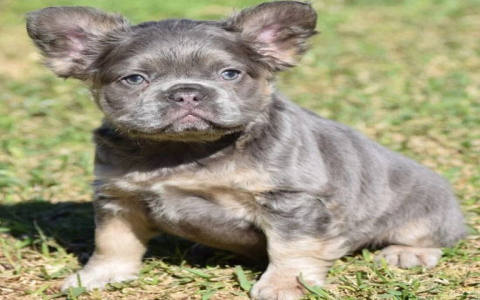

Fluffy Bulldog Adoption Guide: Finding the Ideal Companion
Introduction
The fluffy bulldog, celebrated for its cuddly looks and calm personality, has captured hearts across the globe. If you are thinking of welcoming one into your home, this guide offers balanced, practical advice to help you choose responsibly. We will look at the breed’s background, typical traits, common health considerations, and how to identify ethical sources.
The History of the Fluffy Bulldog
This variety emerged in the late twentieth century when breeders sought a companion dog that blended the sturdy charm of traditional bulldogs with a softer, longer coat. By carefully selecting for temperament and coat texture, they produced an affectionate family pet that retains the beloved bulldog spirit while sporting an extra-fluffy exterior.
Characteristics of the Fluffy Bulldog
Appearance
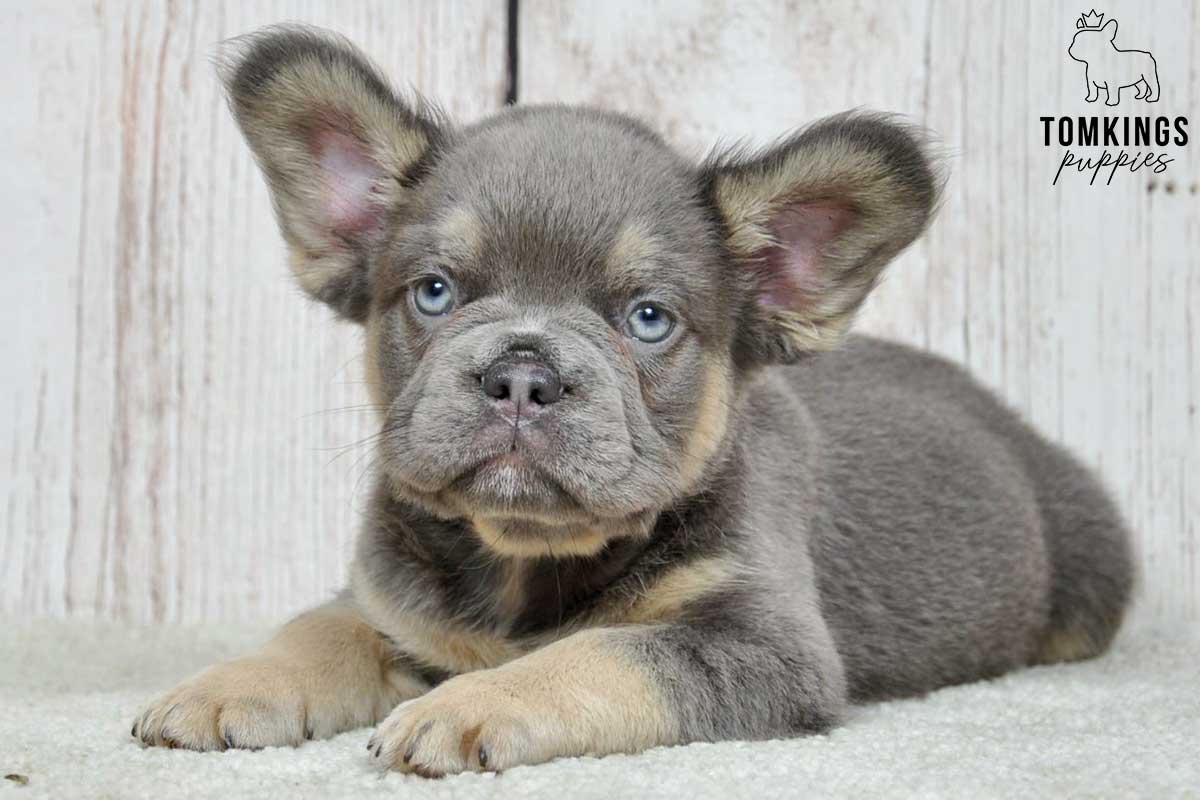
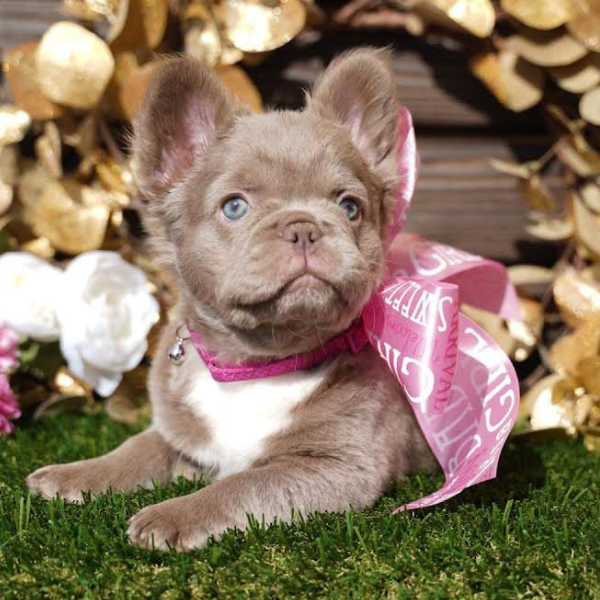
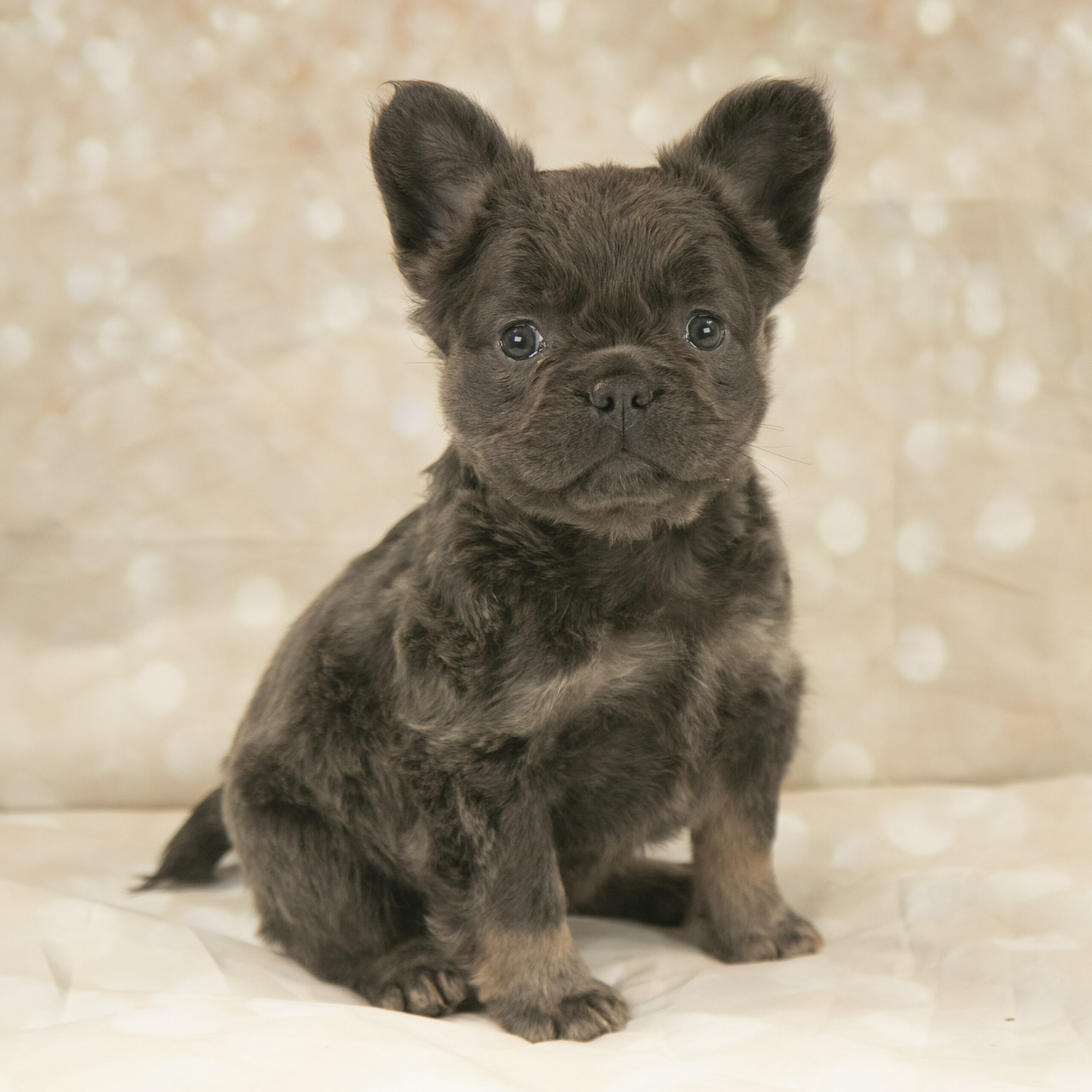
Fluffy bulldogs present a compact, muscular frame wrapped in a plush, medium-length coat. Colors range from warm fawn and rich brindle to crisp white patches. Their broad head, rounded dark eyes and small, rose-shaped ears give them an endearing, almost teddy-bear expression.
Temperament
These dogs are typically gentle, people-oriented and patient with children. They adapt well to apartment life, preferring short play sessions followed by long naps beside their favorite humans. Early positive experiences help them stay confident and polite around other pets.
Health Concerns
Like any breed, fluffy bulldogs can face certain health challenges. Prospective owners should be aware of:
– Joint issues: compact bodies can stress developing hips and knees.
– Skin sensitivities: the dense coat may trap moisture, so regular grooming and veterinary skin checks are wise.
– Respiratory considerations: any bulldog type can inherit narrowed airways; keeping them cool and avoiding over-exertion reduces risk.
Choosing a responsible source that screens breeding stock for these conditions is the best preventive step.
Finding a Responsible Source
Whether you work with a registered breeder or adopt through a rescue, look for these positive signs:
– Willingness to share health documentation and lineage details.
– Clean, stimulating living conditions for both pups and parent dogs.
– Lifetime take-back policy and ongoing guidance for new owners.
– Transparent answers to all questions, with no pressure to decide quickly.
Visit the premises, meet at least one parent if possible, and request references from previous adopters or veterinarians.
The Importance of Early Socialization
A well-socialized puppy grows into a relaxed, trustworthy adult. Begin by:
– Introducing a variety of friendly people, gentle dogs, and safe environments during the first three months.
– Rewarding calm exploration of new surfaces, sounds and handling routines.
– Enrolling in positive-reinforcement training classes that emphasize fun and cooperation.
Consistent, kind exposure builds the confidence that defines a balanced fluffy bulldog.
Conclusion
With their soft coats and softer hearts, fluffy bulldogs make devoted companions for households ready to provide moderate exercise, routine grooming and plenty of affection. By learning about the breed, selecting a conscientious source and investing in early socialization, you set the stage for years of loyal friendship.
Future Research
Ongoing studies into exercise tolerance, coat genetics and lifespan will help refine care guidelines and support even healthier generations of fluffy bulldogs. Supporting breed clubs that fund open-data health research benefits every dog and owner alike.