




What Is a Pup: A Gentle Guide to Puppy Growth
Introduction
The word “pup” brings to mind a young dog discovering the world. This short guide walks through the journey from birth to mature companion, highlighting the milestones, influences, and gentle lessons that shape every puppy’s life.
The Stages of Puppy Development
Birth to 2 Weeks
Newborn pups arrive blind, deaf, and unable to keep warm on their own. They snuggle close to their mother and littermates, drinking milk and sleeping in round-the-clock cycles that build early bonds.
2 to 4 Weeks
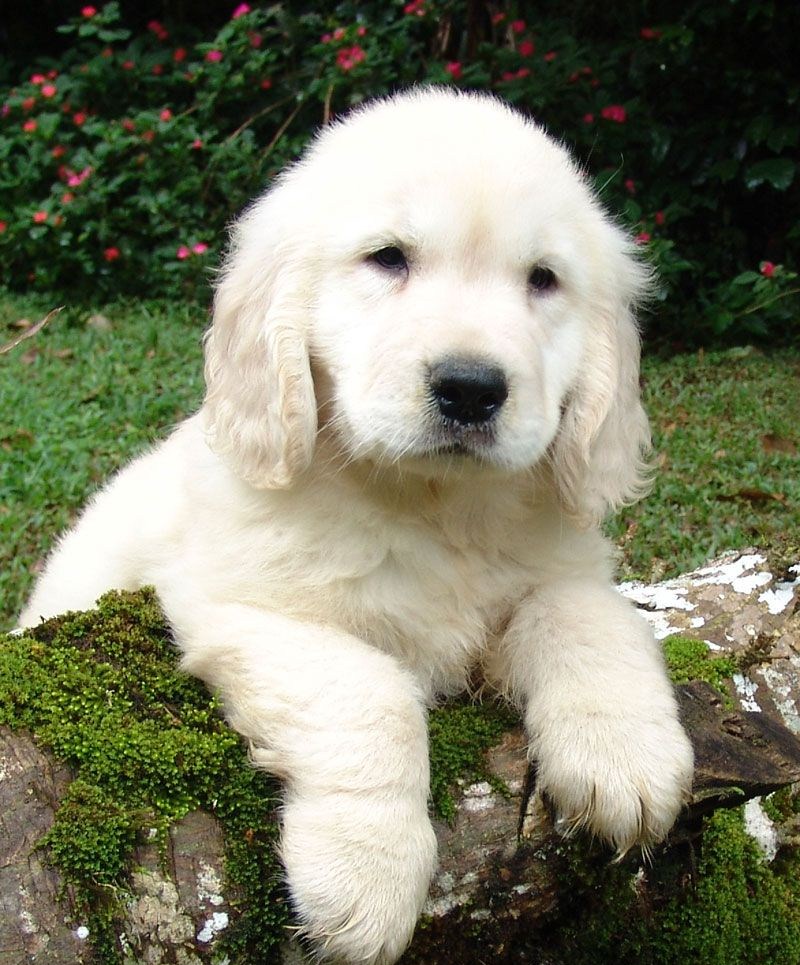
Eyes and ears open, revealing light, motion, and sound. Wobbly legs learn to crawl, then stand, as puppies mouth one another in the first lessons of canine conversation. Mom begins to offer tastes of softened food, though milk still supplies most nourishment.
4 to 8 Weeks
This is the heart of social learning. Novel sights, gentle handling, and friendly encounters with different people and calm animals lay the groundwork for confidence. Tiny teeth appear, inviting chew toys and gentle guidance.
8 to 12 Weeks
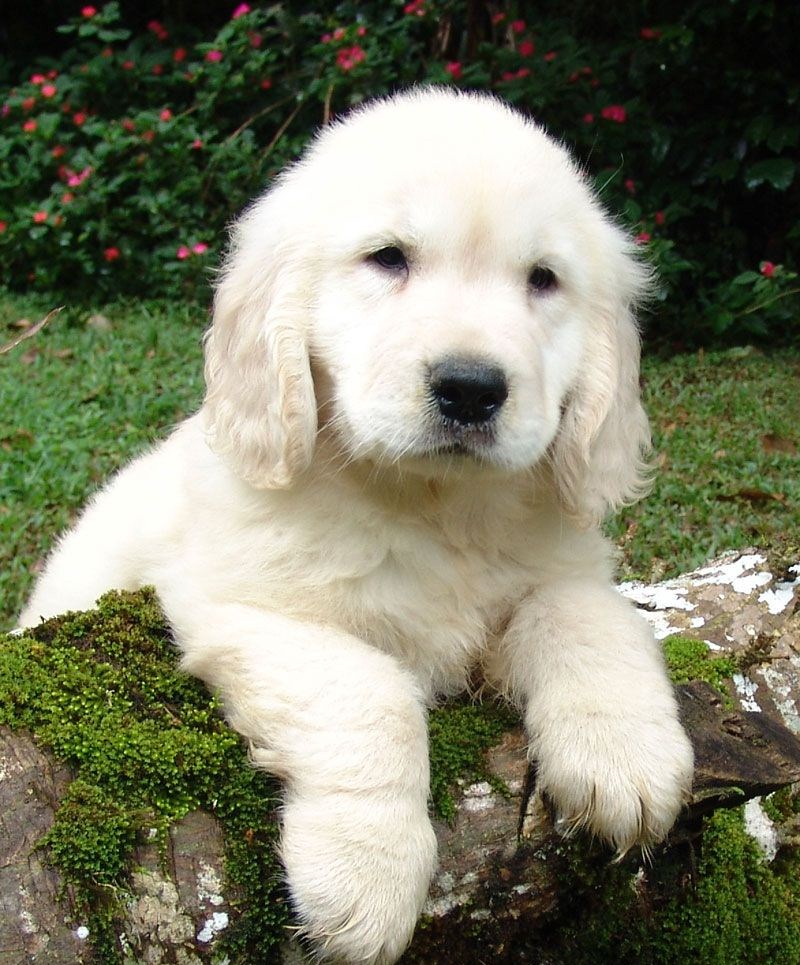
Ready to join new households, puppies race through growth spurts. Ears sharpen, noses refine, and routines of house-training, name recognition, and positive rewards begin. Consistency and kindness now prevent confusion later.
3 to 6 Months
Adolescence arrives with longer legs and bolder curiosity. Energy peaks, boundaries are tested, and clear, patient coaching turns exuberance into good manners. Daily walks, games, and rest balance body and mind.
6 to 12 Months
Most physical growth is complete, yet the brain keeps fine-tuning experiences into habits. Reinforcing calm behavior, introducing new places, and maintaining veterinary check-ups help the young dog mature into a steady friend.
The Role of Genetics and Environment
Genetics

Each breed carries its own script for size, coat, and typical temperament. While genes set possibilities, they do not write the final story; upbringing holds the pen that finishes each chapter.
Environment
A calm home, steady routines, wholesome food, and affectionate guidance nurture resilience. Positive early experiences weave a safety net against future stress, helping pups greet the world with wagging tails rather than worried eyes.
The Importance of Early Socialization
Gentle exposure during the early months pays lifelong dividends. Meeting friendly strangers, hearing household sounds, and walking on different surfaces teach puppies that change is safe. Benefits include:
– Easier relaxation in new places

– Fewer fear-based reactions
– Smoother vet visits and grooming sessions
– Quicker learning of new cues and games
Conclusion
Watching a pup grow is a reminder that time, patience, and kindness shape living beings. By honoring each developmental window and offering steady love, we guide puppies toward becoming balanced, joyful companions.
Recommendations and Future Research

Continued observation can deepen our shared knowledge. Useful avenues include:
– Long-term studies on how varied social experiences affect adult behavior
– Exploration of daily household stimuli and their influence on stress resilience
– Breed-neutral investigations into growth patterns and learning speed
Such inquiry will keep improving the way we welcome and raise the next generation of four-legged family members.