


The Ethical Implications of Animal Testing Advocacy
Introduction
Animal testing, long embedded in scientific research and product development, continues to generate heated debate. Among the voices calling for change, one prominent animal-rights group stands out for its outspoken criticism. This article explores that organization’s position, the ethical questions it raises, and the wider conversation about balancing scientific progress with compassion toward animals.
What Is Meant by “Animal Testing Advocacy”?
The advocacy group, established several decades ago, campaigns globally for humane treatment of animals. Its stance against laboratory use of animals argues that such practices are often inhumane, increasingly unnecessary, and scientifically unreliable because of biological differences between species.
Ethical Concerns
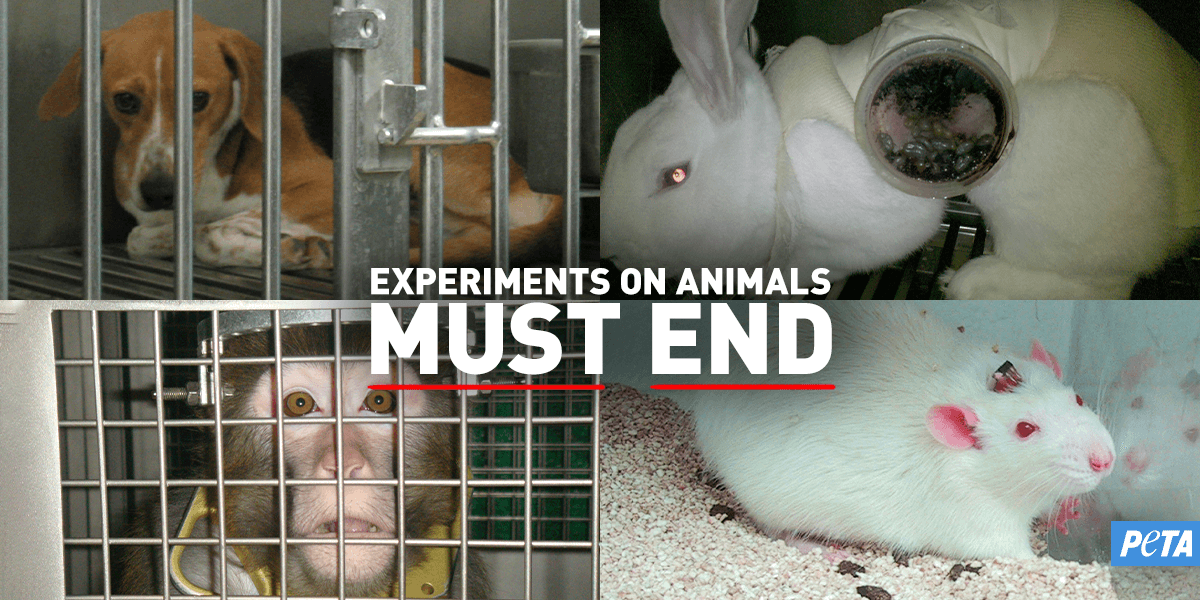
A central ethical worry is the pain and distress experiments can inflict. Procedures may include repeated dosing, surgery, or exposure to harmful substances, leading to prolonged suffering. Advocates contend that modern techniques—such as cell cultures or advanced computer modeling—can replace many of these trials.
Another concern is questionable relevance to human health. Data gathered from other species frequently fail to translate accurately to people, raising doubts about safety, efficacy, and the wise use of research funds.
Scientific Evidence
Reviews of drug development success rates reveal that a notable share of compounds showing promise in animal studies later fall short in human trials, underscoring predictive limitations. Additionally, expert panels have urged the scientific community to pivot toward approaches that more closely mimic human biology, noting that newer tools can offer faster, cheaper, and more reliable answers.
Alternative Methods
Supporters of change promote several strategies: cell-based tests, organ-on-chip devices, sophisticated computer simulations, and carefully monitored micro-dosing in human volunteers. These options can accelerate discovery while reducing both cost and moral concern.
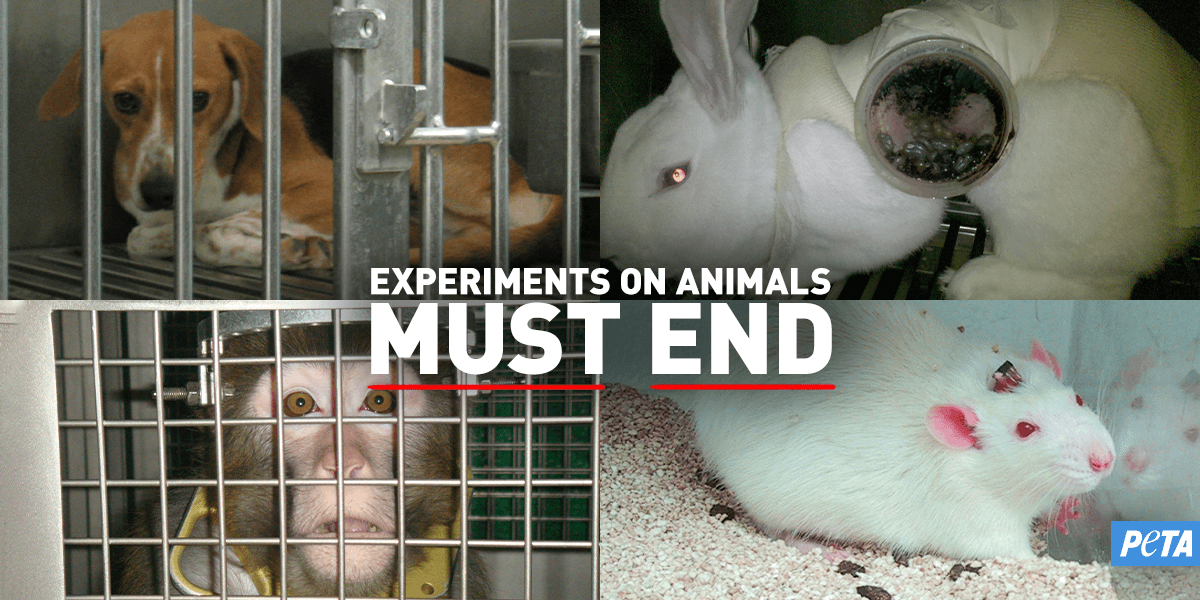
For instance, lab-grown human tissues can reveal how a chemical affects real human cells, and predictive algorithms can flag toxicity long before a physical trial would begin.
Public Opinion
Surveys suggest rising discomfort with animal use, especially for everyday items such as cosmetics or household cleaners. A clear majority of respondents favor replacing animal tests wherever possible, indicating growing societal support for humane science.
Conclusion
The debate surrounding animal testing has moved beyond simple “for or against” arguments toward practical, ethical innovation. While traditional testing contributed to past breakthroughs, its shortcomings and moral costs invite a shift to more human-relevant techniques. Embracing compassionate alternatives can sustain scientific advancement while respecting animal welfare.
Recommendations and Future Research
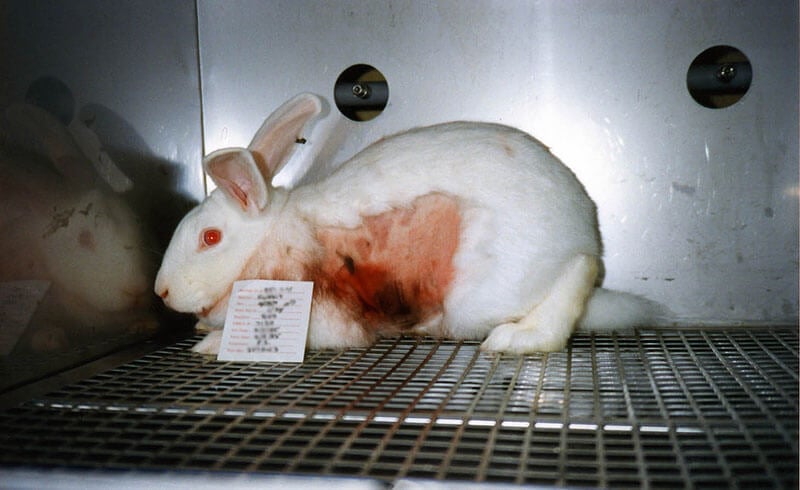
To advance this transition, stakeholders can:
1. Fund refinement and validation of non-animal methods.
2. Integrate accepted alternatives into regulatory guidelines and industry practice.
3. Expand educational outreach on the benefits of modern test methods.
4. Support comparative studies that measure the performance of new tools against conventional approaches.
Future research should concentrate on:

1. Long-term human health outcomes linked to alternative testing strategies.
2. Economic analyses comparing overall costs of traditional versus new methodologies.
3. Continuous innovation to create even more accurate, animal-free testing platforms.