


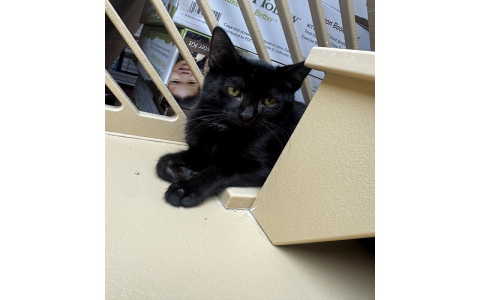

Local Kittens: A Friendly Guide to Welcoming a New Cat into Your Life
Introduction
Bringing a kitten home is both thrilling and a little daunting. With so many paths to choose, it helps to pause and weigh what matters most. One gentle route is to look nearby, where kittens are raised within your own community. This guide walks you through the perks of choosing a neighborhood kitten, how to find a trustworthy source, and the basics of early care so your new companion starts life on the right paw.
The Perks of Choosing Nearby
Supporting Neighborhood Enthusiasts
When you adopt close to home, you support small-scale caretakers who often treat every litter like family. Your choice keeps knowledge, passion, and resources circulating locally, encouraging ethical standards and happy, well-socialized kittens.

Health and Transparency
Nearby caregivers usually welcome visits, letting you see the living conditions, meet the mother cat, and review health notes in person. This openness makes it easier to spot clean environments, bright eyes, and playful temperaments—signs of a strong start in life.
Personalized Attention
Smaller groups mean each kitten receives daily handling, early play sessions, and gentle exposure to household sounds. By the time you arrive, many have already experienced children, other pets, and the vacuum cleaner, smoothing the transition to your own home.
Where to Look
Trusted Online Networks

Community groups dedicated to pets often post availability updates. Search for pages moderated by long-time members, read recent reviews, and arrange video calls before visiting in person. A genuine caregiver will happily answer questions about diet, vet checks, and socialization routines.
Neighborhood Pet Boutiques
Some small shops partner with local foster homes to showcase kittens on site. Ask staff about the kitten’s daily routine, vaccination record, and whether a vet has performed an initial exam. Reputable stores gladly share paperwork and offer a short health warranty.
Personal Recommendations
Veterinary clinics, dog-walking friends, or colleagues who already own cats can point you toward responsible households with planned litters. A personal endorsement often leads to relaxed meetings in a home environment where you can observe true personalities.
Early Care Essentials
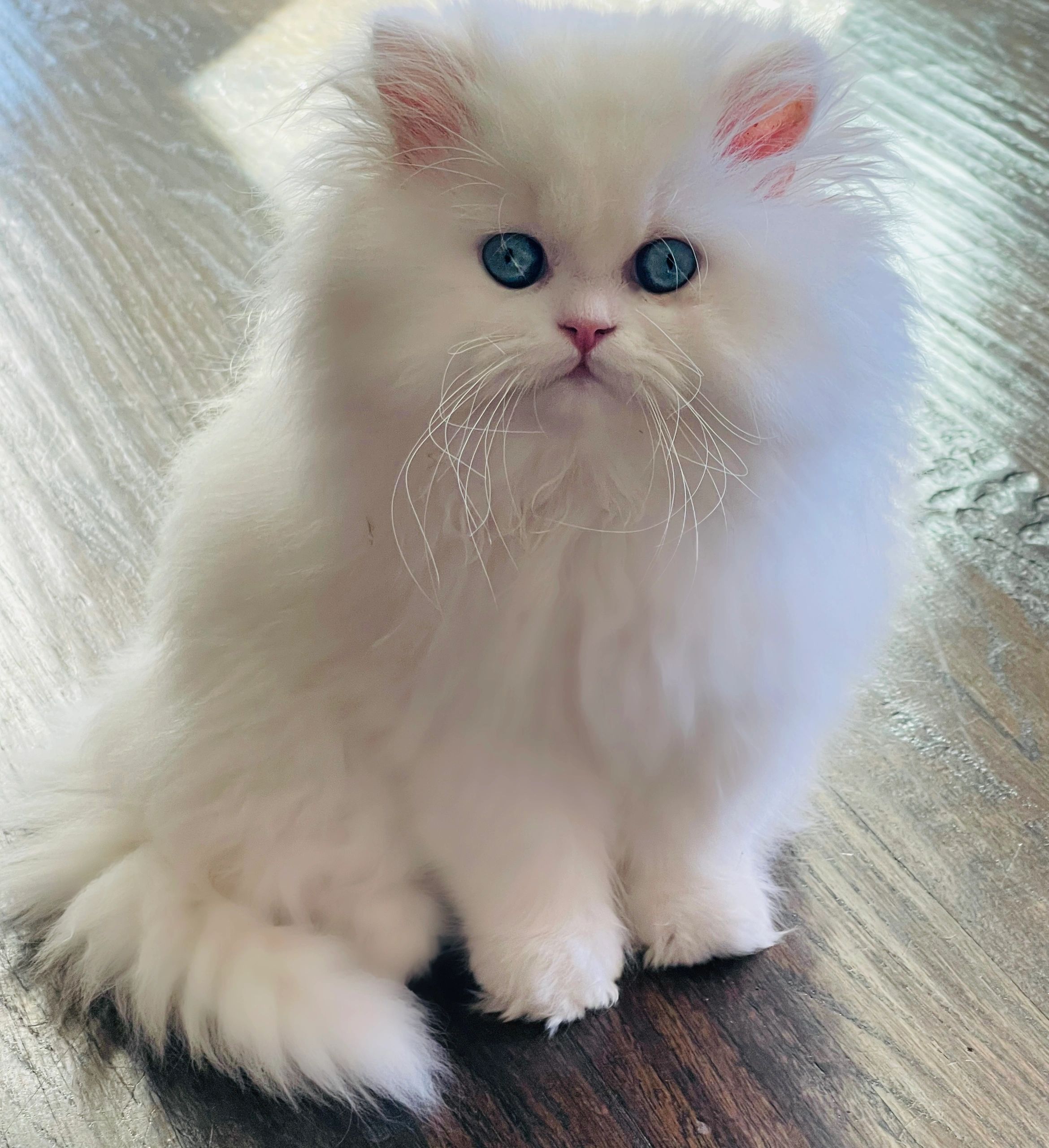
Balanced Meals
Growing kittens need plenty of protein and essential nutrients. Choose age-appropriate food recommended by your veterinarian, divide daily portions into small, frequent meals, and always provide fresh water. Avoid sudden diet changes to prevent tummy upsets.
Veterinary Support
Schedule an initial check-up within the first week. Discuss core vaccines, parasite prevention, and the ideal time for spay or neuter surgery. Keep a folder—digital or paper—of all visits so you can track weight, shots, and any minor concerns.
Gentle Socialization
Introduce new experiences gradually: different rooms, friendly visitors, and a variety of toys. Reward brave behavior with soft praise or a feather chase. Short, positive sessions build confidence and reduce skittishness later in life.
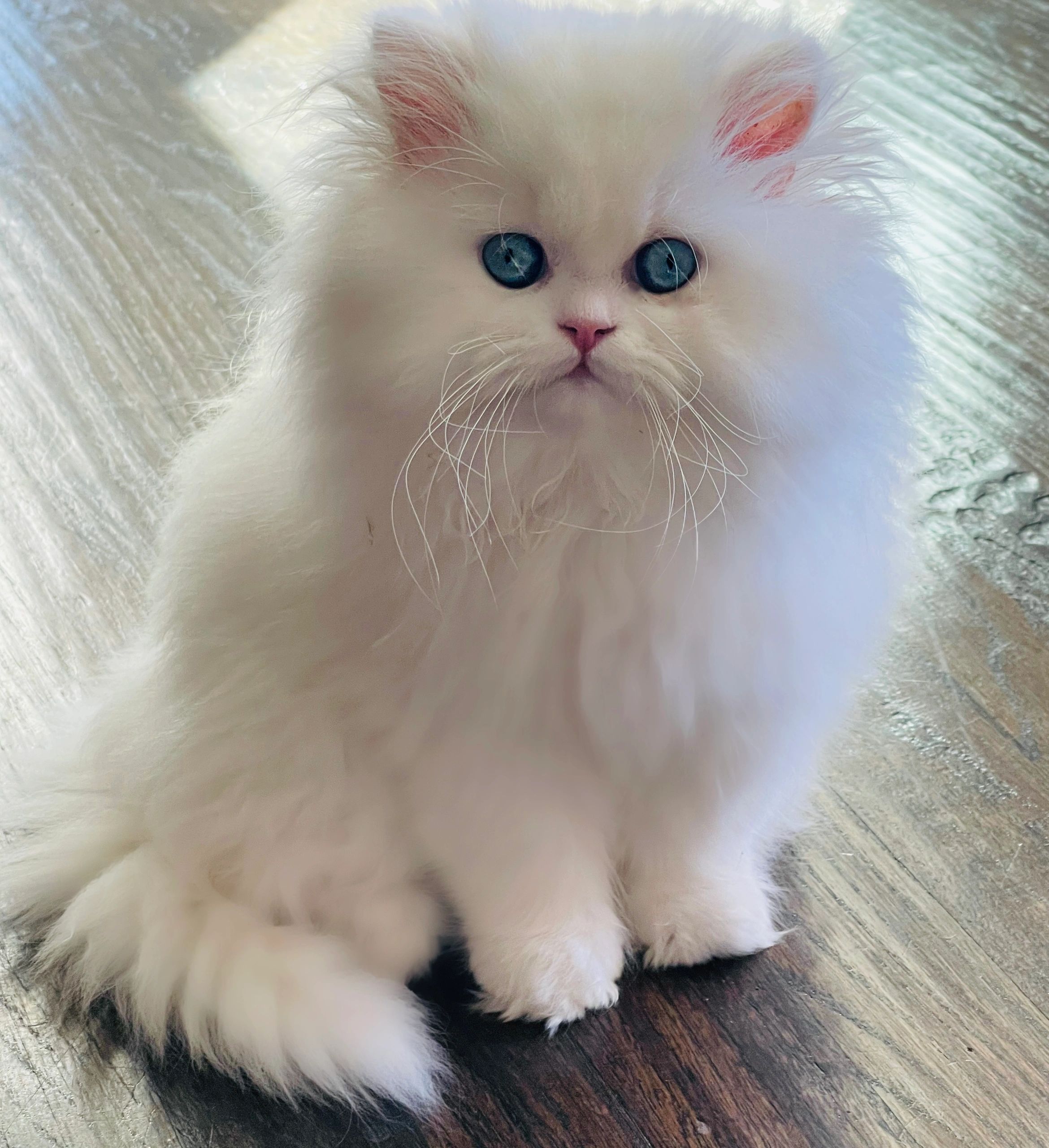
Coat and Claw Care
Brush short-haired kittens weekly and long-haired breeds more often to prevent tangles. Trim the very tip of each claw every couple of weeks using a small feline nail clipper, and peek inside ears for excess wax. Make each session calm and brief, ending with a cuddle or treat.
Conclusion
Searching nearby for your kitten can lead to a healthy, well-adjusted friend while strengthening community ties. By visiting caregivers, asking thoughtful questions, and preparing your home with proper food, vet care, and gentle guidance, you set the stage for years of companionship. The moment a tiny paw presses against your hand, you’ll know the journey was worth every careful step.