



The Impact of Two Popular Breeds: A Comprehensive Analysis
Introduction
The canine world is rich and varied, with hundreds of breeds displaying unique traits and personalities. Among them, the strong, athletic type often labeled as the “bull-type” terrier and the charming, flat-faced companion commonly called the Pug stand out for their contrasting looks and temperaments. This article explores the background, characteristics, and societal influence of these two dogs, highlighting how history, behavior, and culture shape their modern image.
The Origin of the Bull-Type Terrier
The Bull-Type Terrier
During the late 1800s, breeders in several countries crossed terriers with bulldog-type dogs to produce an agile, powerful animal suited for gripping sports. Over time, these dogs transitioned from pit arenas to family homes, where strength, intelligence, and devotion became their trademark qualities. Today, many enthusiasts emphasize that gentle, affectionate behavior is the norm when the dogs are raised in a stable environment.

The Pug
The Pug’s story begins in ancient Asia, where flat-faced toy dogs lounged in imperial palaces. Traders eventually carried the breed along trade routes, and European courts embraced it as a symbol of warmth and prestige. Compact, curly-tailed, and irresistibly expressive, the Pug has spent centuries winning hearts with its sociable, even-tempered nature.
Characteristics of Both Breeds
The Bull-Type Terrier
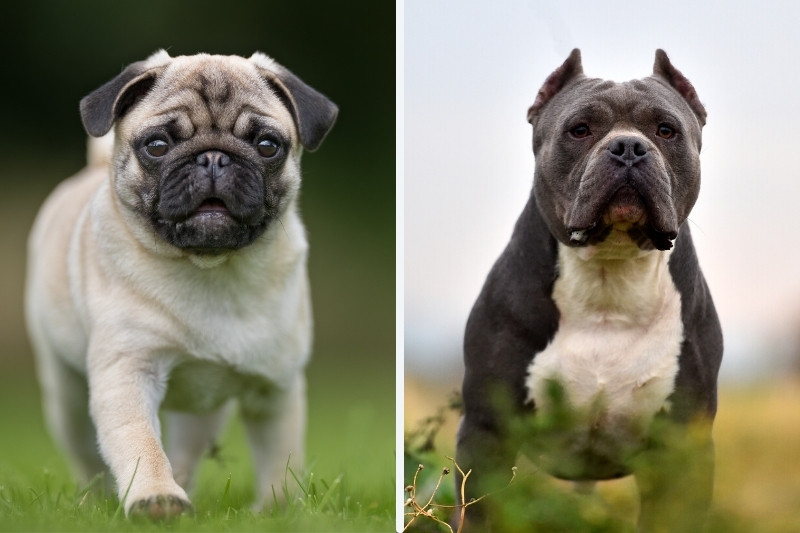
These dogs display a solid, athletic frame, broad skull, and short, glossy coat. Courage and loyalty are hallmarks, yet their determination can tip into stubbornness. Early socialization, consistent guidance, and plenty of mental exercise help channel their energy into confident, well-mannered companionship.
The Pug

Pugs pack a big personality into a small, cobby body. Their wrinkled forehead and curled tail give them instant recognition, while their even disposition makes them ideal city or suburb pets. Owners should note that the shortened muzzle can lead to snoring and heat sensitivity, so moderate exercise and cool resting spots are important.
The Impact of Both Breeds on Society
The Bull-Type Terrier
Media reports sometimes spotlight negative incidents involving dogs of this phenotype, fueling public wariness and prompting restrictions in certain regions. Advocates counter that behavior reflects upbringing more than genetics, and they push for education focused on ethical breeding, training, and supervision.
The Pug
Pugs have surged in popularity thanks to their photogenic faces and cheerful demeanor. Marketing campaigns, viral videos, and celebrity ownership have turned the breed into a cultural icon of companionship and lighthearted fun. Their adaptability to apartment life and affection toward children continue to broaden their appeal.

The Role of Both Breeds in Film and Media
The Bull-Type Terrier
Hollywood has cast these dogs in two lights: intimidating guardians and unlikely heroes. While some storylines exploit their powerful image, other productions showcase loyalty and gentleness, helping audiences see beyond stereotypes and appreciate the individual dog’s character.
The Pug
From animated classics to modern sitcoms, Pugs frequently appear as comedic sidekicks or lovable scene-stealers. Their expressive eyes and snuffling sounds translate well on screen, making them natural choices for brands that want to evoke warmth and humor.
The Importance of Responsible Ownership

The Bull-Type Terrier
Any powerful breed thrives under committed care: early social exposure, reward-based training, secure fencing, and routine veterinary attention. Spaying or neutering, mental enrichment, and clear household rules further reduce risk and nurture a balanced pet.
The Pug
Pug guardians must monitor weight, protect against overheating, and clean facial folds to prevent irritation. Regular checkups can catch breathing or joint issues early, while measured meals and gentle walks keep these compact companions fit and happy.
Conclusion
Though they sit at opposite ends of the size and strength spectrum, the bull-type terrier and the Pug both enrich human lives when matched with informed, caring owners. By appreciating each breed’s history, needs, and potential, society can move past sweeping generalizations and celebrate the joy these dogs bring to homes around the world.
Future Research
Continued studies on genetics, early development, and environment will deepen our understanding of behavior in both breeds. Investigations into training methods, public education campaigns, and community-based responsible-ownership programs can further promote safe, harmonious relationships between people and their four-legged friends.