




The Enigmatic Cat-Bunny Blend: A Look at Imaginary Companions
Introduction
Stories of blended animal companions have long sparked daydreams and sketchbooks. Among the most whimsical ideas is a creature that carries the softness of a rabbit and the curiosity of a cat. This article explores the fantasy of such a blend—its imagined beginnings, made-up traits, and the gentle lessons it offers about responsible pet care. By treating the concept playfully, we can celebrate creativity while remembering the real needs of the animals already sharing our homes.
Origins of the Cat-Bunny Idea
The notion of a “bunny-cat” first bounced into popular culture through children’s books and online art forums. Rather than true crossbreeding, the idea grew from artists who wondered what would happen if a kitten’s whiskers met a bunny’s hop. Over time, fan illustrations and short stories kept the daydream alive, turning it into a comforting symbol of friendship across differences.
Characteristics of the Imaginary Blend
Physical Appearance
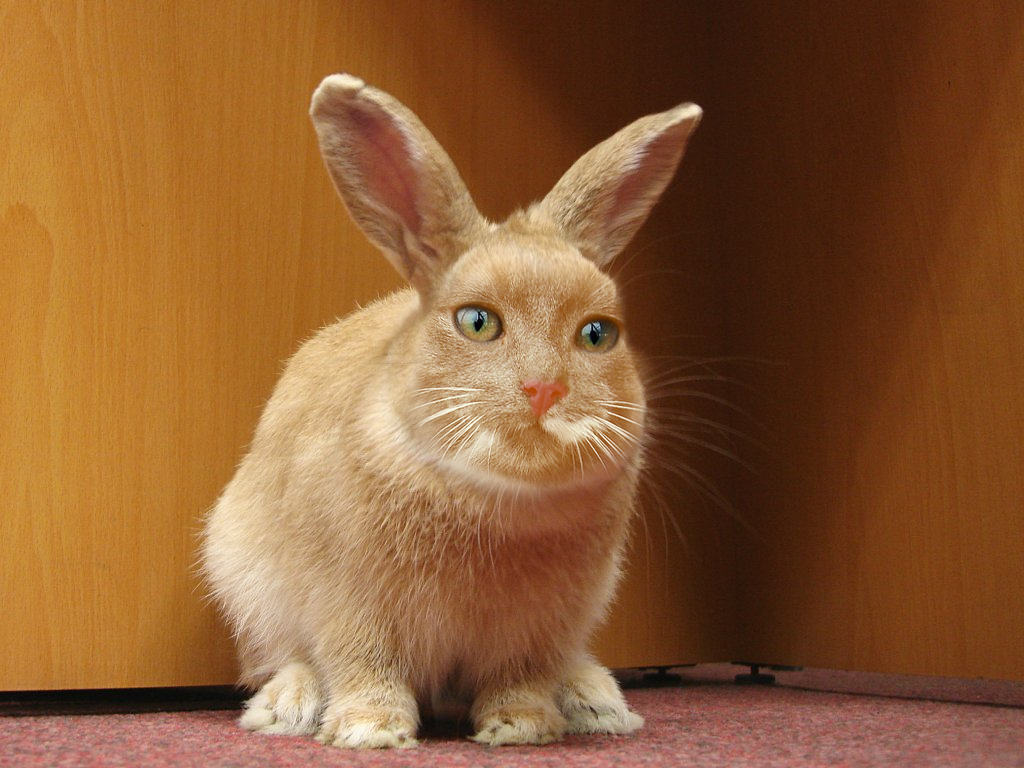
In doodles and plush toys, the fantasy creature keeps a cat’s flexible tail and bright eyes, while sporting long, expressive ears and extra-fluffy hind legs. Colors range from calico patches to gentle agouti browns, depending on whichever real rescue pet served as the artist’s model.
Temperament
Storybook bunny-cats are drawn as calm listeners who enjoy quiet laps yet surprise everyone with sudden joyful leaps. They curl up like cats when the house grows still, then perform happy binkies the moment someone unwraps a new toy, reminding families that gentleness and play can share the same heartbeat.
Care Requirements
Because the animal is fictional, caring for it becomes a playful exercise in learning about two separate species. Children quickly discover that real rabbits need unlimited hay and safe hopping space, while cats require vertical climbs and predictable routines. Imagining a blend encourages future adopters to research both pets before choosing one that truly fits their lifestyle.

Challenges and Opportunities of the Daydream
Challenges
The biggest hurdle is remembering that actual cats and rabbits cannot be merged. Hoping for a single “perfect” pet sometimes delays adoption of wonderful, existing animals waiting in shelters. Separating fantasy from fact protects both people and pets from disappointment.
Opportunities
Embracing the story invites creativity: kids write comic strips, vets visit classrooms to explain real anatomy, and shelters host “Draw Your Dream Pet” fundraisers. The shared laughter builds community, raises donations, and directs attention toward adoptable rabbits and cats who already boast delightful, individual quirks.
The Role of Gentle Education
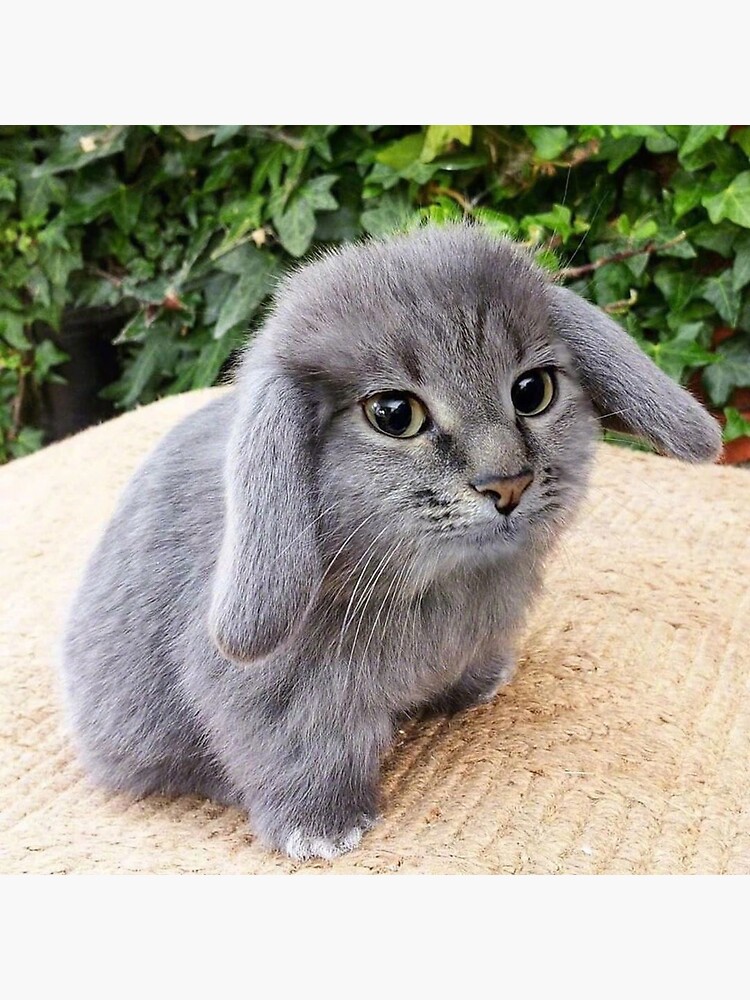
Teachers and librarians use the bunny-cat legend to introduce lessons on genetics, empathy, and responsible ownership. By comparing imagined traits with genuine feline and lagomorph needs, students practice critical thinking and develop respect for biological limits.
Case Studies and Expert Observations
Case Study 1: The Story of a Classroom Mascot
A primary school adopted two separate pets—an elderly rabbit named Marble and a shy tabby called Skip—after students doodled countless mash-ups. The class created a shared journal, recording how each real animal displayed “bunny-cat moments”: Marble flopped contentedly on a cushion while Skip watched birds, both peaceful yet distinct. Their teacher noted improved empathy scores and reduced playground conflicts.
Expert Observation
A local veterinarian remarked, “When children learn that two species can coexist happily without being merged, they also learn that friendships do not require sameness. That insight extends to how they treat classmates who seem different.”
Conclusion
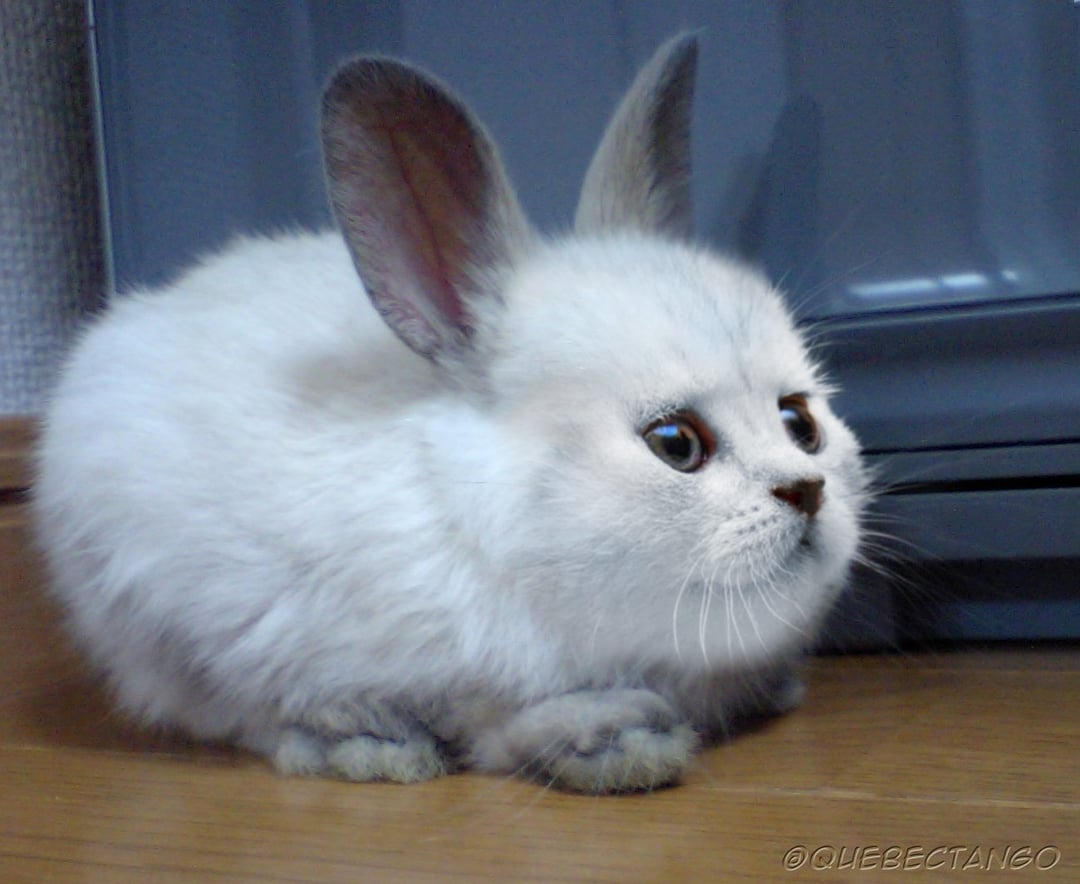
The bunny-cat fantasy remains a charming reminder that imagination and responsibility can walk paw-in-paw. By celebrating the idea while honoring the real cats and rabbits in our midst, families cultivate creativity, compassion, and informed pet care. The next time someone sketches long ears on a kitten, let it inspire a visit to the nearest shelter, where countless unique companions wait to leap—or hop—into loving homes.
Recommendations and Future Exploration
Parents and educators are encouraged to channel the blend’s popularity into art contests that benefit rescue groups, story hours that pair fictional tales with facts, and adoption events that highlight individual animals. Future classroom projects might compare dietary charts, measure jump distances, or design enrichment toys, ensuring the daydream always circles back to tangible help for pets already breathing, wagging, and purring beside us.