




Australian Terrier for Adoption: A Comprehensive Guide
Introduction
The Australian Terrier, appreciated for its compact frame, keen watchfulness, and warm-hearted personality, has won the hearts of dog lovers worldwide. Yet the day-to-day realities of sharing life with this spirited breed are sometimes overlooked. This guide walks you through the essentials of adopting an Australian Terrier—from background and temperament to daily care and the adoption journey—so you can decide with confidence whether this dog fits your lifestyle.
The History of the Australian Terrier
Developed in the British Isles and refined in Australia during the late 1800s, these tough little terriers were prized for keeping farms and ships free of rodents. Crossings among several British terrier types produced a resilient, travel-ready dog that could handle harsh climates. Over time, fanciers stabilized the breed’s look and spirit, and national kennel clubs later granted full recognition.
Characteristics of the Australian Terrier

Australian Terriers stand about ten inches at the shoulder and sport a harsh outer coat over a soft undercoat. Their trademark topknot adds a jaunty charm. Colours range from blue-and-tan to solid red or sandy. Beneath the attractive coat is a muscular, well-balanced dog built for agility and endurance.
Temperament
Lively, loyal and quick-witted, the Aussie Terrier forms strong bonds with its people. Early, consistent guidance channels its independence into good manners. Most individuals coexist happily with respectful children and other pets, though they may announce the arrival of strangers with bold barking.
Exercise Requirements
Moderate but regular activity keeps this breed mentally and physically fit. A brisk morning walk, an evening game of fetch, or scent-work games in a secure area usually suffice. Without daily outlets for energy, they can resort to digging or nuisance barking.
Grooming

Weekly brushing prevents tangles and removes dead coat. A quick tidy around the eyes, ears and paws every few weeks maintains a neat outline. Bathing is needed only when dirty; over-washing can soften the weather-resistant outer hairs.
Care Requirements
Sharing your life with an Australian Terrier means committing to daily enrichment, preventive healthcare and ongoing training. Meeting these core needs ensures a confident, content companion.
Diet
Offer portion-controlled meals formulated for small, active dogs. Splitting the daily ration into two feedings helps maintain steady energy and reduces the risk of hypoglycaemia. Fresh water should always be available.
Health

Schedule annual vet visits, keep vaccines and parasite control up to date, and monitor weight. Like many small breeds, they can develop joint or skin sensitivities; prompt attention to limping, scratching or coat changes keeps minor issues from escalating.
Training
Reward-based lessons work best. Short, upbeat sessions that end on a success keep the clever terrier engaged. Introduce novel sights, sounds and people during puppyhood to nurture a confident adult.
Adoption Process
Bringing home an Australian Terrier through a shelter or rescue group offers a dog a second chance and gives you a grateful friend. The steps below outline a typical path.
Research and Preparation

Evaluate your schedule, budget and living space. Read breed literature, talk to owners and visit dog shows or meet-ups to observe adult temperaments first-hand. Gather supplies—crate, leash, toys, grooming tools—before your new partner arrives.
Visit Shelters and Rescues
Spend time with available dogs in a quiet meet-and-greet room. Ask staff about observed behaviour, medical history and any special needs. Multiple visits reveal personality traits that a single walk may not show.
Complete the Adoption Process
Fill out the application, provide references and allow a home check if required. Pay the adoption fee, review medical records and schedule an initial vet exam within the first week. Transition slowly, offering predictable routines and plenty of positive reinforcement.
Conclusion
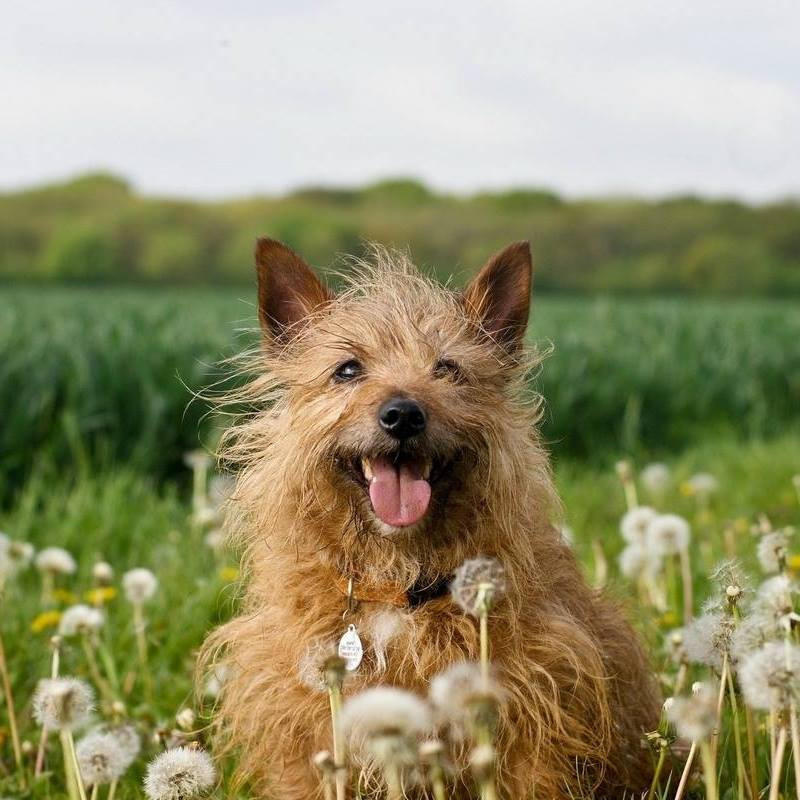
An adopted Australian Terrier can fill your days with laughter, loyalty and lively companionship. With realistic expectations, consistent care and affectionate guidance, you’ll gain a spirited friend who thrives as a cherished member of the family.
Future Research
Ongoing studies into genetics, behaviour and preventive care can further improve life for Australian Terriers. Topics worth exploring include:
– Identifying hereditary markers for common health concerns.
– Refining positive-training protocols tailored to the breed’s quick mind.
– Measuring the long-term benefits of early socialisation and enrichment.
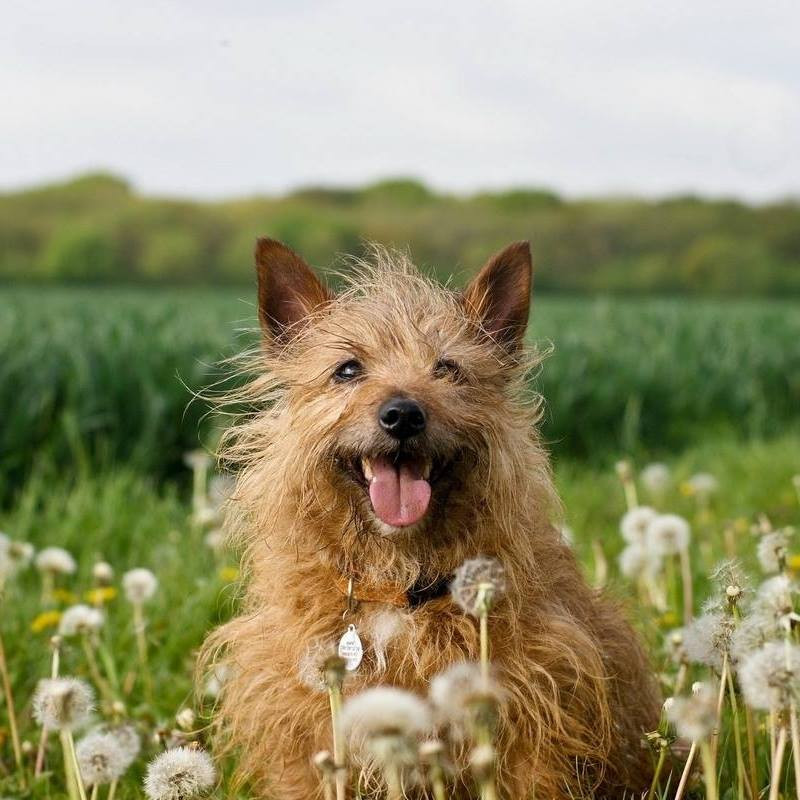
Continued inquiry will help guardians, vets and rescue groups keep these plucky terriers healthy, happy and well-loved for generations to come.