


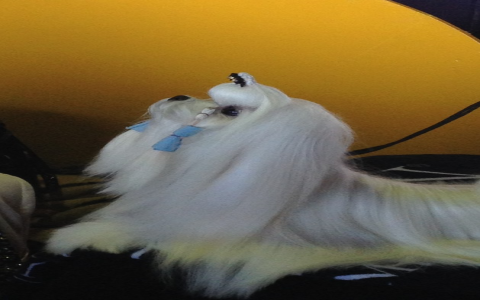

Title: Keeping Your Dog’s Coat Fresh and Healthy
Introduction:
A coat that looks oily can trouble many guardians of four-legged friends. Beyond looks, it may signal hidden skin imbalances and hygiene challenges. This short guide outlines why excess oil appears, what it means for daily comfort, and how gentle routines can restore a naturally glossy, odor-free coat.
Common Triggers of Overactive Oil Glands
Several everyday influences can shift skin from balanced to greasy. Recognising them is the first step toward gentle correction.
Nutrition
Meals that are very rich or lack key vitamins often prompt the skin to over-produce sebum. Occasional intolerances to common proteins or grains can also show up as dull, sticky fur.
Breed Tendencies
Some family lines naturally carry more active sebaceous glands. Knowing your companion’s typical coat type helps set realistic grooming goals rather than fighting nature.
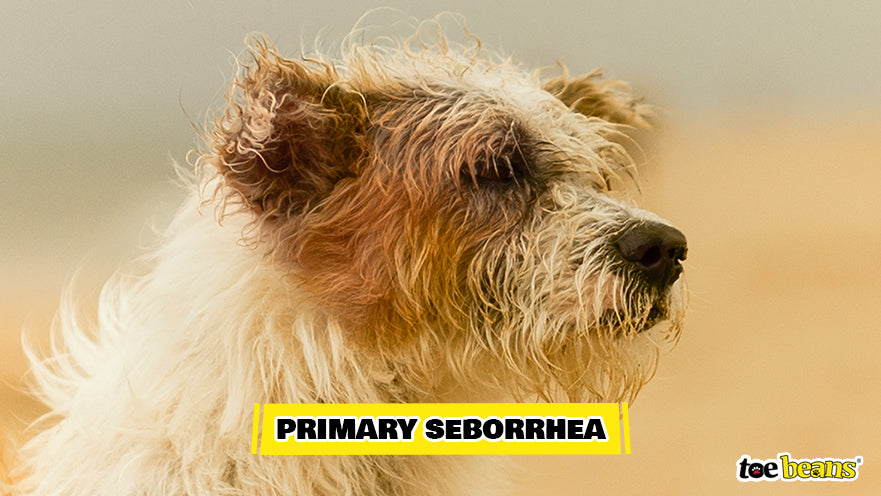
Skin Imbalances
Issues such as seborrhea, yeast overgrowth, or mild dermatitis disrupt normal oil flow, leaving a persistent waxy feel and sometimes a musty scent.
Season & Surroundings
Sticky summer air, sudden temperature swings, or urban dust can all stimulate extra oil as the skin tries to protect itself.
How Greasy Fur Affects Daily Life
When sebum builds up, the effects ripple beyond appearance.
Physical Comfort
Sticky coats trap pollen, dirt and hitch-hiking insects, raising the chance of itch, hot spots and recurrent ear rubbing.
Freshness Factor
Oil oxidation produces a characteristic “doggy” smell that lingers on bedding and furniture.
Mood & Behaviour
Constant pawing, rolling or rubbing against carpets can be a silent plea for skin relief.
Gentle Ways to Restore Balance
Fortunately, a few consistent habits usually bring noticeable improvement within weeks.
Thoughtful Feeding
Offer a complete, age-appropriate diet approved by your vet. Look for recipes fortified with omega oils and avoid frequent fatty table scraps.
Regular Coat Care
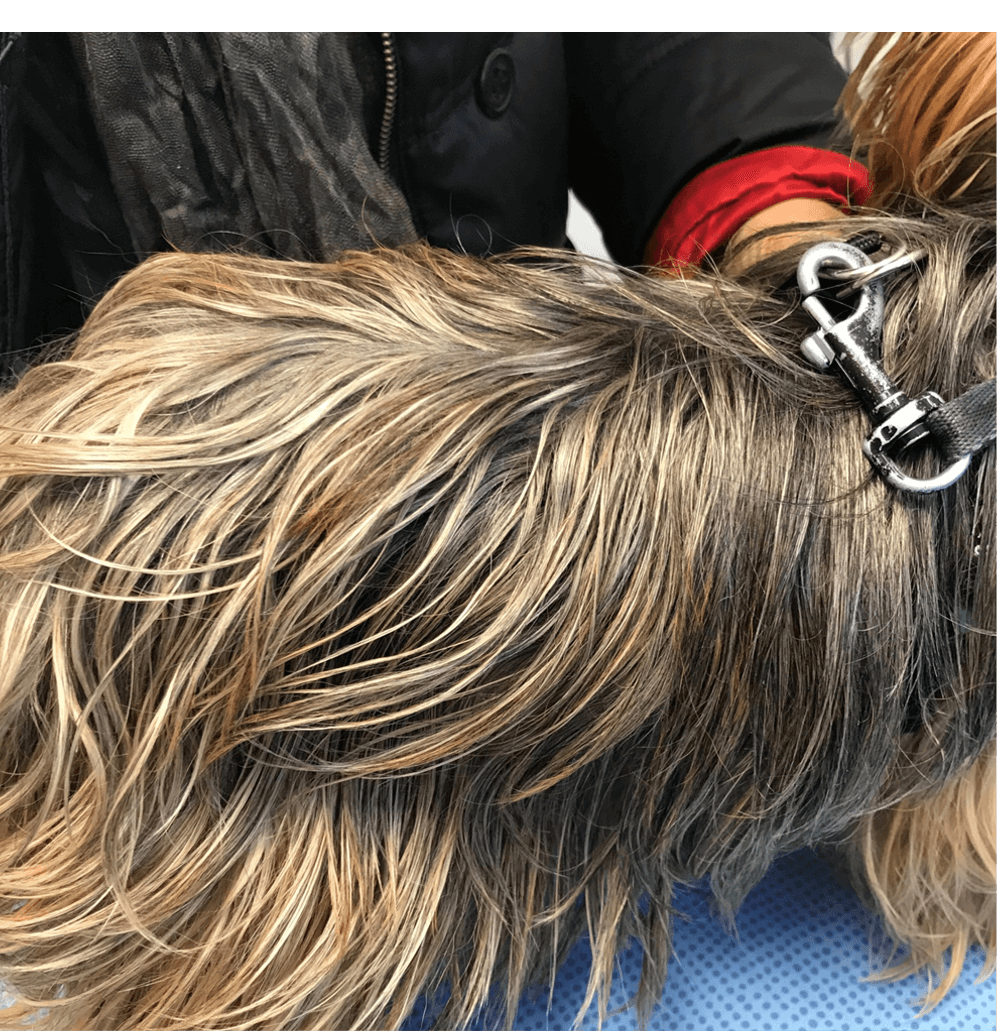
Brush every couple of days to distribute oils and lift away dead hair. Bathe only when the coat feels grimy, using a mild canine shampoo followed by thorough rinsing. Over-washing can rebound into even more oil.
Vet-Supervised Support
Persistent grease, flaking or odor deserves professional attention. Your clinic can check for infection, recommend targeted rinses, or suggest short courses of medication when necessary.
Home Environment Tweaks
Keep resting areas dry, well-ventilated and washed weekly. During humid spells, a dehumidifier or fan can reduce that heavy, moist feel that fuels oil production.
Take-Home Message
An oily coat is a manageable signal, not a life sentence. With balanced food, calm grooming, and timely veterinary advice, most dogs soon regain the silky, neutral-smelling fur that invites cuddles—keeping both pet and household happier day to day.
Staying proactive protects comfort, strengthens the human-animal bond, and reduces future skin flare-ups.
Ongoing studies into coat genetics and microbiome-friendly shampoos promise even simpler solutions ahead, helping every companion look and feel their best for years to come.