




Best Food for English Bulldogs: A Comprehensive Guide
Introduction
English Bulldogs, with their distinctive features and charming personalities, have become popular pets worldwide. As responsible pet owners, it is crucial to provide them with the best possible care, including a balanced and nutritious diet. This article aims to explore the best food options for English Bulldogs, considering their unique dietary needs and preferences. By understanding the nutritional requirements of this breed, we can ensure that our furry companions lead healthy and fulfilling lives.
Nutritional Requirements of English Bulldogs
Energy Requirements
English Bulldogs are moderately active dogs whose caloric needs are lower than those of many other breeds. A diet tailored to maintain lean body condition without excess calories is ideal; portion-controlled, breed-appropriate kibble usually meets this goal.
Protein and Fat
Protein supports muscle tone while fat supplies energy and aids vitamin absorption. Aim for a moderate balance—roughly one-fifth of the diet as protein and about one-tenth as healthy fat—to keep the dog in good shape without unnecessary weight gain.
Carbohydrates
Slow-burning carbs such as oats, barley, or sweet potato give steady energy without spiking blood sugar. Because Bulldogs digest more slowly, keep carbohydrate levels moderate and focus on high-fiber options that promote satiety.
Vitamins and Minerals
A complete commercial formula normally covers micronutrient needs. If you prepare meals at home, rotate colorful vegetables and small amounts of liver or fish to supply essential vitamins and minerals; avoid extra powders unless your vet recommends them.
Best Food Options for English Bulldogs
Commercial Dog Food
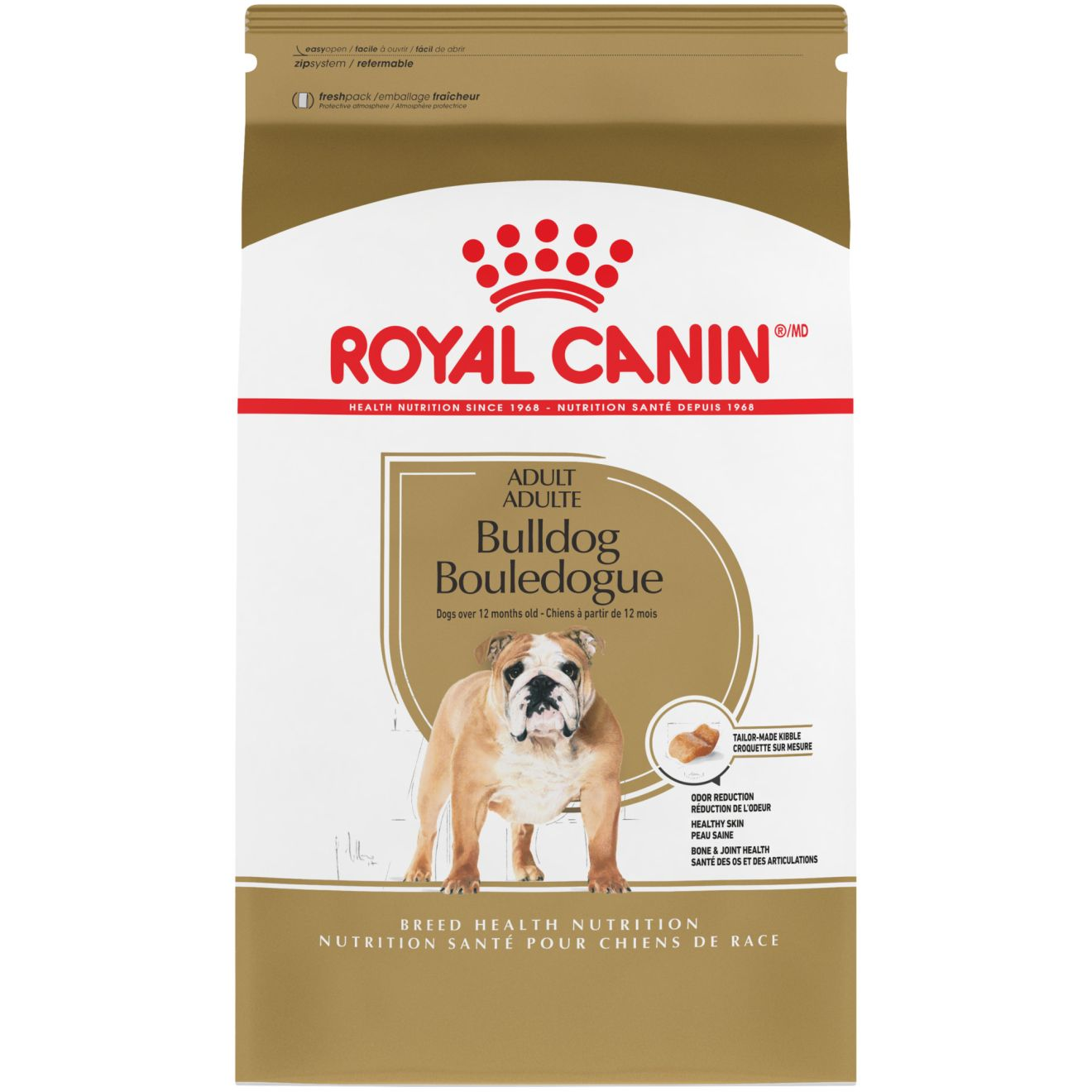
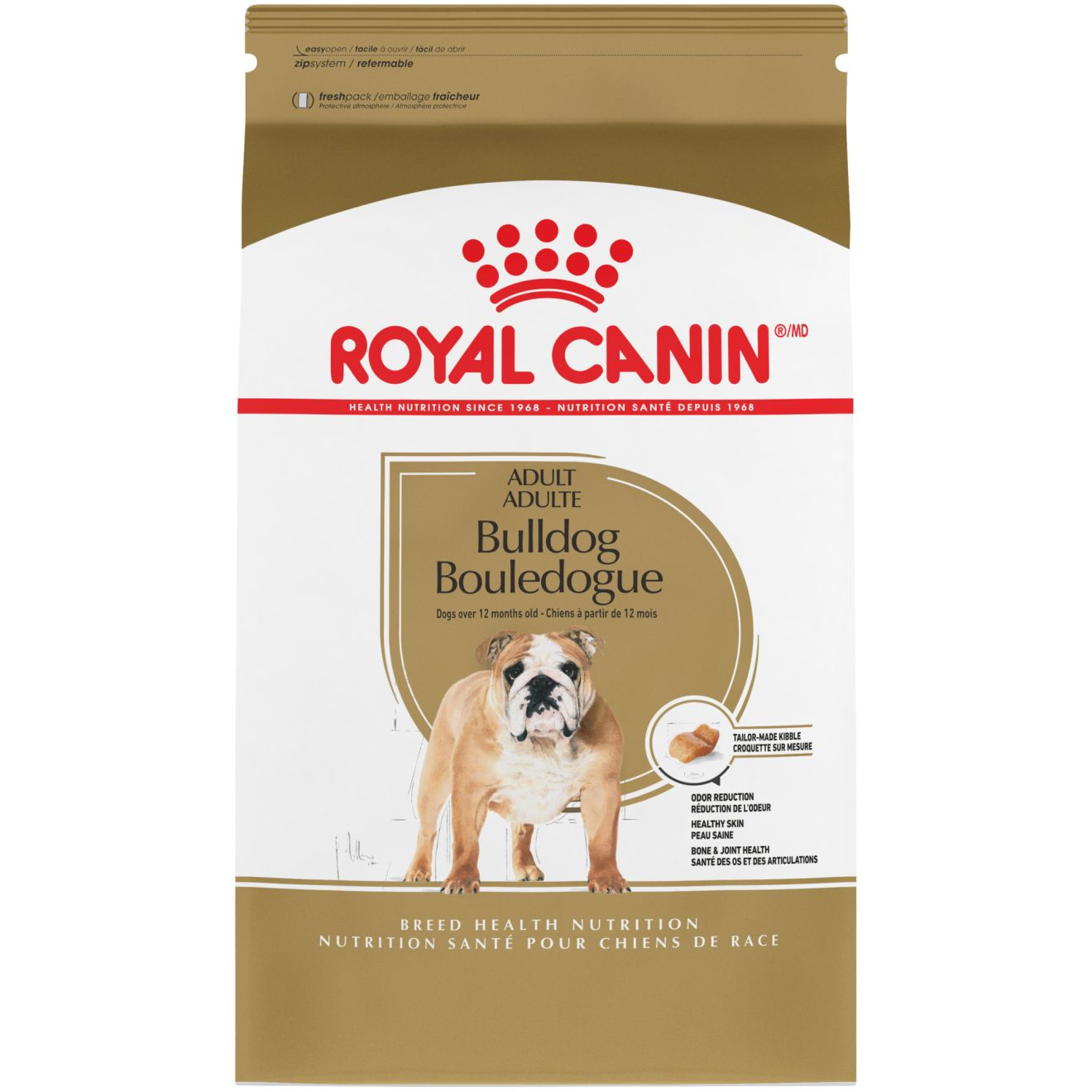
High-quality dry or wet foods designed for medium, stocky breeds remain the simplest route to balanced nutrition. Look for labels that list meat or fish first, contain added joint support, and avoid artificial colors or excessive fillers.
– Breed-specific kibble with kibble size and texture suited to the Bulldog’s jaw
– Veterinary-grade weight-management formulas for dogs prone to heft
– Grain-inclusive or grain-free recipes depending on individual tolerance

Homemade Diet
Home cooking lets you control ingredients, but it must be nutritionally complete. A basic template includes:
– Lean poultry, white fish, or lean beef, lightly cooked
– Cooked brown rice, quinoa, or pumpkin for fiber and energy
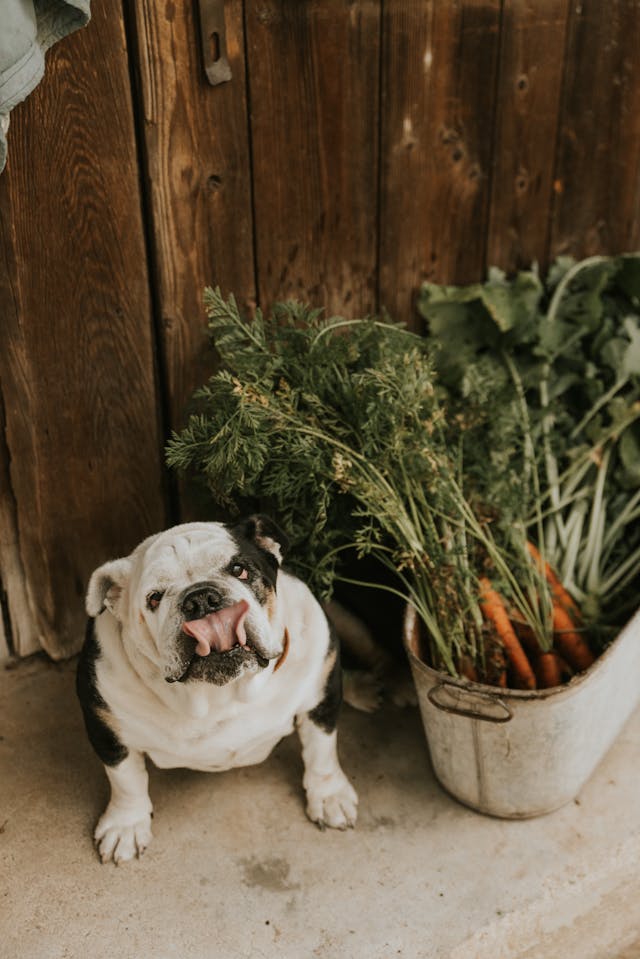
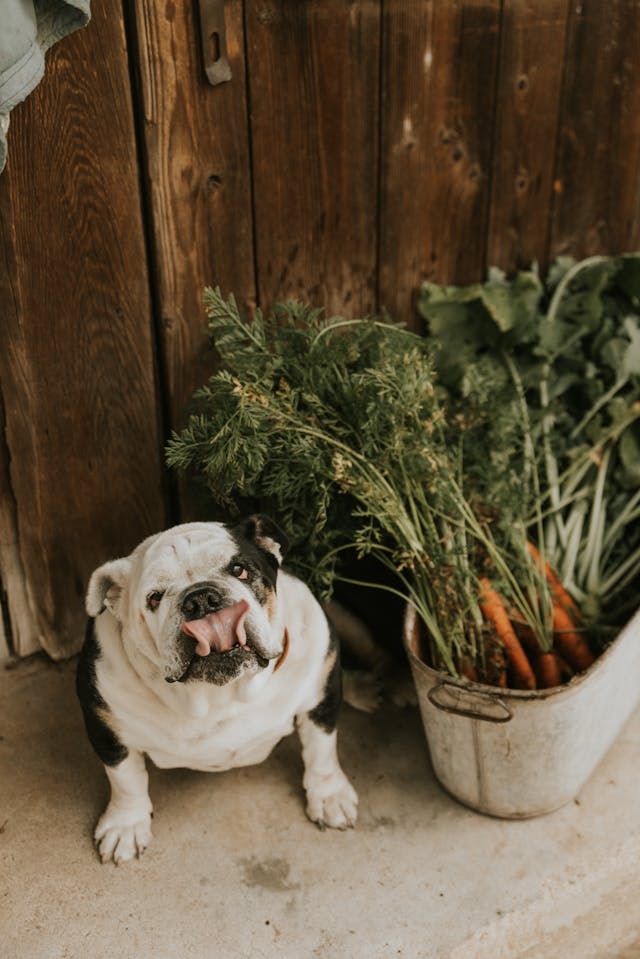
– Steamed green beans, carrots, or blueberries for antioxidants
– An approved canine multivitamin or balanced oil blend added at serving time

Raw Food Diet
Some owners opt for raw feeding. If you go this route, source human-grade meats, keep preparation areas sanitary, and freeze portions promptly. Regular veterinary check-ups and periodic bloodwork help confirm the diet remains safe and balanced.
Feeding Guidelines
Portion Control
Bulldogs love to eat and gain weight quickly. Measure meals with a standard cup, feed twice daily, and limit treats to no more than ten percent of daily calories. Body-condition scoring every few weeks keeps portions honest.
Feeding Schedule
Offer breakfast and dinner at consistent times to regulate digestion and reduce begging. Remove uneaten food after fifteen minutes to discourage grazing.
Fresh Water
Keep multiple clean bowls around the house, especially in warm weather. Adequate hydration supports joint health and helps prevent urinary issues.
Conclusion
Choosing the right food for an English Bulldog hinges on balanced nutrients, controlled calories, and close observation of the individual dog’s weight and energy. Whether you select a premium kibble, a carefully planned homemade diet, or a hygienic raw regimen, regular veterinary guidance ensures your companion stays happy, fit, and ready for a lifetime of snorts and snuggles.
Recommendations and Future Research
Ongoing studies into breed-specific metabolism, optimal fiber levels, and targeted nutrients for joint and skin health will refine feeding practices. Owners can help by keeping diet logs, sharing findings with vets, and supporting research initiatives that aim to extend the healthy lifespan of English Bulldogs everywhere.