




Bengal Cats Adoption: A Friendly Guide to Welcoming This Energetic Companion
Introduction
Bengal cats turn heads with their leopard-like coats and endless curiosity, and more households are opening their doors to them each year. This guide walks you through what to expect before, during, and after bringing one of these spirited felines home.
The History of Bengal Cats
Origin and Development
The breed began in the mid-twentieth century when breeders crossed a small wild forest cat with gentle domestic lines. The aim was a kitten that kept the dramatic coat but loved people and indoor life. After a few generations, the new look and outgoing personality earned official recognition from major cat registries.
Popularity and Recognition
Magazines, social media posts, and family videos soon showcased their playful stunts, and demand grew around the world. Today most associations accept the Bengal as a household breed rather than an experimental hybrid.
Characteristics of Bengal Cats
Physical Appearance
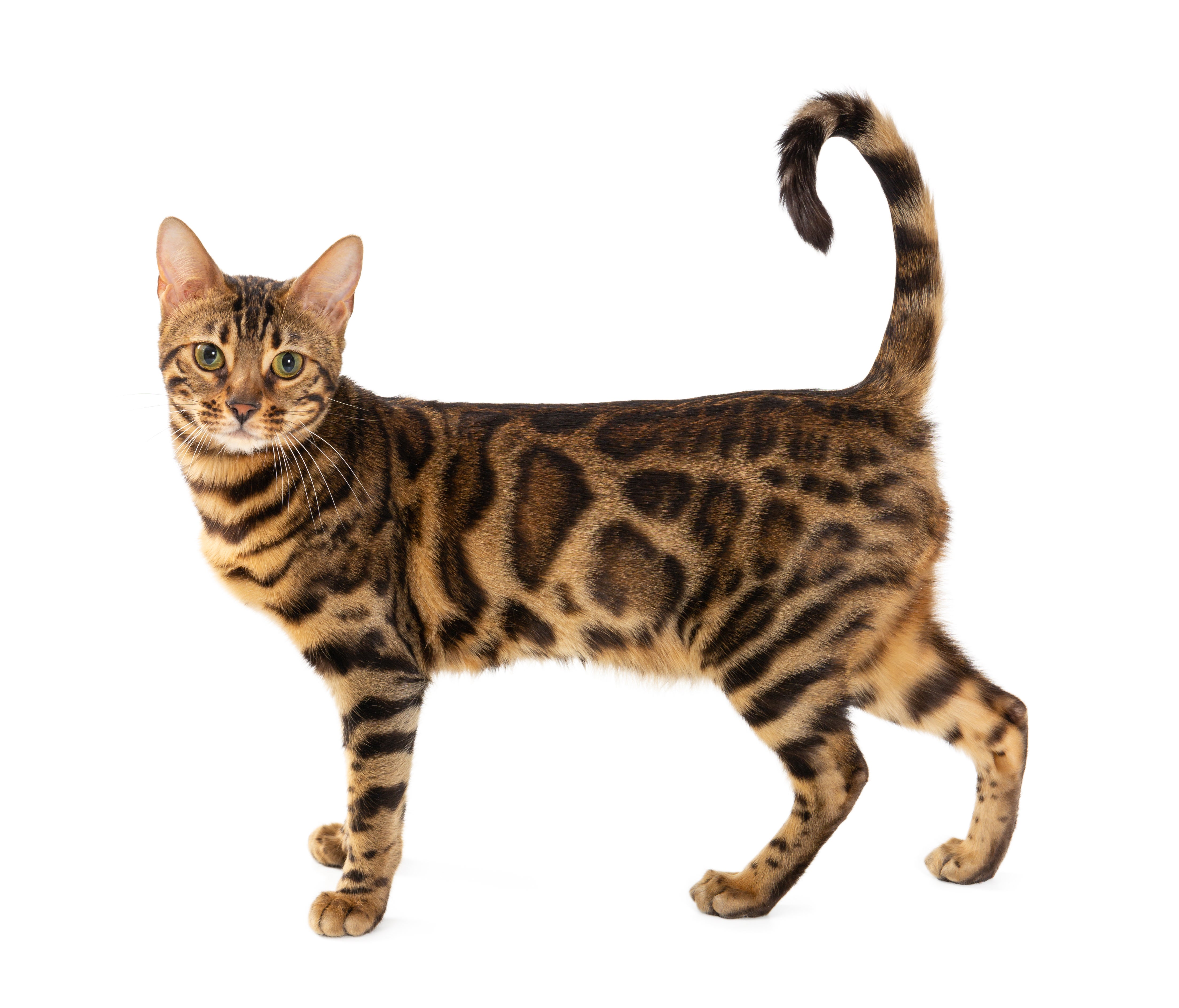
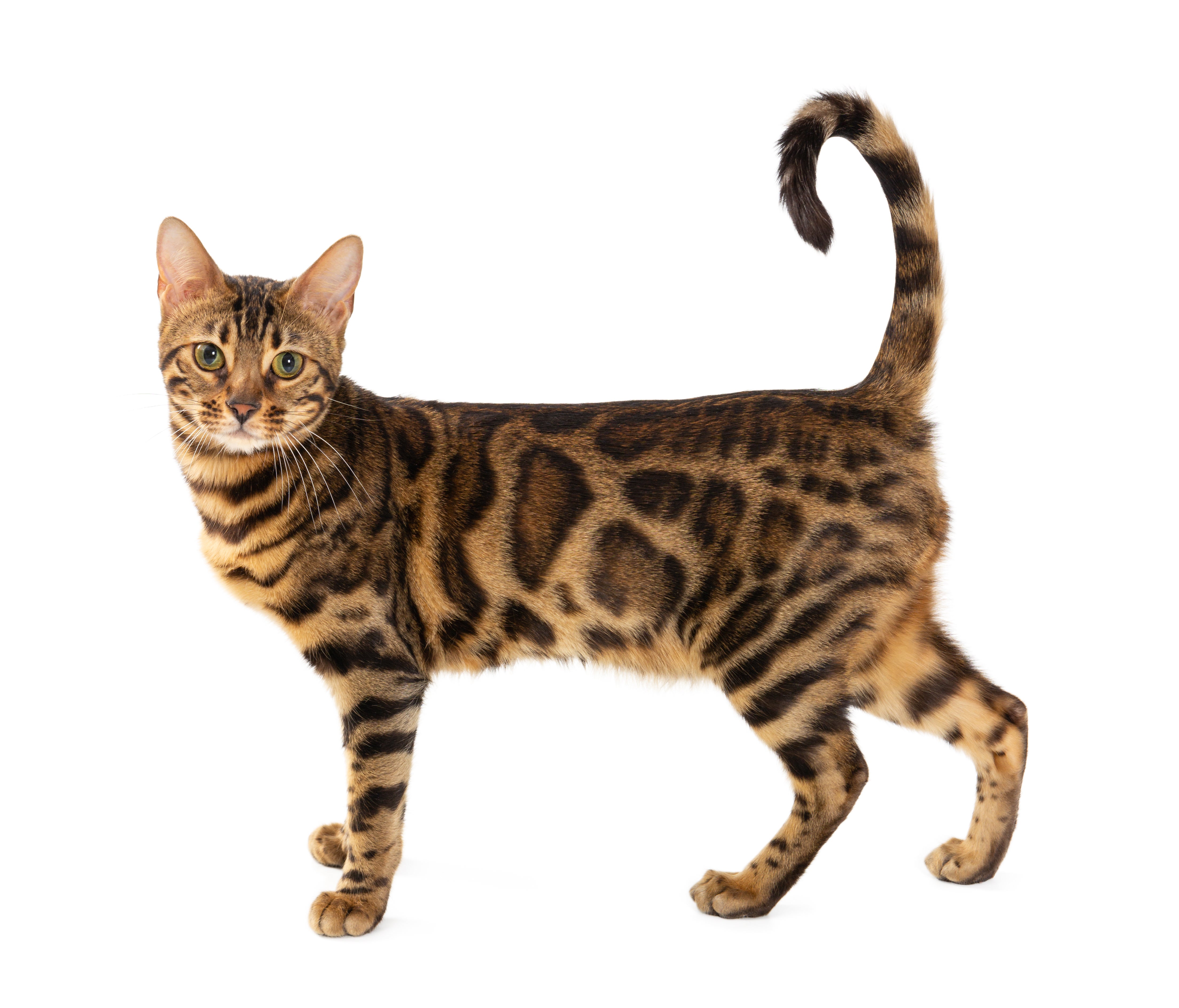
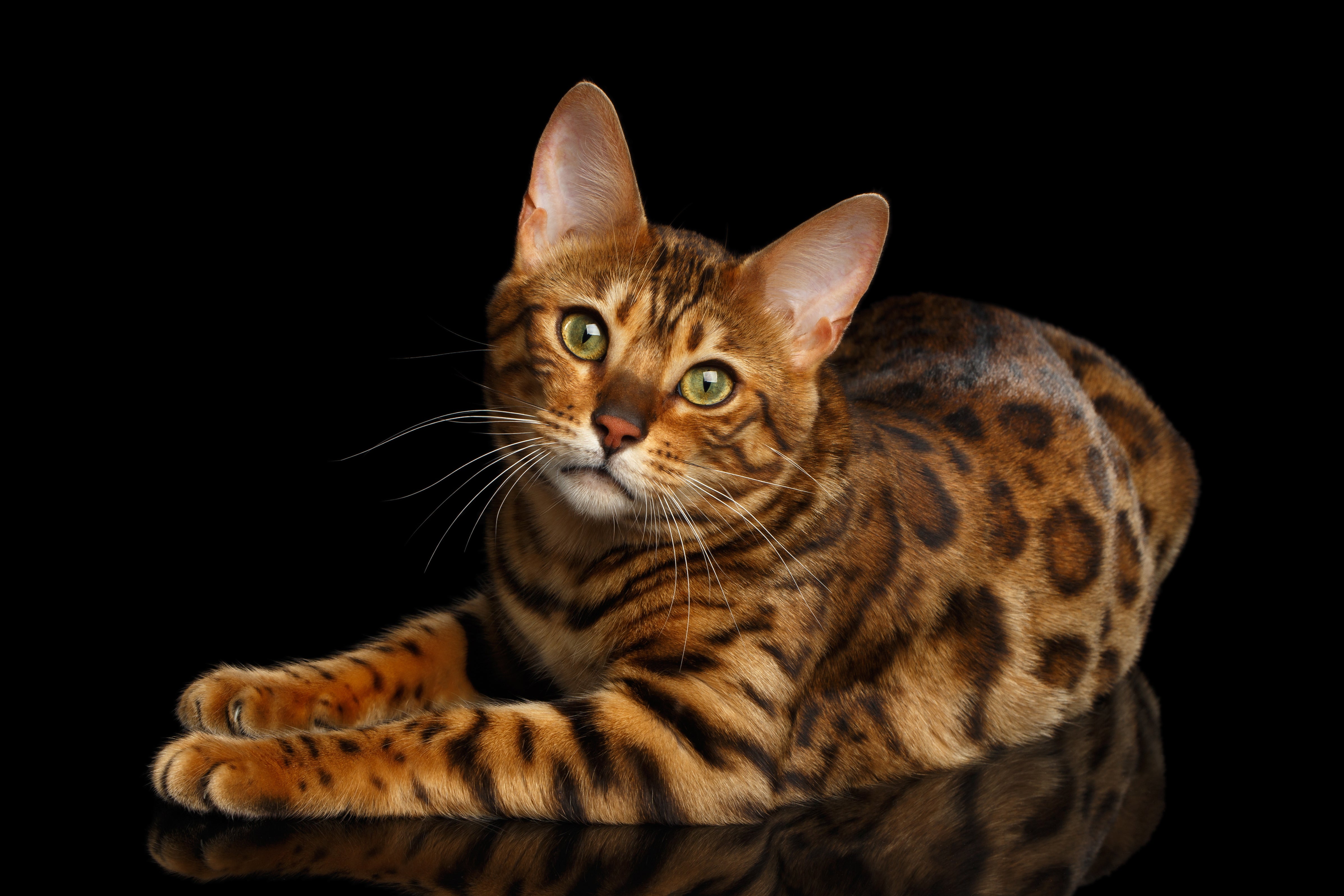
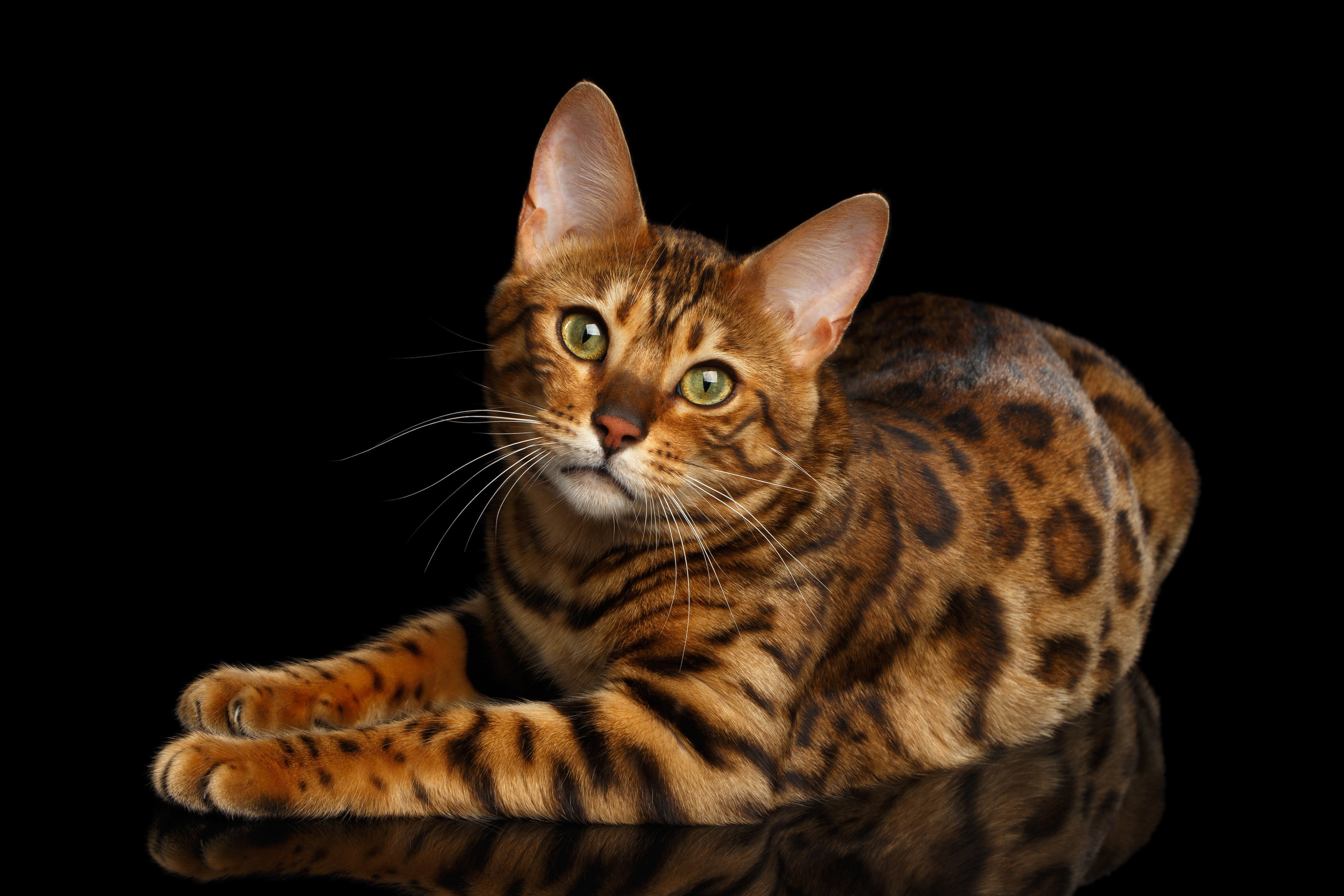
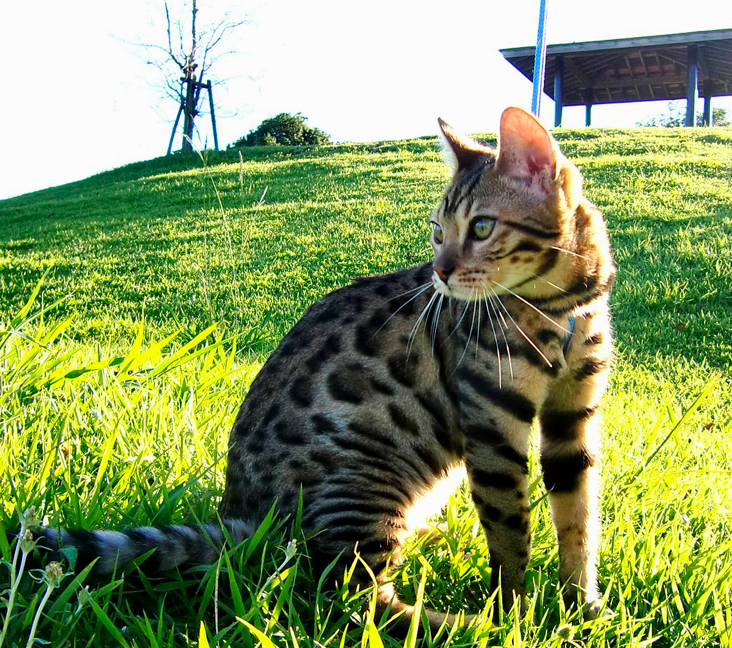
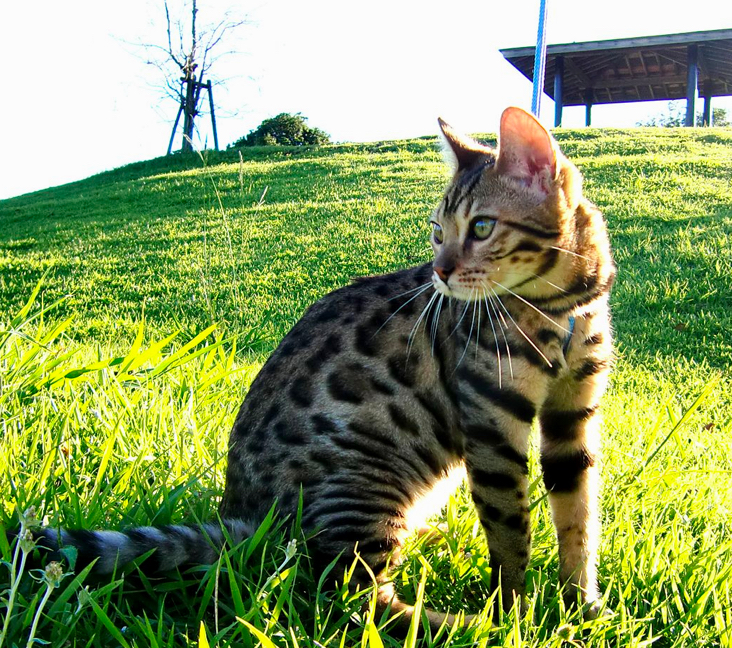
Silky, short fur is patterned with bold spots or swirling marble, often glittered with a subtle sheen. A strong, athletic frame gives them the agility to leap high and sprint through the house without knocking over the furniture—most of the time.
Personality and Temperament
Quick learners, they enjoy fetch, leash walks, and learning tricks for treats. They prefer company—human, feline, or canine—to long hours alone and will follow family members from room to room to supervise every activity.
Benefits of Adopting a Bengal Cat
Unique Qualities
A Bengal’s antics can brighten dull days, and guests rarely forget the “mini leopard” greeting them at the door. Their intelligence makes interactive toys, puzzle feeders, and clicker-training sessions fun for both pet and person.
Health Benefits
Active play encourages owners to move more, whether it’s waving a feather wand or jogging down the hallway together. The routine of feeding, grooming, and quiet evening cuddles can also lower stress after a busy day.
Considerations for Adopting a Bengal Cat
Compatibility with Lifestyle
These cats thrive on stimulation. A home with climbing shelves, window perches, and someone to engage them several times a day keeps them content. If frequent travel or long office hours are the norm, a calm, independent breed might be a better match.
Potential Challenges
Like any pedigree, Bengals can inherit certain health issues. Ask rescue staff or breeders about screenings, and schedule a baseline vet exam soon after arrival. Budgeting for quality food, annual checkups, and occasional household repairs from high-flying leaps is part of the package.
Adoption Process
Start by filling out an application that covers living situation, experience, and expectations. Many groups arrange a casual meet-and-greet, then confirm that balconies are secured and toxic plants are out of reach. A little patience ensures the right fit for cat and family alike.
Success Stories and Testimonials
Real-Life Examples
From young professionals in city apartments to retirees in quiet suburbs, adopters report that a Bengal’s affectionate head-bumps and endless games of fetch quickly become the highlight of daily life.
Expert Opinions
Veterinarians and trainers praise early socialization: introduce guests, car rides, and gentle handling while the kitten is young, and you’ll have a confident, adaptable companion.
Conclusion
Opening your home to a Bengal can add energy, laughter, and a touch of the wild to everyday routines. With research, realistic expectations, and plenty of play, the reward is a loyal friend who greets each morning with a chirp and a ready pounce.
Recommendations and Future Research
Recommendations for Adopters
For those considering Bengal cat adoption, it is recommended to:
1. Read up on enrichment ideas—cat wheels, climbing walls, and treat puzzles keep boredom at bay.
2. Meet several cats if possible; personalities range from laid-back lap warmer to non-stop explorer.
3. Plan for fifteen or more years of care, including quality diets, routine vaccinations, and emergency savings.
Future Research Directions
Future research could focus on:
1. Tracking how common inherited conditions appear in different bloodlines.
2. Measuring the effect of daily interactive play on owner well-being.
3. Comparing training methods to see which cues and rewards work best for this bright, energetic breed.
By continuing to study and support Bengal cat adoption, we can ensure that these unique felines continue to thrive in loving homes.