


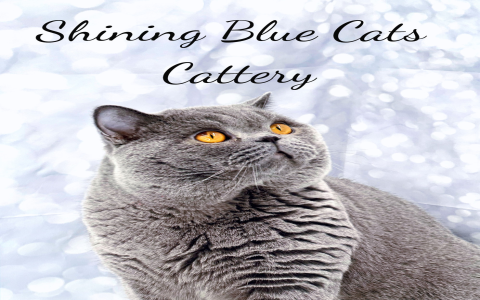

The British Shorthair: A Comprehensive Overview
Introduction
The British Shorthair has captured hearts worldwide with its classic look and steady temperament. This article explores the breed’s background, signature traits, and the reasons behind its enduring appeal, while also considering the responsibilities that come with its rising popularity.
Origin and History
The British Shorthair traces its roots to the domestic cats of Rome, later refined in Britain after centuries of natural selection and selective breeding. Outcrosses to sturdy native cats produced a compact, powerful feline prized for both appearance and resilience. Formal recognition came in the late 1800s, and today the breed is celebrated on every continent.
Since gaining championship status with major registries, the British Shorthair has steadily climbed popularity charts, admired for its calm presence and photogenic good looks.
Characteristics
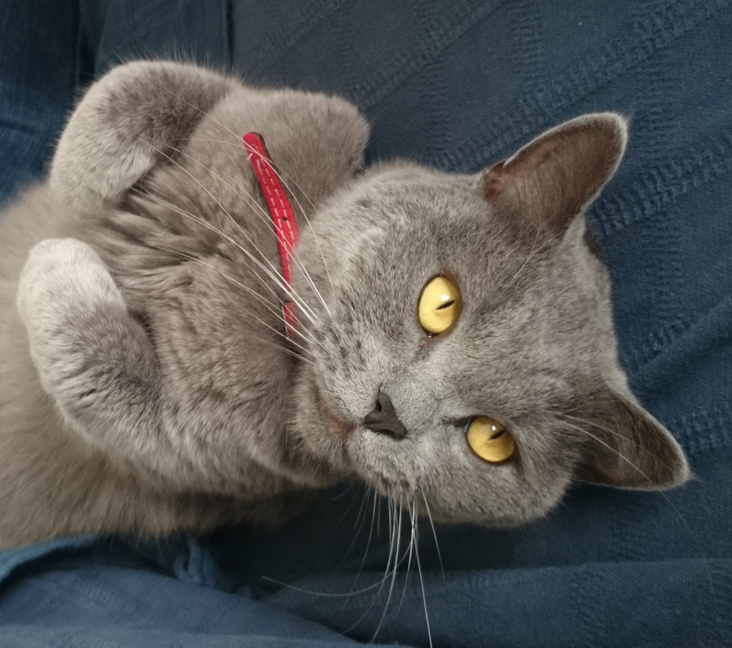
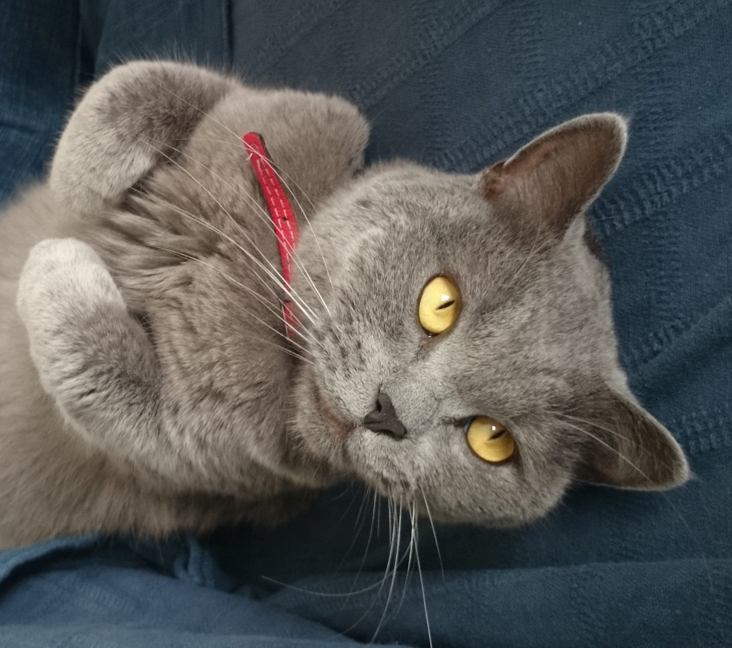
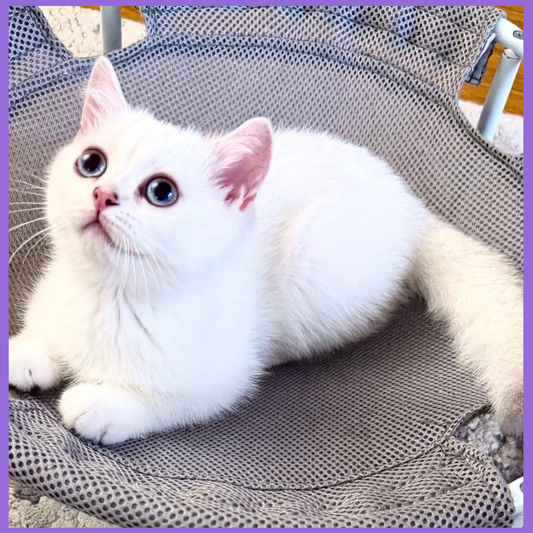
British Shorthairs present a cobby, well-balanced frame wrapped in a plush, crackling coat. Males are especially broad-chested, with strong boning and rounded paws. Coat colors span the entire feline palette, from solid blue to shaded silver, bi-color, and beyond.
The hallmark face is a series of gentle curves: a rounded skull, full cheeks, and a short, straight nose. Large, wide-set eyes glow in copper, orange, gold, or deep blue, depending on coat color.
Temperament is famously unflappable. These cats are affectionate without being demanding, playful in short, enthusiastic bursts, then content to supervise household activities from a cozy chair. Their adaptable nature makes them excellent companions for singles, families, or seniors.
Popularity and Impact
Social media, film cameos, and a reputation for child-friendly patience have propelled the British Shorthair into the spotlight. Breed clubs report steady registration growth, and waiting lists for kittens remain common.
The surge in interest has encouraged breeders to prioritize health testing and early socialization, raising welfare standards across the pedigree-cat world.
Challenges and Concerns
Popularity brings risk: unethical backyard breeding can exaggerate extreme features or overlook hereditary conditions such as hypertrophic cardiomyopathy. Prospective owners are urged to seek breeders who screen for heart, kidney, and blood-type issues.
Overproduction is another worry. When demand outpaces responsible placement, cats may end up in shelters. Supporting adoption, limiting litter numbers, and educating buyers help keep the population sustainable.
Conclusion
The British Shorthair remains a timeless choice for those seeking a devoted, low-drama companion. By choosing reputable sources and committing to lifelong care, owners ensure this iconic breed continues to thrive in both show halls and living rooms.
In short, the British Shorthair’s blend of beauty, balance, and benevolent character secures its place among the most beloved cats of the modern era.
References
– International Cat Care. British Shorthair Breed Profile.
– The Governing Council of the Cat Fancy. Breed Standard: British Shorthair.
– Journal of Feline Medicine & Surgery, Vol. 21, Issue 4. Health Surveys in Pedigree Cats.