

The Importance of Cat Adoption: A Comprehensive Overview
Introduction
Adopting a cat—welcoming a rescued feline into a permanent home—has become an increasingly popular choice worldwide. As awareness grows, more families are choosing adoption over other avenues. This article explores why adopting a cat matters, illustrating the positive ripple effects on both people and pets.
The Rising Trend of Cat Adoption
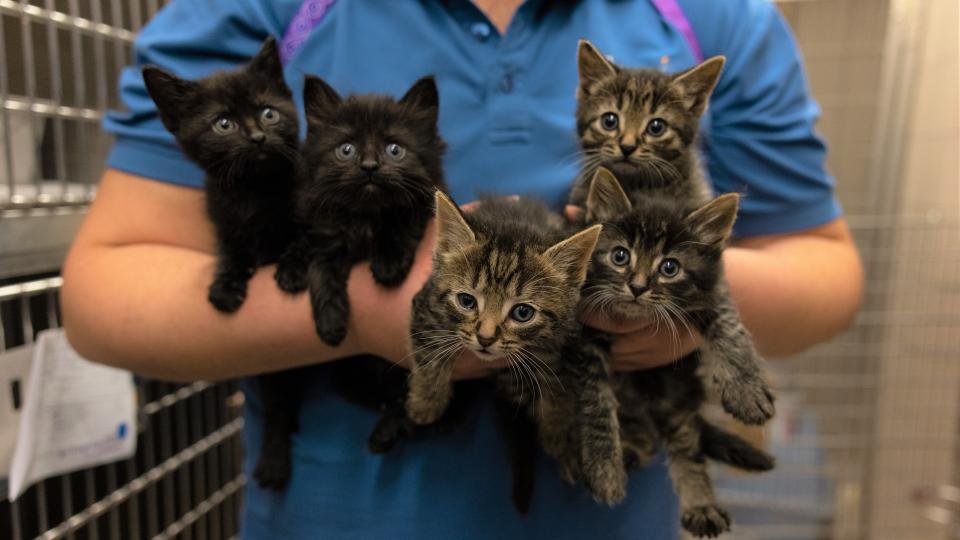
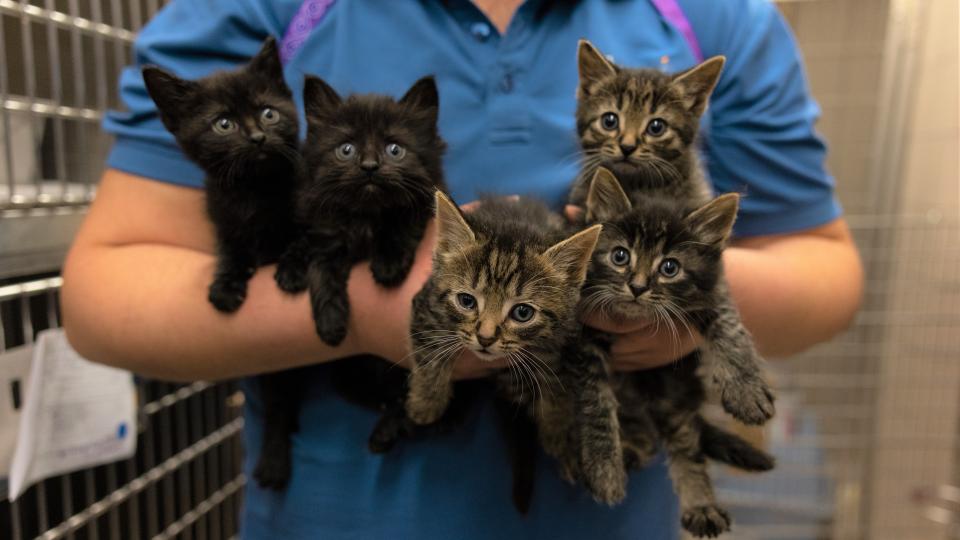
Across many countries, cat adoption rates have climbed steadily. Shelters regularly receive cats who have been lost, abandoned, or surrendered, creating an ongoing need for compassionate adopters. Media campaigns, community events, and simple word-of-mouth have all helped spotlight adoption as the first choice when looking for a feline companion.
The Benefits of Cat Adoption
Emotional and Psychological Benefits
Sharing life with a cat can lift mood and ease everyday tension. Gentle purring, soft head-butts, and quiet companionship often translate into lower stress levels and a greater sense of calm. For people facing loneliness or mild anxiety, a cat’s steady presence can provide comfort and daily structure.
Social Benefits
Adopting also strengthens community ties. Each adoption frees shelter space, allowing staff to assist more animals in need. Adoption events, online groups, and neighborhood meet-ups create natural opportunities for adopters to connect, share tips, and celebrate milestones together.
Financial Benefits
Adoption packages routinely include initial veterinary essentials—vaccinations, microchipping, and spay or neuter surgery—bundled into one modest fee. This upfront care can cost significantly less than arranging each service separately, making adoption an economical path to responsible pet ownership.
The Challenges of Cat Adoption
Even with many positives, adopters should prepare for an adjustment phase. A new cat may hide, vocalize, or display cautious behavior while learning the layout of its new territory. Patience, consistent routines, and gradual introductions help cats settle. Some felines arrive with special dietary or medical needs, so prospective guardians benefit from budgeting time, attention, and funds for ongoing care.
The Role of Shelters and Rescue Groups
Animal welfare organizations serve as bridges between homeless cats and loving homes. They provide health checks, behavioral assessments, and post-adoption guidance. By maintaining open communication, shelters ensure adopters feel supported long after paperwork is signed.
Conclusion
Choosing to adopt a cat is a meaningful act that echoes far beyond a single household. It eases shelter burdens, discourages unethical breeding, and gifts a deserving animal a second chance. With realistic expectations and a willingness to learn, adopters discover that the rewards—unconditional affection, daily amusement, and a deepened sense of empathy—far outweigh any early challenges. When more families opt to adopt, the vision of every cat enjoying a safe, warm home moves one step closer to reality.