
Guide Dogs to Adopt: A Compassionate Connection
Introduction
Guide dogs open doors to greater freedom for people with visual impairments, acting as trusted partners that make everyday travel safer and more confident. Choosing to welcome one of these specially trained dogs into daily life can transform routines for both handler and animal. This overview looks at why adoption matters, the rewards it brings, and the practical hurdles that can appear along the way. By focusing on the human-canine bond, we hope to inspire more people to explore the possibility of sharing life with a guide dog.
The Role of Guide Dogs
The Role of Guide Dogs in Enhancing Independence
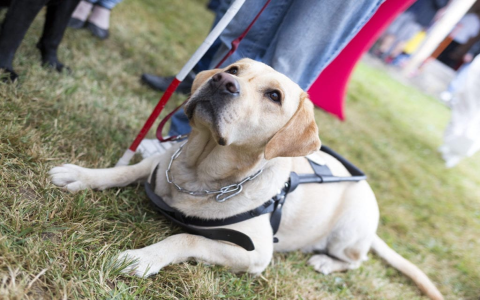
Trained guide dogs steer their handlers past obstacles, through busy crossings, and along unfamiliar routes, allowing greater spontaneity and self-reliance. With a canine companion at their side, many owners report feeling more willing to leave home, meet friends, or commute to work without constant assistance.
Independent travel often leads to richer social lives, expanded career options, and a stronger sense of personal agency, reducing the isolation that vision loss can sometimes bring.
The Emotional Benefits of Guide Dogs
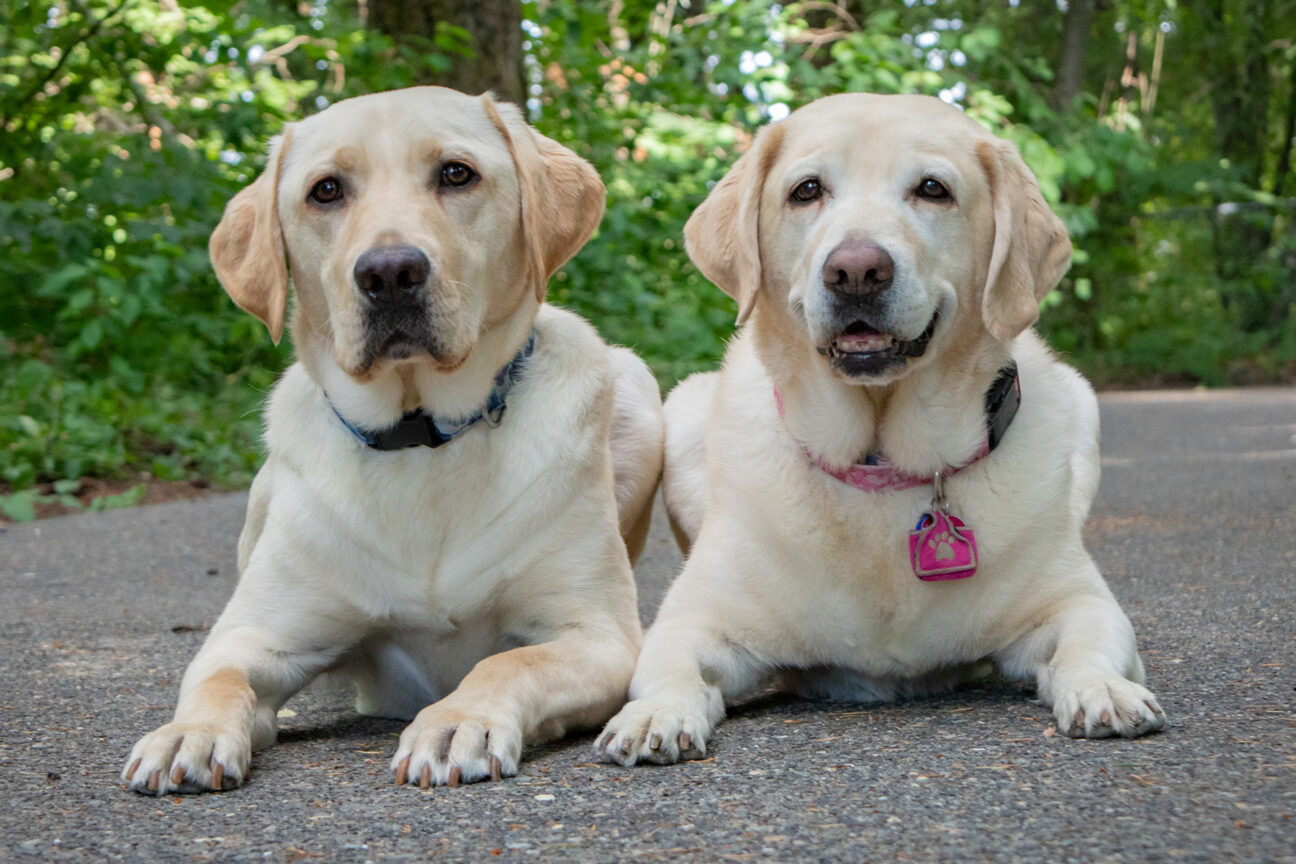
Beyond practical guidance, these dogs offer steady companionship, comfort, and an everyday sense of security. The constant presence of a calm, responsive animal can ease worry and lift mood, especially in crowded or unpredictable settings.
Many handlers describe their dogs as social bridges, sparking friendly conversations that might otherwise never happen and helping the public better understand life with limited sight.
The Adoption Process
The Selection and Training of Guide Dogs
Organizations that breed and raise guide dogs look for steady temperaments, quick intelligence, and a willingness to work. Puppies spend their first year with volunteer families who teach basic manners and expose them to varied environments.
Formal instruction follows, lasting many months, during which dogs master intelligent disobedience—ignoring a command if danger is present—precise directional cues, and calm behavior around traffic, livestock, and public transport.
The Challenges of Adoption
Although life-changing, adoption demands time, patience, and ongoing costs for food, veterinary care, and insurance. Waiting lists can be long, because each dog must be carefully matched to a handler’s walking speed, lifestyle, and home environment.
Prospective partners also need to consider factors such as pet allergies, housing restrictions, and the daily commitment to maintain the dog’s training and well-being.
The Impact of Guide Dogs to Adopt
The Economic Impact
By reducing reliance on paid human guides or specialized electronic devices, a guide dog can lower long-term assistance expenses, allowing users to allocate funds toward education, housing, or career development.
The Social Impact
When people see a working team in action, misconceptions about blindness often dissolve, replaced by respect for the handler’s capability and curiosity about the dog’s skills. These public encounters foster empathy and encourage communities to design more accessible spaces for everyone.
Conclusion
Adopting a guide dog is a profound partnership that extends far beyond navigation. It nurtures confidence, provides loyal friendship, and promotes social inclusion. While the journey requires dedication, the resulting bond enriches daily life in ways that ripple outward, inspiring broader acceptance and understanding.
Recommendations and Future Research
To strengthen this vital program, several steps can help:
1. Expand financial support for breeding, veterinary care, and trainer education, ensuring steady availability of well-prepared dogs.
2. Create flexible follow-up services—refresher training, peer mentorship, and online resources—that adapt to each team’s changing needs over time.
3. Launch inclusive awareness campaigns that celebrate assistance dogs and educate businesses, transit staff, and the public on appropriate etiquette and legal access rights.
Continued study into the long-term health and happiness of both handlers and dogs will refine training techniques and uncover new ways technology can complement, rather than replace, the unmatched intuition of a living guide.