



The Enchanting World of Ginger Cats
Introduction
Cats have long charmed people everywhere with their grace and companionship. Among the many coat colors, ginger cats—those warm-toned orange tabbies—stand out for both their sunny fur and engaging temperaments. This article explores what makes these felines so appealing, looking at their looks, personalities, and the special connection they forge with the humans who welcome them home.
Characteristics of Ginger Cats
Color and Appearance
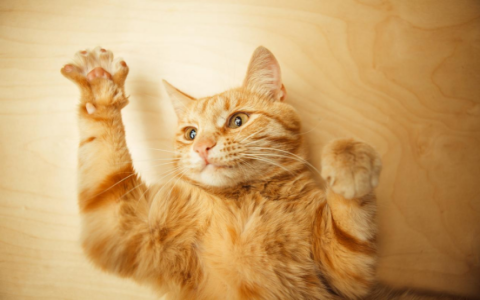
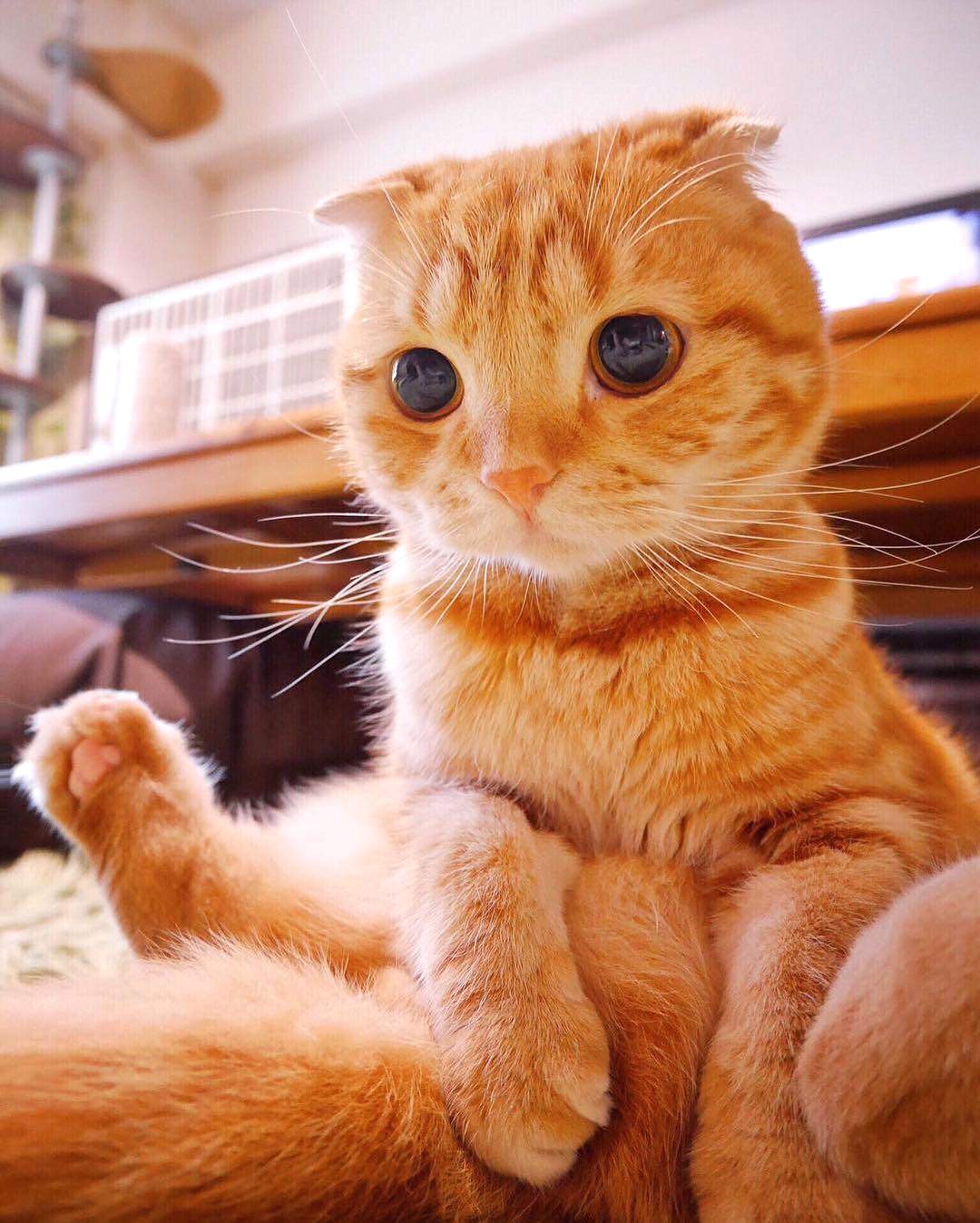
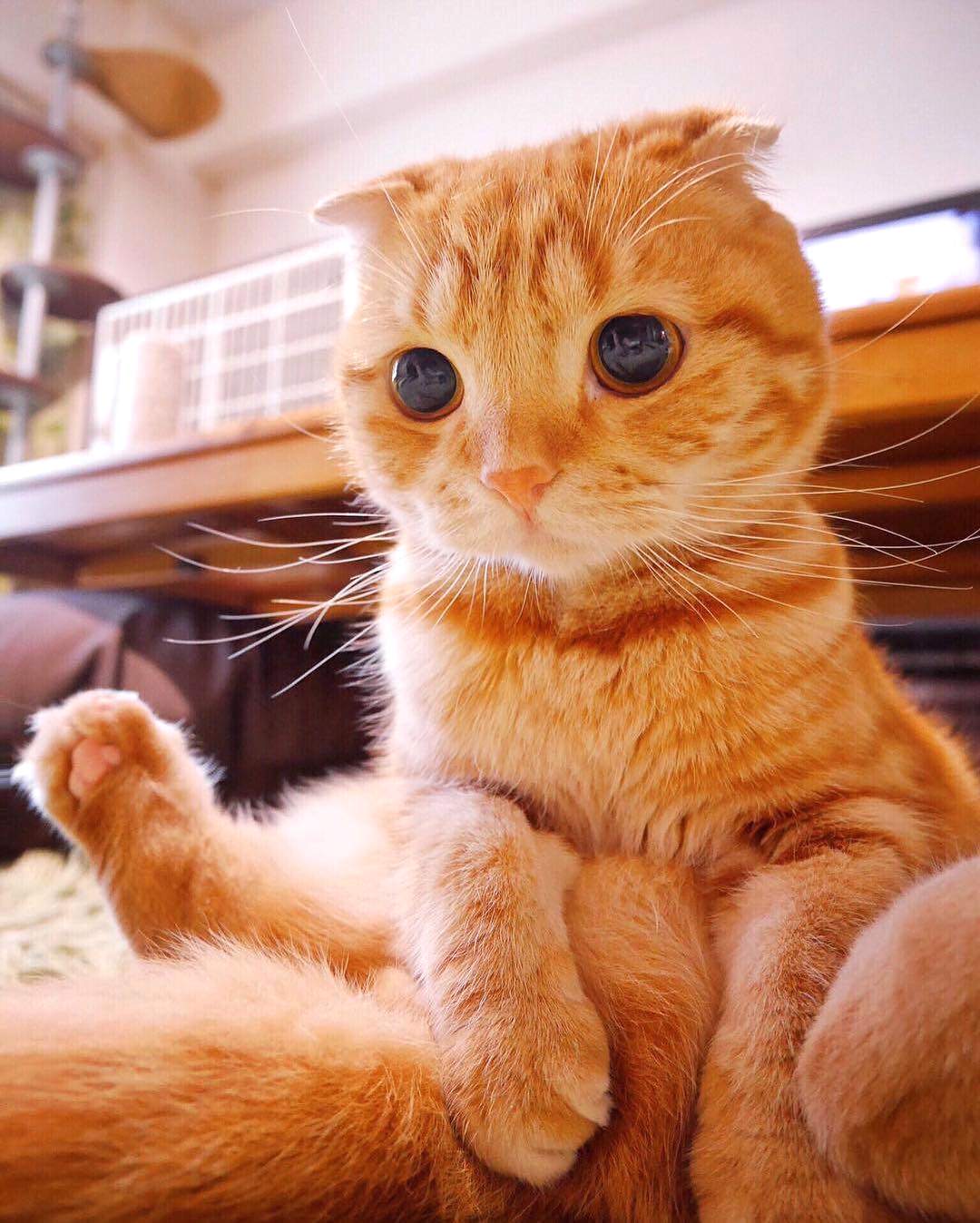
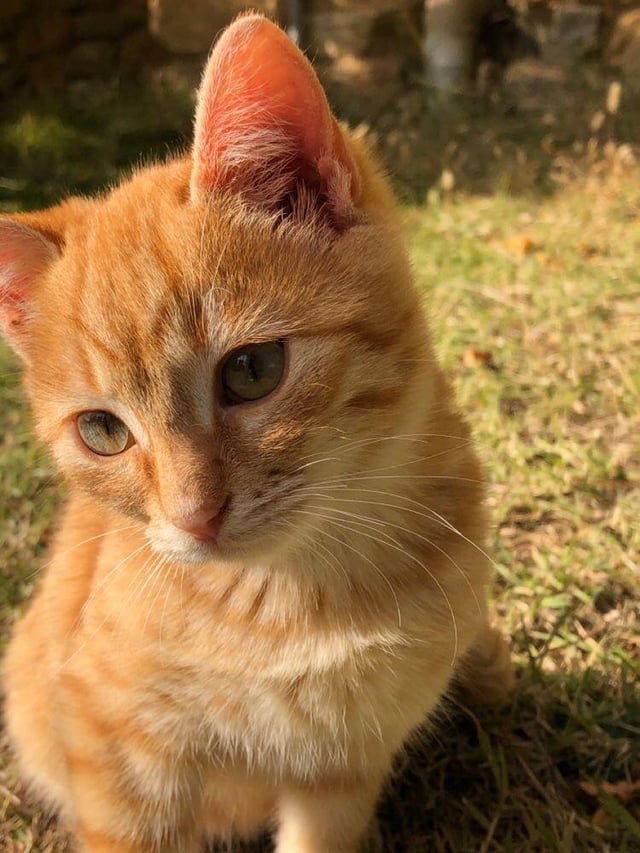
Ginger cats display a spectrum of orange shades, from soft apricot to deep marmalade. Most sport the classic tabby pattern of stripes, swirls, or spots that highlight their bright coats. The vivid hue comes from a gene that influences pigment production, giving each cat a one-of-a-kind coat.
Personality Traits
These cats are often described as playful, people-oriented, and quick to learn. While every cat is an individual, many gingers greet visitors, follow family members from room to room, and enjoy a good cuddle after an energetic play session.
Popularity of Ginger Cats
Adoption Trends
Shelters frequently report that orange cats draw quick interest from adopters, thanks to their eye-catching color and reputation for friendliness. Their easy-going nature makes them a comfortable fit for first-time owners and experienced guardians alike.
Media Representation
From comic strips to family films, ginger cats have purred their way into popular culture. Their memorable on-screen antics reinforce the idea that an orange companion brings warmth and humor to everyday life.
The Bond Between Ginger Cats and Their Owners
Companionship
Many owners joke that their ginger cat is a “shadow,” content to supervise every household activity. This affectionate loyalty creates a reassuring routine: a soft head-butt in the morning, a contented lap nap in the evening, and cheerful chirps in between.
Therapeutic Benefits
Spending time with a relaxed feline friend can lower stress levels and lift moods. The steady rhythm of a ginger cat’s purr often serves as a calming soundtrack, offering quiet comfort at the end of a busy day.
Scientific Research on Ginger Cats
Genetic Studies
Researchers have traced the orange coat to a gene on the feline X chromosome, explaining why males outnumber females among ginger cats. Continued study helps breeders maintain healthy lines and veterinarians understand coat-related conditions.
Behavioral Studies
Observational work in homes and shelters suggests that orange cats tend to score high on sociability tests, showing willingness to approach both people and novel objects with cautious curiosity rather than fear.
Conclusion
Ginger cats combine striking looks with an approachable nature, making them perennial favorites in living rooms around the world. As science and everyday experience both confirm, these orange companions reward affection with affection, brightening households one purr at a time.
Recommendations and Future Research
To deepen appreciation of ginger cats, future studies could:
– Track possible links between coat color and long-term health trends.
– Observe how ginger cats interact in multi-pet families to refine socialization advice.
– Measure the emotional support these cats provide to better understand the human-animal bond.
Exploring these topics will ensure that the enchanting appeal of ginger cats continues to be recognized and celebrated.