




Title: Welcoming a Second Dog: A Practical Guide to a Peaceful Multi-Dog Home
Introduction:
Adding another dog to the family is a joyful yet delicate transition that reshapes daily routines and relationships under one roof. With thoughtful steps, owners can turn potential tension into lasting friendship. This guide outlines how to prepare both dogs, manage first meetings, and nurture a calm, cooperative pack.
Understanding Pack Harmony
Before the new dog arrives, take stock of the current pet’s temperament, exercise needs, and social skills. A confident, well-mannered resident can ease the newcomer’s stress, while an anxious or overly assertive dog may need extra support. Key points to weigh:
1. Social Skills: A dog that has met a variety of buddies on walks or in classes is more likely to greet a housemate politely.
2. Energy Match: Pair a playful adolescent with a similarly spirited companion, or plan separate activities if one prefers long naps.
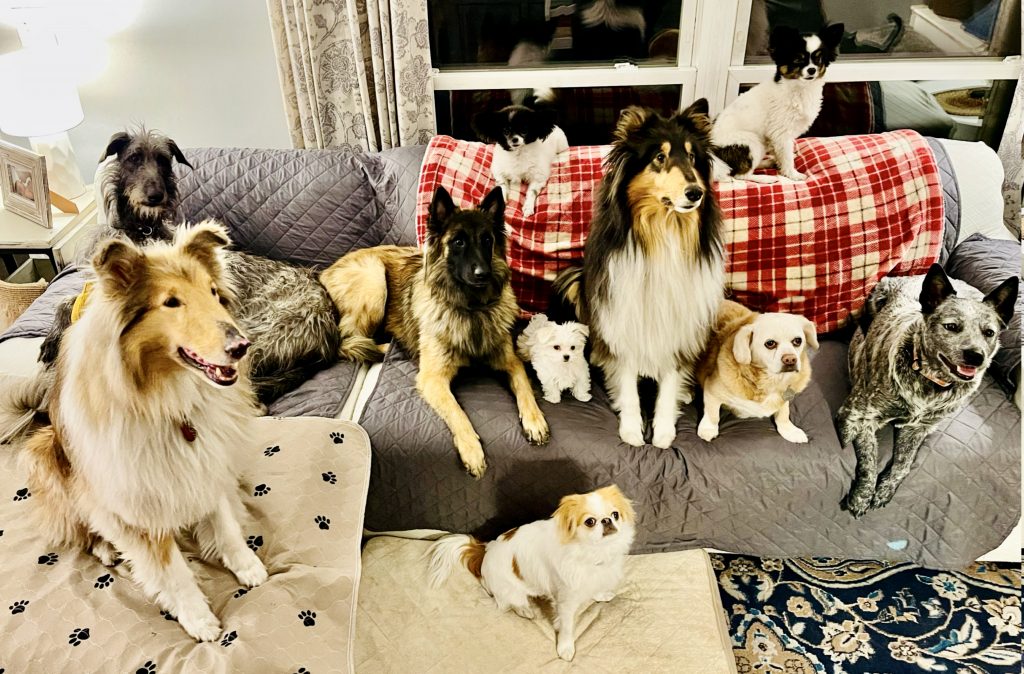
3. Space Sharing: Recognize that sofas, doorways, and food corners can feel like real estate; gradual introductions reduce turf disputes.
4. Life Stage: Seniors may appreciate a gentle friend, whereas bouncy pups often learn boundaries from tolerant adults.
Preparation: First Impressions Start at Home
Set the scene for success before noses touch:
1. Dual Zones: Arrange two eating stations, beds, and toy boxes so each dog can decompress without competition.
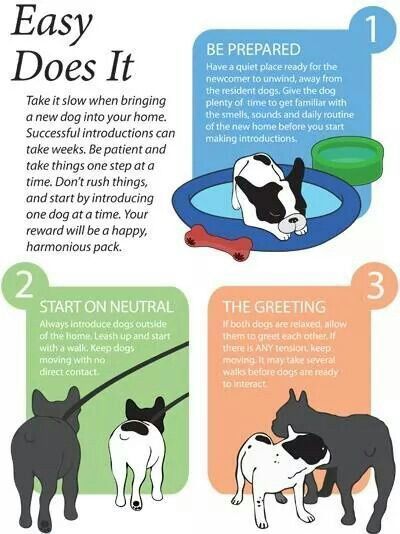
2. Neutral Ground: Hold the first meet-and-greet outdoors on loose leashes, allowing brief sniff-and-move-apart cycles until bodies relax.
3. Resource Security: Rotate prized chews and remove high-value items for the first week to prevent guarding.
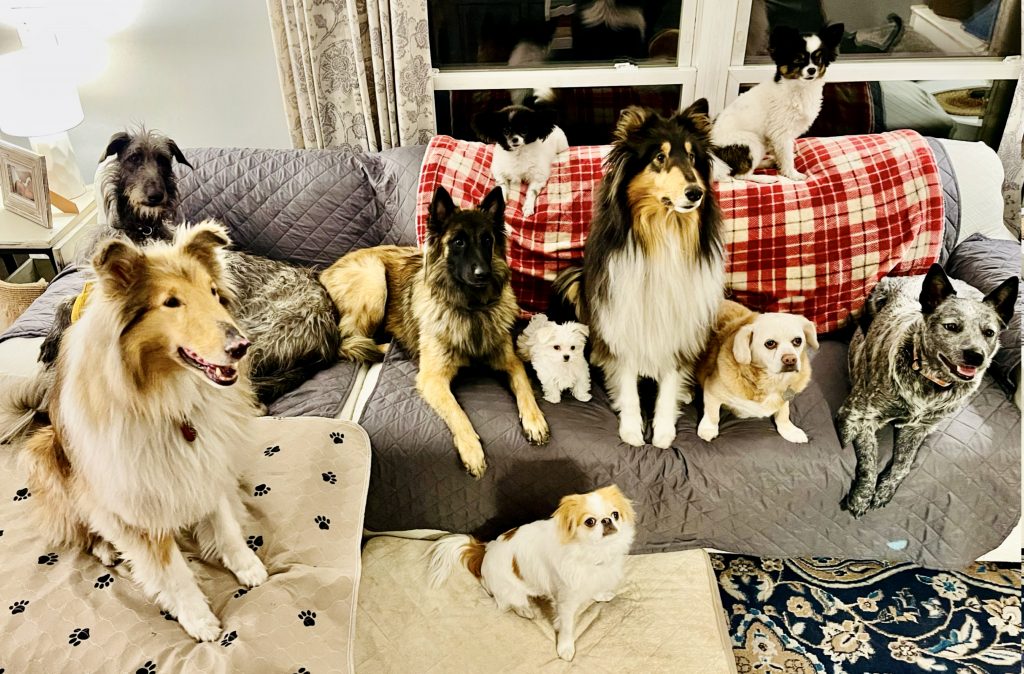
4. Predictable Schedule: Feed, walk, and rest at consistent times; routine lowers stress hormones for everyone.
Reading the Room: Signals & Reinforcement
Dogs speak volumes with tails, ears, and breath. Owners who listen can intervene early:
1. Watch for Tension: Stiff tails, hard stares, or tucked bodies mean “pause the session” and create distance.
2. Reward the Good: Toss treats or offer cheerful praise when dogs choose to sit, sniff, or look away calmly.
3. Skip Scolding: Yelling or leash pops can amplify excitement; instead, redirect with a cheerful cue and move apart.
4. Stay Neutral: Deep breaths and relaxed shoulders tell both pets that all is well.
When to Call in a Pro
If growls escalate to snaps, or if either dog stops eating or sleeping, consult a certified trainer or veterinary behaviorist. A few tailored sessions can reset the relationship before habits harden.
Conclusion
A second dog can double the love when introductions are staged with empathy and structure. By honoring individual needs, supervising early interactions, and reinforcing calm choices, families cultivate a balanced pack where both dogs—and their humans—thrive.
Patience, consistency, and the occasional expert pointer turn the first weeks of adjustment into the foundation of a lifelong friendship.