



The Impact of Paw Patrol on Children’s Development
Introduction
Paw Patrol, a widely watched animated series, has delighted young audiences around the globe. Since it first aired, the program has grown into a household favorite thanks to its lively theme song, bright characters, and simple yet engaging stories. This article looks at how the show may shape early social, emotional, and thinking skills, offering a balanced view of what parents and educators might expect.
Social Development
Social Skills and Empathy
The series regularly highlights cooperation and kindness. Each puppy brings a different talent to the group, and stories are built around shared goals such as rescuing a neighbor or cleaning up the town. Children see that listening to one another and combining strengths leads to success, reinforcing everyday lessons about teamwork and respect.
Episodes also model empathy: when a friend feels left out or worried, the pups pause their mission to offer comfort. These small moments remind viewers that caring for others is just as important as finishing the task at hand.
Role Modeling and Leadership
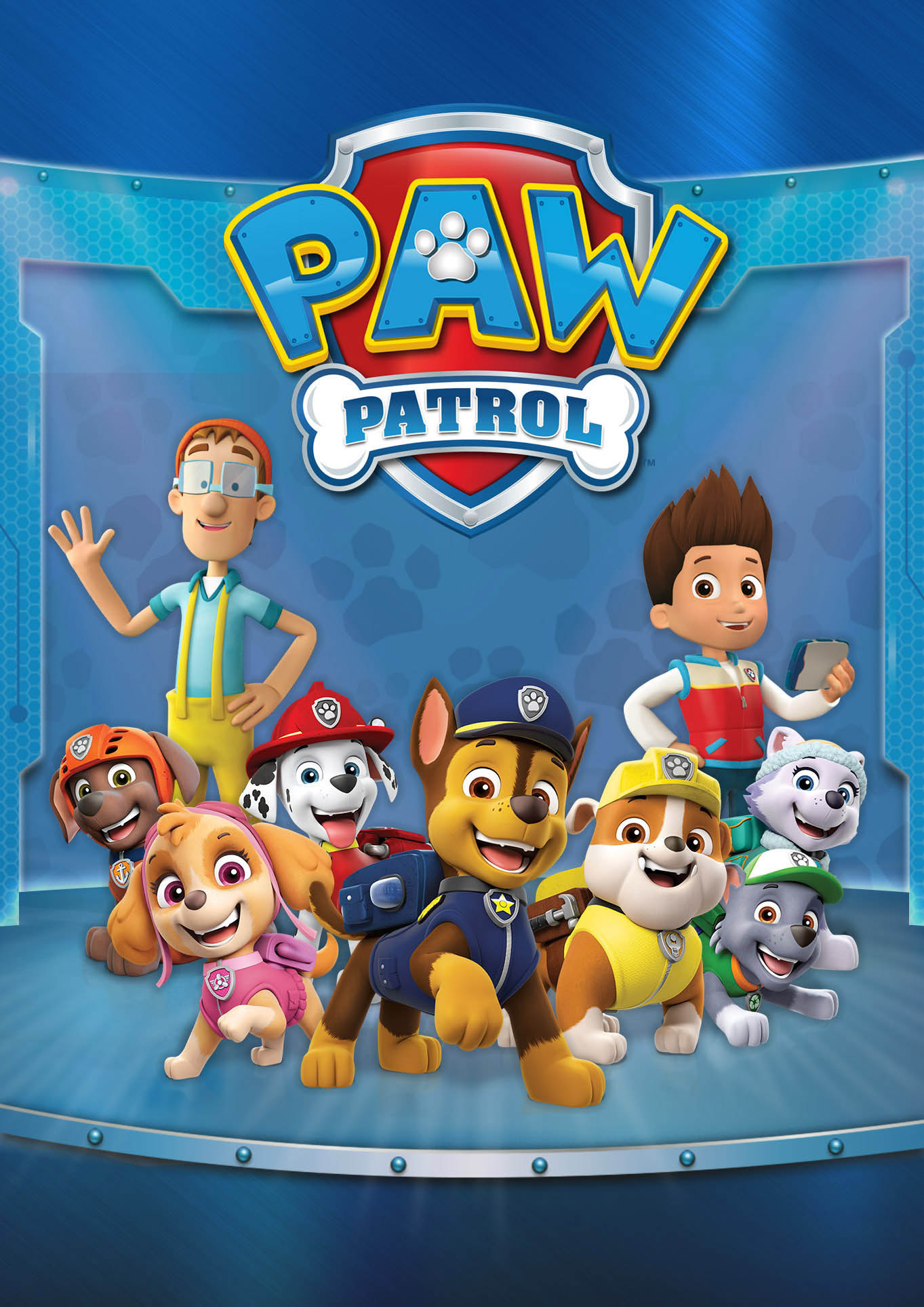
The characters display patience, honesty, and a willingness to help. The group leader shows how to stay calm under pressure and to ask for input before making a choice. By watching these behaviors, children receive gentle examples of responsibility and fair leadership they can imitate in school or on the playground.
Emotional Development
Emotional Intelligence and Resilience
Stories openly discuss common childhood feelings such as fear, disappointment, or excitement. When a pup admits to being nervous, friends share coping strategies like deep breathing or breaking the challenge into smaller steps. This approach normalizes emotions and presents practical ways to manage them.
Setbacks are treated as learning opportunities. If a plan fails, the team reviews what went wrong, adjusts, and tries again. Viewers absorb the idea that mistakes are part of progress and that persistence usually pays off.
Cognitive Development
Problem-Solving Skills
Each adventure poses a puzzle: How can we reach the kitten stuck on a cliff? Which tools do we need? The narrative invites the audience to guess the next move, strengthening logical reasoning and creative thinking. Repetition of this pattern helps children practice planning, sequencing, and evaluating outcomes.
Language and Literacy Skills
Clear narration, recurring phrases, and descriptive vocabulary support listening comprehension and word learning. Rhyming catchphrases and short songs boost memory and phonemic awareness, while the familiar story arc—introduction, challenge, resolution—introduces basic elements of narrative structure that later benefit early reading.
Conclusion
Paw Patrol offers more than entertainment; it supplies repeatable examples of cooperation, emotional regulation, and analytical thinking. When viewing is combined with conversation and play, these animated tales can reinforce positive developmental milestones rather than replace real-world interaction.
Recommendations and Future Research
Additional studies could explore how sustained exposure influences long-term habits, the benefits of joint parent-child viewing, and whether certain episodes resonate differently with children who have unique learning or sensory needs. Continued observation will help caregivers make thoughtful choices about integrating such programs into a well-rounded early-childhood routine.