



Introduction
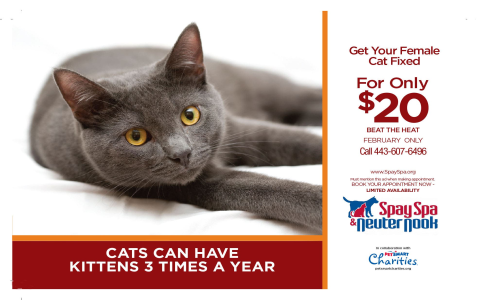
Many people wonder whether live cats can be purchased at large pet-supply chains. While these stores stock everything from food to toys, the presence of adoptable felines sparks ongoing discussion. This article reviews how one major retailer handles cats, why the approach matters, and what it means for adoption culture in general.
The Services Offered by the Retailer
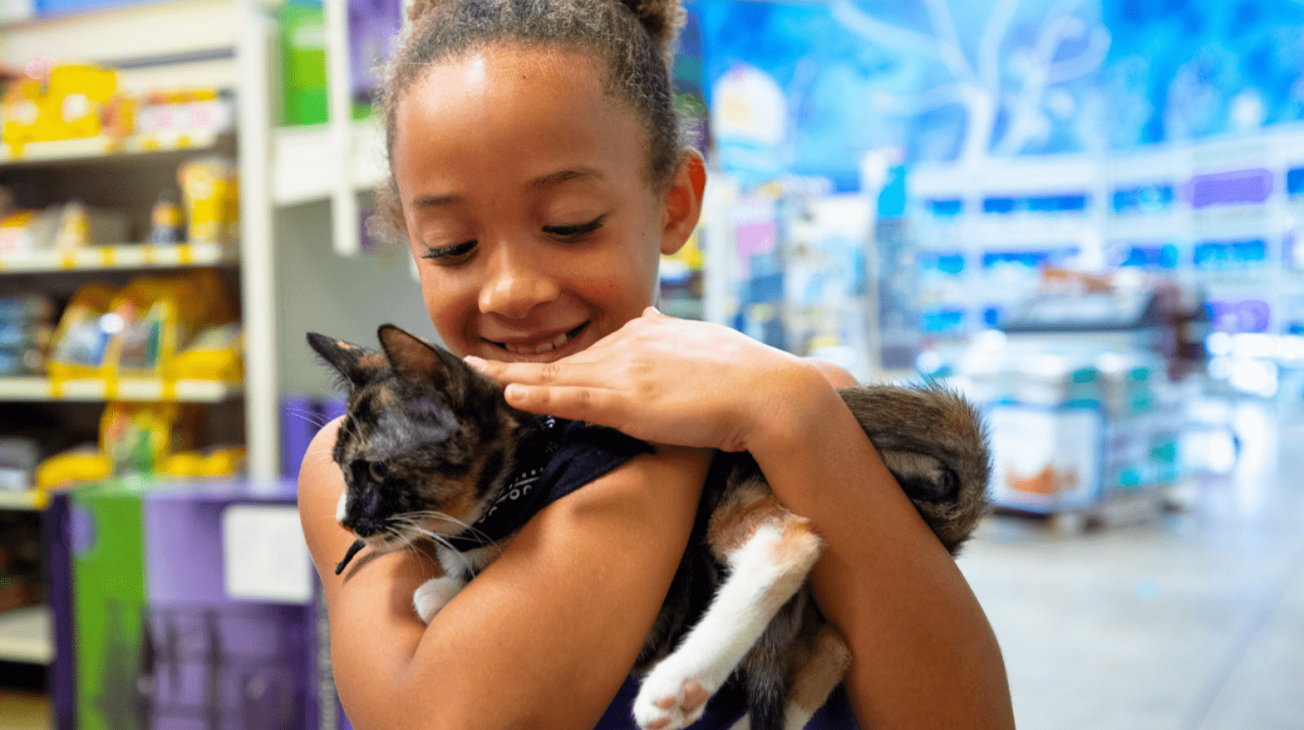
Beyond shelves of merchandise, the company provides grooming, training, and in-store adoption events. Staff members coordinate with local rescue groups to showcase animals, yet the line between “for sale” and “for adoption” can seem blurry to shoppers.
The Controversy Surrounding In-Store Cats
Supporters say visibility helps cats find homes faster. Critics worry that bright lights, constant foot traffic, and cramped enclosures stress sensitive animals. The debate hinges on balancing convenience with welfare.
The Argument for Hosting Cats In-Store
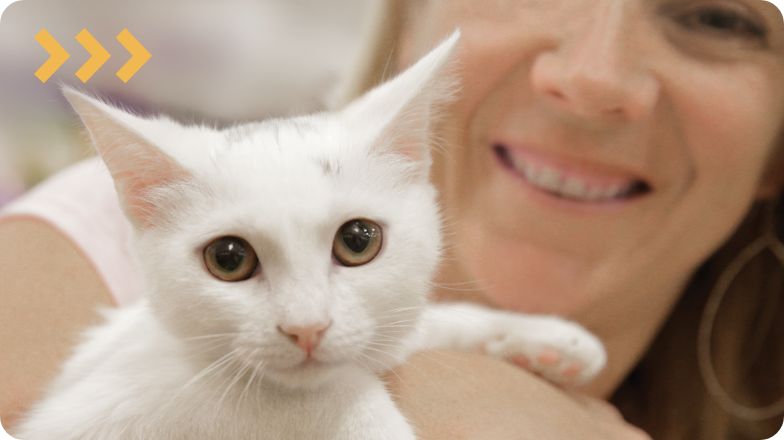
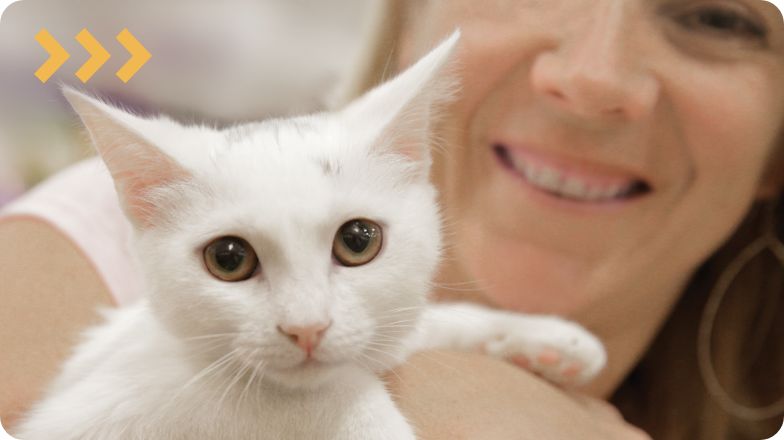
Having cats on site introduces adopters to animals they might never meet online. Busy families can handle paperwork while shopping for supplies, streamlining the process. Rescue partners also gain foot traffic they could not attract alone.
Furthermore, early data indicate that cats displayed in calm, well-managed enclosures enjoy higher adoption rates than those housed only in remote shelters. When visitors interact with relaxed, healthy animals, positive first impressions translate into quicker placements.
The Argument Against Hosting Cats In-Store
Detractors note that retail settings expose cats to nonstop noise, artificial lighting, and unpredictable handling. Chronic stress can suppress immunity, leading to upper-respiratory infections or behavior issues that jeopardize successful adoptions.
There is also concern that impulse decisions may place cats in homes unprepared for long-term care. Without rigorous counseling, returns and surrenders could rise, ultimately burdening the same rescue groups the program intends to help.
The Role of Adoption Centers
On-site adoption centers—separate from general merchandise areas—offer a middle ground. Glassed-in condos, quiet hours, and trained volunteers allow cats to decompress while still meeting the public. These zones shift the focus from transaction to matchmaking.
The Importance of Responsible Pet Ownership
Regardless of venue, education remains key. Prospective guardians should research costs, commit to lifelong veterinary care, and choose personalities that fit their households. Stores and rescues alike must prioritize counseling over quick turnover.
Conclusion
Displaying cats inside retail spaces can boost adoptions, yet welfare must guide every detail, from enclosure design to customer screening. When stores partner closely with reputable rescues and emphasize education, the animals benefit as much as the families welcoming them home.
Recommendations and Future Research
Operators should invest in lower-stress housing: softer lighting, sound-dampening panels, and scheduled breaks from visitor traffic. Regular behavioral assessments by certified professionals can catch early signs of distress.
Long-term studies comparing in-store versus shelter-only adoption outcomes will clarify best practices. Additional exploration of virtual meet-and-greet tools, post-adoption support hotlines, and community fostering networks can further refine the adoption journey for every cat involved.