



Boston Terrier and Chihuahua Mix: A Friendly Guide
Introduction
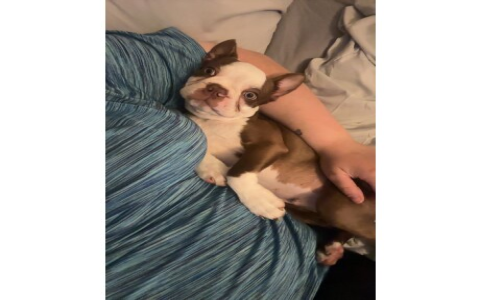
The Boston Terrier-Chihuahua blend—often nicknamed the “Chi-Boston”—has become a favorite among small-dog lovers thanks to its bright eyes and people-oriented personality. This cross pairs the alert charm of the Chihuahua with the easy-going nature of the Boston, resulting in a portable, affectionate sidekick. Below you’ll find an overview of looks, daily care, common health points, and tips on bringing one of these spirited companions home.
Key Traits of the Chi-Boston
Appearance
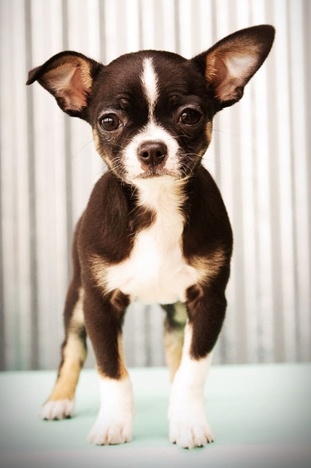
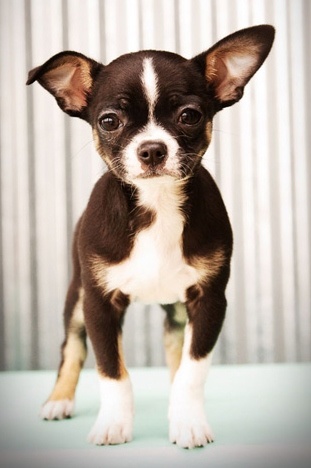
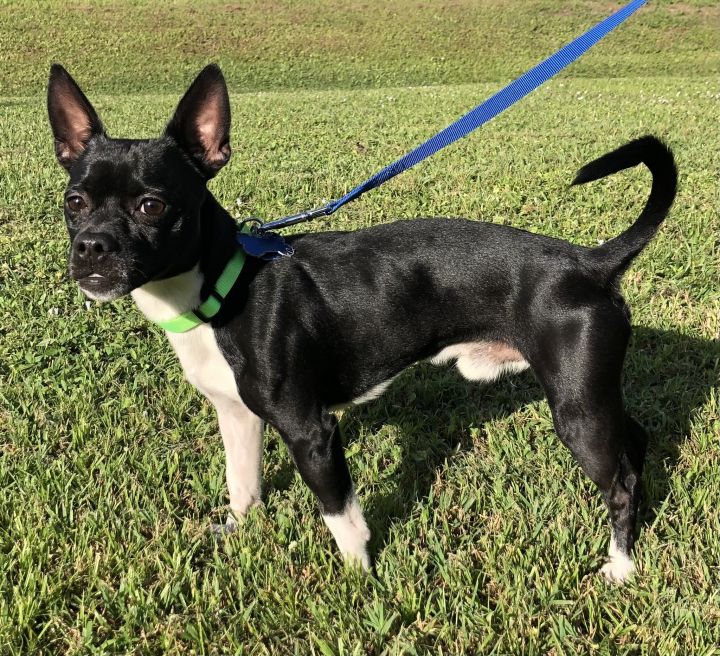
Most Chi-Bostons weigh between 10 and 25 lb and stand about a foot tall at the shoulder. Their short, glossy coat may be solid or sport classic Boston markings, and ear shape can tilt toward either parent—perky like a Chihuahua’s or slightly rounded like a Boston’s. Eyes are round and expressive, set in a compact, square-jawed face.

Temperament
Expect a cheerful shadow that wants to be wherever the action is. These dogs bond quickly with family, usually get along with respectful children, and can coexist with other pets when introduced gradually. Intelligence is high, so keep sessions short, fun, and reward-based to outsmart any stubborn streak.
Energy Level
While not hyper, the Chi-Boston is no couch ornament. Two brisk 20-minute walks plus a few play breaks keep spirits balanced. They love scent games, mini-agility, or simply trotting beside you on errands.
Daily Care
Diet

Offer measured meals of quality kibble appropriate for small, active breeds; split the daily amount into two feedings to reduce tummy upset. Treats should make up no more than ten percent of total calories to keep weight in check.
Grooming
A quick once-over with a soft bristle brush each week removes dead hair and distributes skin oils. Bathe only when dirty—over-washing can dry the coat. Trim nails monthly and check ears for wax buildup.
Exercise
Beyond walks, provide mental workouts: puzzle feeders, trick training, or hide-and-seek with toys. A tired Chi-Boston is a well-mannered housemate.
Health Overview
With good care, many Chi-Bostons live well into their teens. Still, it helps to know a few issues sometimes seen in small breeds.
Common Concerns
Patellar Luxation
The kneecap may slip out of groove, causing an intermittent skip in the step. Keeping your dog lean and supplying moderate exercise that builds thigh muscles can lower risk. Severe cases may need corrective surgery.
Dental Health
Crowded mouths invite tartar. Introduce tooth-brushing early, offer dental chews, and schedule professional cleanings as your vet advises.
Thyroid Function
Weight gain, dull coat, or low energy can signal an under-active thyroid. A simple blood panel can confirm, and daily medication restores normal metabolism.
Finding Your Dog
Start with local shelters and rescue networks; many wonderful small mixes wait for new homes. If you choose a breeder, visit premises, meet at least one parent, and request health-screening paperwork. Whichever route you take, reward responsible practices and walk away from red flags such as overcrowded kennels or vague medical histories.
Conclusion
The Boston Terrier-Chihuahua mix offers a handy size, comic personality, and deep loyalty. Provide consistent training, daily exercise, routine vet care, and plenty of affection, and you’ll gain a spunky companion ready to share every adventure—whether that’s a city stroll or a sofa snuggle.
References
– General breed information: consult national kennel club websites for Boston Terrier and Chihuahua standards.
– Patellar luxation, dental care, and hypothyroidism: speak with a licensed veterinarian for diagnosis and treatment guidance.