




Can I Touch a Seal? Navigating Human-Seal Encounters
Introduction
“Can I touch a seal?” is a question guides hear almost daily along rocky shorelines and viewing platforms. It springs from a natural wish to get closer to these agile marine mammals, yet it also opens the door to serious welfare and conservation issues. This article explores why the urge arises, what really happens when people try to pet seals, and how respectful distance supports wider protection goals.
The Appeal of Seals
With their streamlined shapes, liquid eyes and playful rolls, seals easily capture human imagination. Their charm invites proximity, and three main drivers keep the curiosity alive:
1. Curiosity and Learning

Watching a seal blink back from the surf sparks questions about its life below the waves. Some visitors hope a gentle touch will turn curiosity into a personal lesson.
2. Emotional Connection
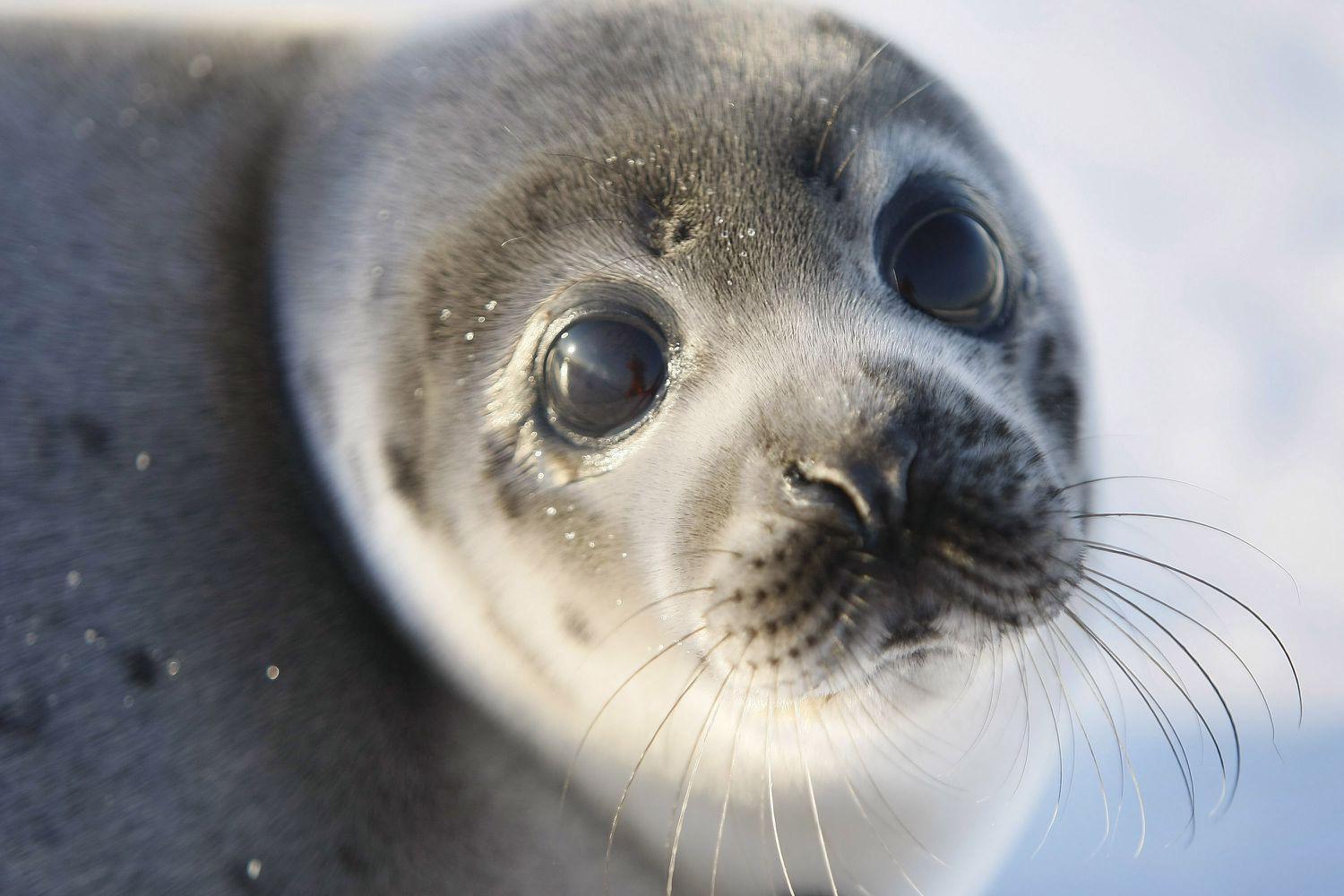
A seal’s calm gaze and soft vocalisations can feel like an invitation to bond, even though the animal is simply assessing its surroundings.
3. Photo Moments
A selfie that includes a whiskered snout promises likes and lasting memories, making the temptation to edge closer hard to resist.
The Ethics of Touching Seals
Understandable as the wish is, physical contact carries consequences most people never see:
1. Stress and Distress
Seals react to approaching humans with rapid heartbeats and frantic dives. Even a brief touch can trigger a surge of stress hormones that weakens immunity.
2. Behavioural Change
Animals that begin to associate people with food or attention may abandon natural hunting grounds, rest less and become vulnerable to injury or boat strikes.
3. Health Risks
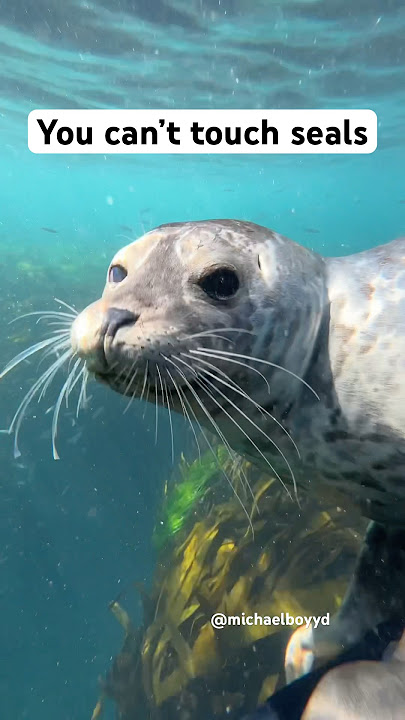
Microbes move both ways: bacteria harmless to us can devastate a seal pup, while seals can carry organisms that complicate human health.
Conservation and Education
Managing the urge to pet is part of safeguarding entire colonies. Effective strategies include:
1. Clear Interpretation
Signs, short talks and volunteer wardens explaining why distance matters turn casual visitors into informed allies.
2. Guided Observation
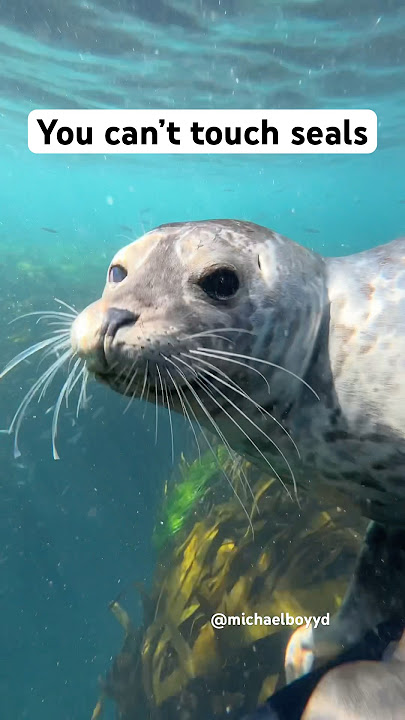
Where site conditions allow, trained staff can lead quiet viewing sessions that keep both seals and people relaxed while still offering memorable encounters.
3. Support for Protection Work
Donations, citizen-science counts and responsible tourism revenue fund habitat clean-ups, rescue teams and long-term research.
Scientific Perspectives
Field studies confirm what caretakers have long suspected:
1. Shifts in Behaviour
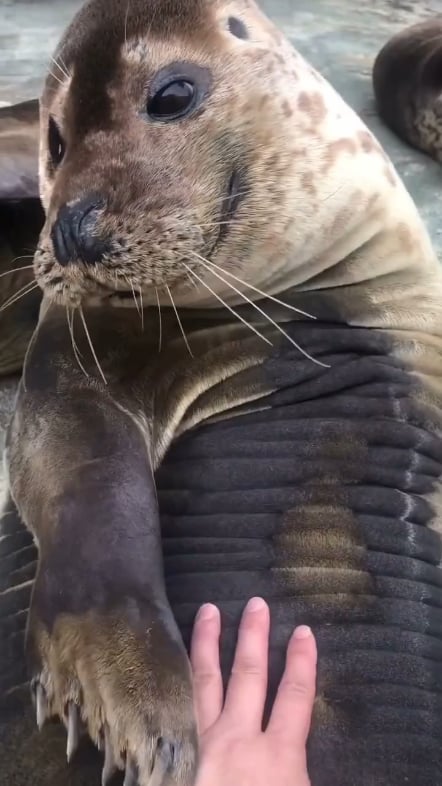
Seals repeatedly approached by people show reduced time hauled out, increased aggression among themselves and lower foraging success.
2. Measurable Stress
Researchers record elevated heart rates and stress-hormone spikes within minutes of human intrusion, even when animals appear calm on the surface.
Conclusion
The simple question “Can I touch a seal?” hides layers of ecological impact. Choosing admiration from a respectful distance supports healthier seals, safer beaches and richer coastal experiences for everyone. In the long run, restraint is the greatest form of affection we can offer.
Recommendations and Future Research
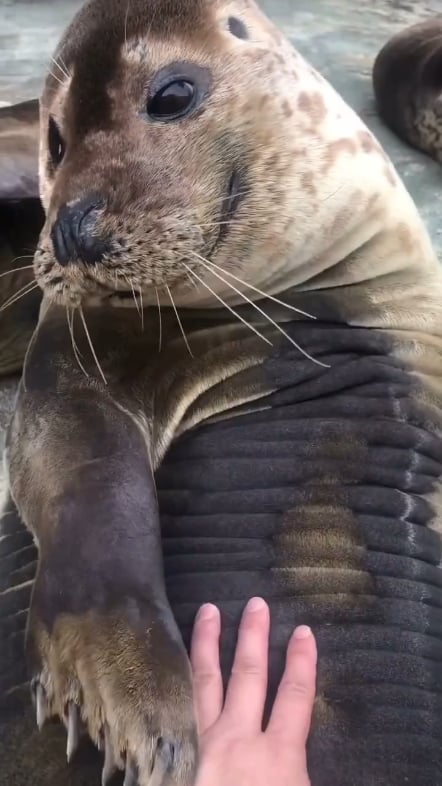
To keep improving coexistence, three priorities stand out:
1. Expand Habitat Protection
More fenced resting zones, seasonal speed limits for boats and pollution reduction give seals space to thrive without unwanted human pressure.
2. Deepen Outreach
School modules, virtual reality dives and multi-language apps can reach wider audiences before they even set foot on a beach.
3. Continue Long-Term Studies
Tracking how seals fare after tourism seasons, noise events or habitat restoration provides the evidence needed to refine guidelines quickly.
In the end, every visitor who keeps a respectful gap becomes part of a quiet conservation success story—one whiskered head at a time.