

The Impact of Local Pet Rescue Networks on Animal Welfare and Adoption
Introduction
Across many cities, community-based pet rescue networks have become key drivers of animal adoption and welfare. This article explores how one such network has influenced adoption rates and overall animal well-being, highlighting the value of grassroots initiatives in creating lasting change for companion animals.
The Role of Community Pet Rescue Networks
These volunteer-powered groups focus on matching homeless pets with caring families. By running shelters, hosting weekend adoption fairs, and offering guidance to new pet guardians, they nurture a culture of kindness and responsibility that ripples through entire neighborhoods.
Adoption Rates and Success Stories

Consistent outreach has helped place countless animals in permanent homes. Regional data indicate that towns with active rescue groups often see measurable increases in adoption levels compared with areas that rely solely on municipal facilities.
Success Stories
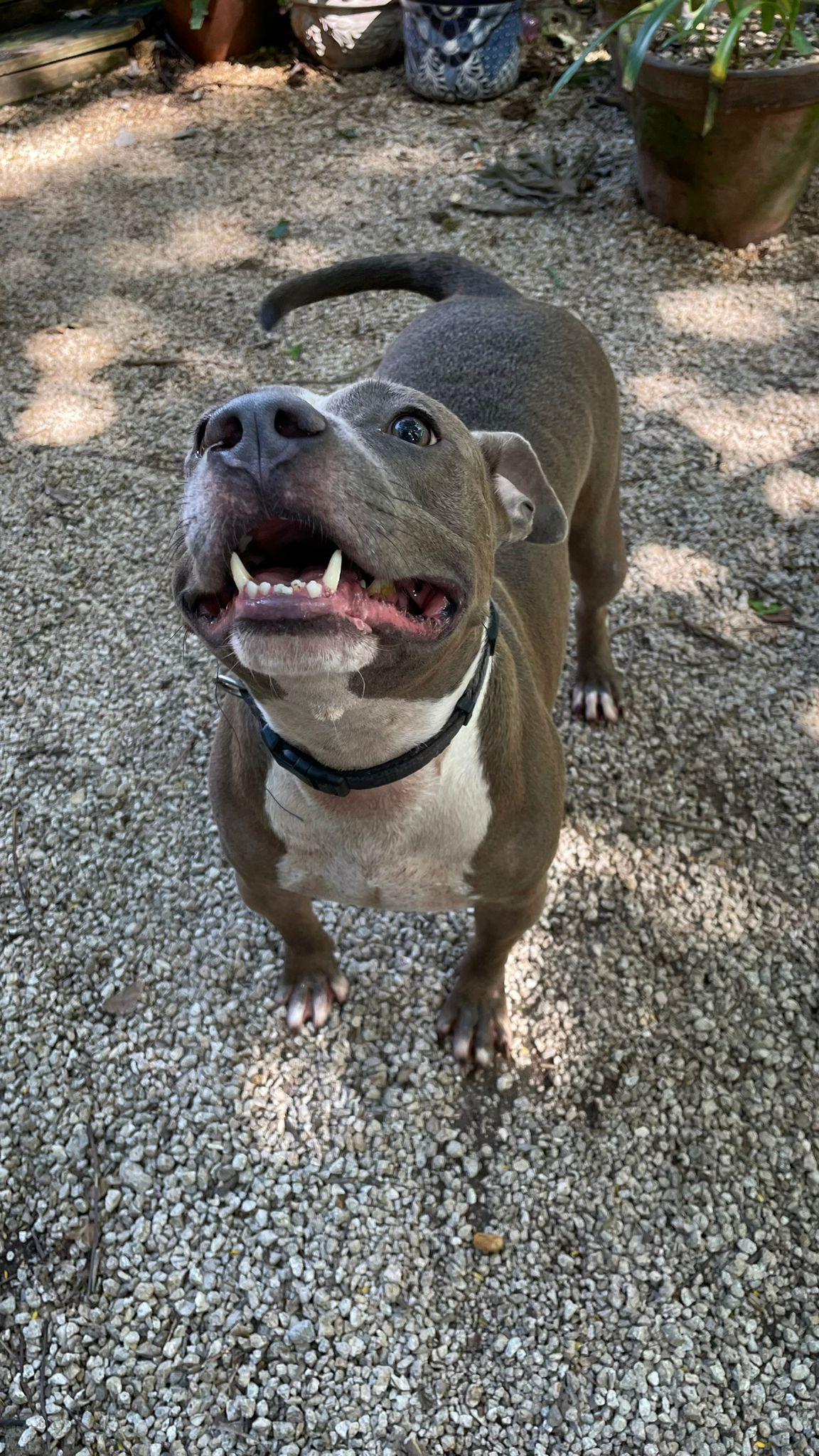
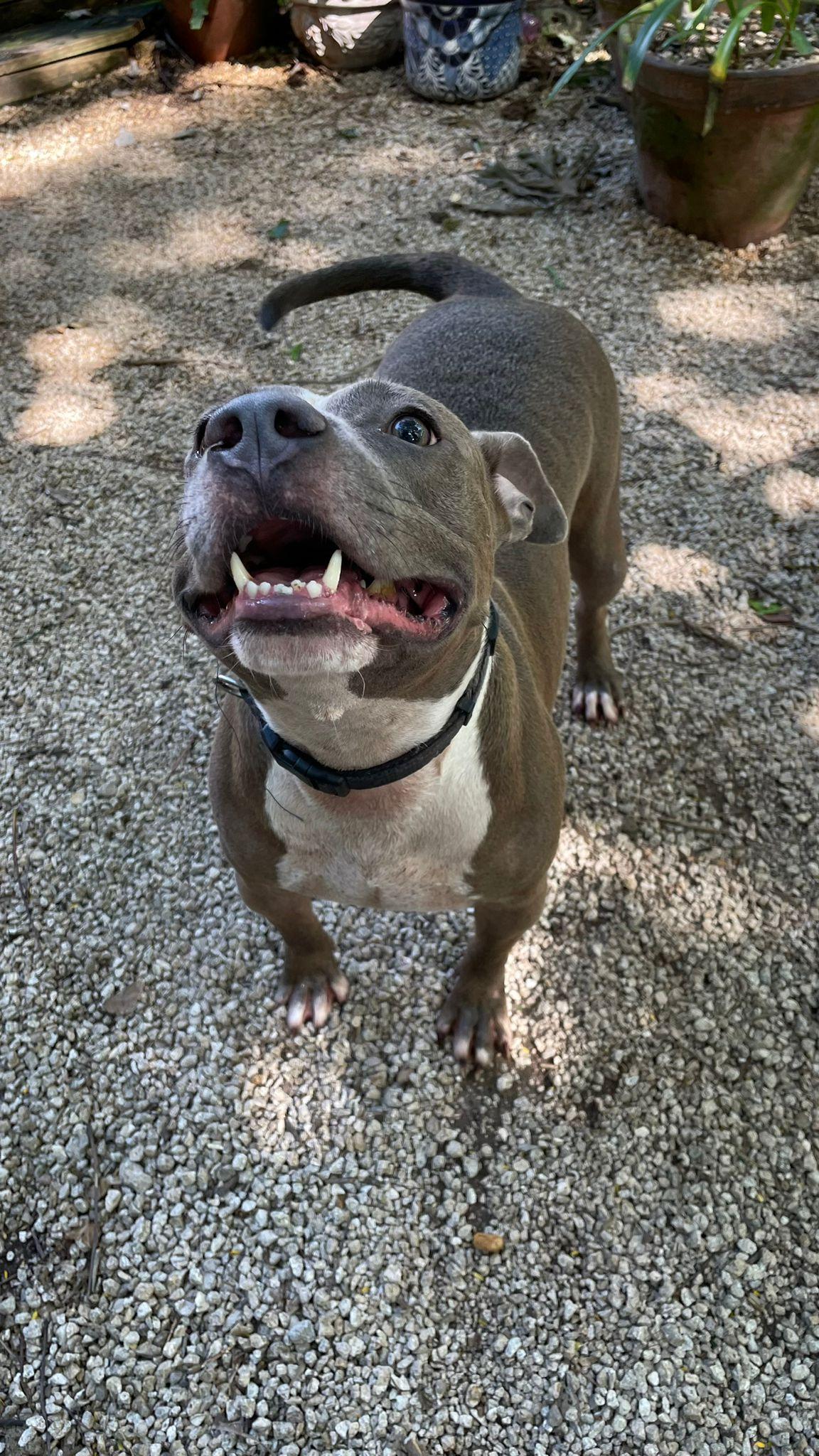
A recent example involves a gentle mixed-breed dog found wandering alone. After medical care and behavioral support provided by volunteers, the dog quickly bonded with an adoptive family, illustrating how second chances transform lives.
Strategies for Success
Effective networks rely on a blend of time-tested and modern tactics:
Community Engagement

Monthly meet-and-greet events, school presentations, and volunteer days keep the public involved. When residents handle leashes, donate supplies, or simply share social-media posts, they become ambassadors for adoption.
Partnerships
Collaborations with veterinary clinics, pet-supply shops, and civic groups supply everything from discounted surgeries to raffle prizes, stretching limited budgets further.
Technology and Social Media
Eye-catching photos, short videos, and livestreams allow animals to meet potential adopters online first, shortening shelter stays and reducing stress on staff and pets alike.
Challenges and Future Prospects
Intake numbers sometimes outpace adoption demand. To balance the equation, organizations are expanding foster programs, promoting spay-neuter education, and offering behavioral training that makes more animals adoptable.
Future Prospects
Goals for the coming years include:
– Raising adoption totals through expanded foster-to-adopt options.
– Deepening community ties with classroom workshops and senior-center visits.
– Joining regional coalitions to tackle the sources of pet overpopulation.
Conclusion
Local pet rescue networks prove that collective action can rewrite the story for homeless animals. By blending compassion with practical strategy, they continue to turn uncertainty into happy beginnings, one adoption at a time.
Recommendations and Future Research
To amplify these efforts, stakeholders can:
– Channel more grants and donations toward foster-care supplies and medical care.
– Launch upbeat media campaigns that celebrate adoption successes and responsible ownership.

– Fund studies on why pets lose homes, guiding preventive programs.
Future research should examine:
– Long-term well-being of adopted pets and their guardians.
– Which outreach methods most effectively reduce shelter intake.
– Economic benefits—such as local spending and job creation—linked to robust adoption services.
Pursuing these lines of inquiry will help societies craft even stronger safety nets for companion animals and the people who love them.