


Title: The Beagle–Dachshund Blend: A Playful Companion with a Story to Tell
Introduction:
Sometimes called a “Doxle,” the Beagle–Dachshund mix has quietly trotted into the spotlight among dog lovers. By merging the Beagle’s merry curiosity with the Dachshund’s bold charm, this crossbreed offers a pocket-sized package of personality. Below, we look at where the mix came from, what it tends to be like, and what daily life with one can mean—both the smiles and the homework.
History and Origin
Intentional pairings of Beagles and Dachshunds began when enthusiasts hoped to soften the Dachshund’s stubborn streak while keeping the Beagle’s love of company. The resulting puppies soon caught attention for their comical silhouettes and upbeat attitudes. By the early 2000s, the blend was finding steady demand across North America and parts of Europe as families searched for a versatile, apartment-friendly buddy.
Social media photos of short-legged, big-eared pups chasing balls in city parks helped the trend spread, and today the cross is a familiar face at local shelters as well as in planned litters.
Characteristics of the Beagle–Dachshund Blend
While every dog is an individual, several traits pop up again and again:

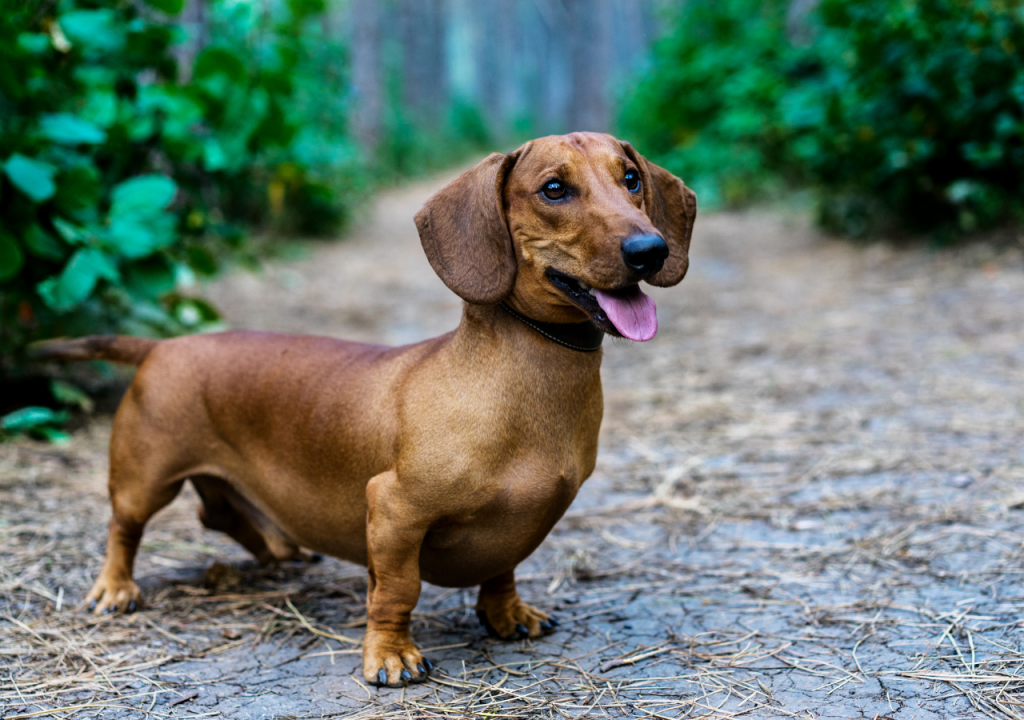
1. Appearance: Most have a smooth, close-lying coat that can be tricolor, red, chocolate, or cream. The long body, deep chest, and slightly crooked legs hint at the Dachshund side, while the domed skull and round eyes echo the Beagle.
2. Size: Adults usually weigh between fifteen and thirty pounds, standing about ten inches at the shoulder—sturdy enough for hikes, compact enough for couch cuddles.
3. Temperament: Expect a social butterfly who wants to be where the action is. They generally greet guests with wagging tails and can learn to respect smaller pets if introduced calmly.
4. Energy Level: Two brisk walks and a scent game or two keep the average dog content; without outlets they may sing the song of their people or redesign your sofa cushions.
5. Health: Crossbreeding can dilute some inherited problems, but back issues, ear infections, and weight gain still deserve watchful eyes. Routine vet visits, measured meals, and ramps instead of jumps go a long way.
Benefits of Sharing Life with One
1. Constant Companion: Their default setting is “join in,” whether you’re binge-watching shows or tending the garden.

2. Trainability: Food motivation runs high; pair treats with cheerful praise and short sessions, and most pick up basics quickly.
3. Flexible Home Life: A secure balcony or small yard suffices, provided walks happen. They also adapt well to larger properties, happily patrolling fence lines for imaginary intruders.
4. Robust Gene Pool: Mixed ancestry can mean fewer extreme breed-specific ailments, though luck and lifestyle still steer the ship.
Challenges and Considerations
1. Exercise Discipline: Skipping daily activity invites creative mischief—think excavated flowerbeds or serenades for the neighbors.
2. Voice Control: Both parent breeds like to comment on life. Early “quiet” cues and mental enrichment reduce the volume.
3. Weight Watch: A long spine under extra pounds risks injury. Portion control and low-impact play keep them trim.
4. Coat Care: Short hair still sheds; a rubber glove once a week captures loose fur and doubles as a bonding massage.
Conclusion:
The Beagle–Dachshund mix delivers a portable dose of joy wrapped in an unmistakable silhouette. With sensible exercise, consistent guidance, and affection given right back, these dogs reward owners with loyalty, laughter, and a lifetime of nose-nudges. Do your homework, meet the parents when possible, and you may find the perfect low-slung sidekick waiting at the end of a wagging tail.
Future Research:
Long-term studies tracking spinal health, scent-drive intensity, and optimal training techniques for this cross could sharpen care guidelines. Meanwhile, sharing owner anecdotes through breed clubs helps newcomers set realistic expectations and keeps these spirited dogs out of shelters.