



Title: A Friendly Guide to Tuxedo Cat Personality
Introduction:
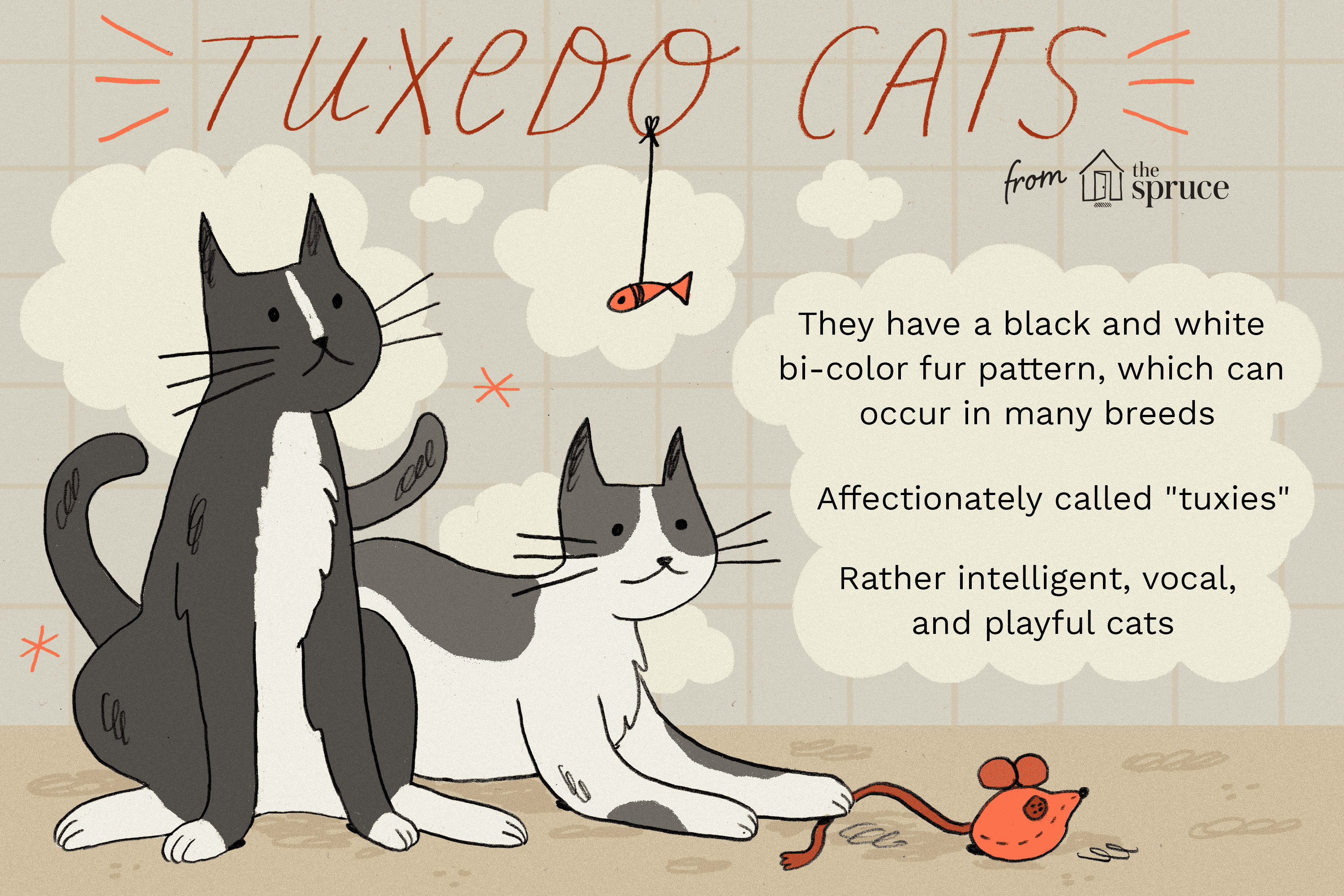
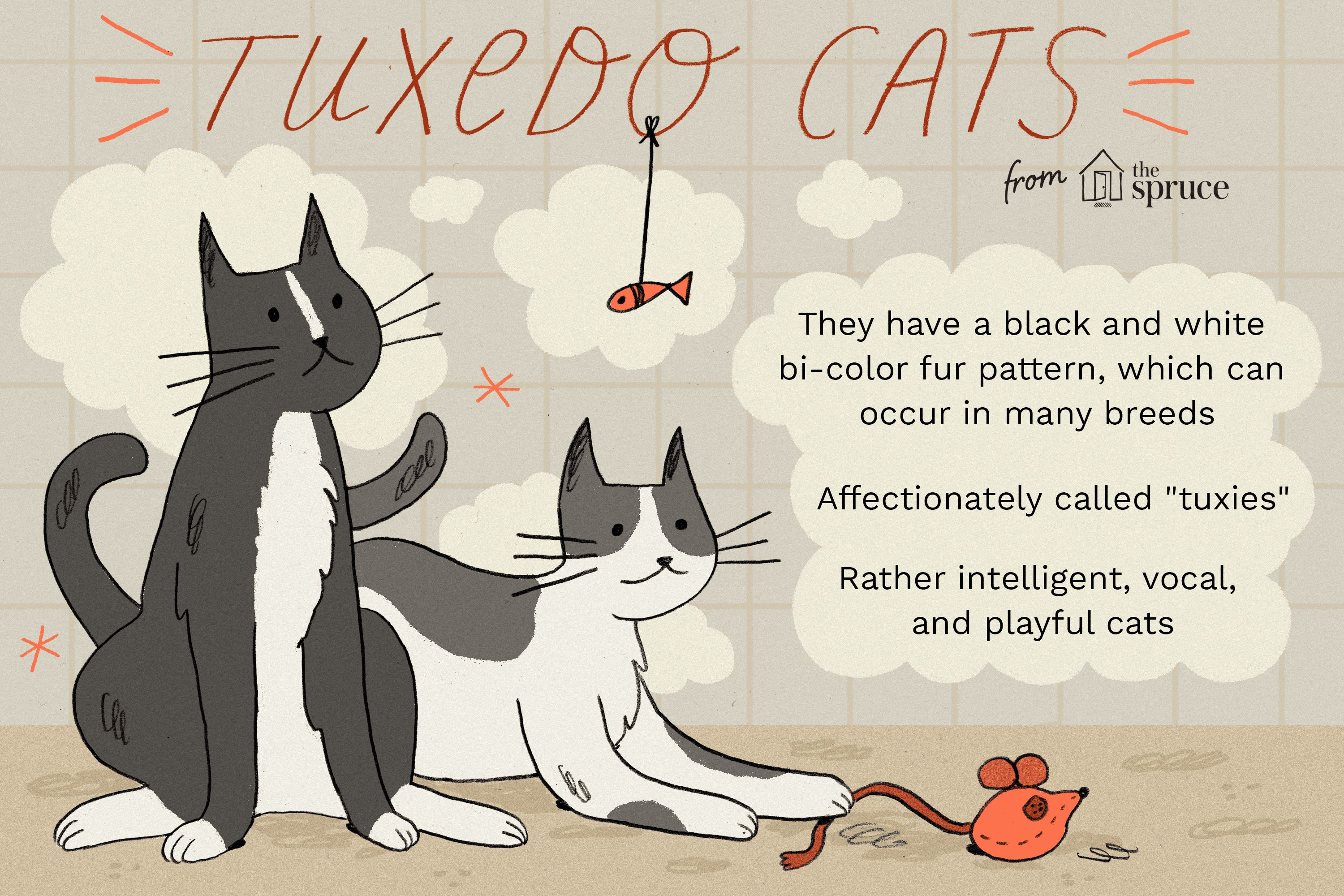
Tuxedo cats, instantly recognizable by their crisp black-and-white coats, have long charmed people around the world. Their elegant appearance and lively personalities inspire curiosity and affection. This article explores what makes these cats special, looking at common traits, social habits, and simple ways to keep them happy.
1. Coat Color and Personality Links
The sharp contrast of a tuxedo pattern comes from everyday genetic rules: white spotting genes overlay a basic black coat. While color itself does not dictate temperament, many owners notice that their tuxedo pets seem extra confident. Some behaviourists think this boldness may be reinforced when people respond warmly to the “dressed-up” look, encouraging the cat to stay center stage.
Regardless of theory, daily observation shows that tuxedo cats often stride into a room as if they own it, ready to greet visitors head-on rather than hide under the sofa.
2. Social Butterflies in Black and White
Most tuxedo cats enjoy company. They frequently follow family members from room to room, offer head bumps, and settle on laps the moment someone sits down. Early positive experiences with people—gentle handling, play, and treats—help strengthen this friendly streak.
Because they tend to be outgoing, tuxedo cats usually adapt well to busy households, including those with respectful children or other pets. A consistent routine and a safe retreat corner are still important, but overall they thrive on interaction.
3. Playful Explorers
A tuxedo cat’s mind stays curious long after kittenhood ends. Empty boxes, crinkled paper, and feather wands all become tools for investigation. Providing climbing shelves or a sturdy cat tree channels their energy upward and saves the curtains.
Rotate toys every few days to keep things fresh. Puzzle feeders that release kibble a piece at a time satisfy the hunter inside while preventing scarf-and-barf eating habits.
4. Reading Their Signals
These cats are conversational. A short, upward trill often means “hello,” while a long, melodic meow may request dinner. Learn the soundtrack: chirps during bird-watching, quiet purrs when relaxed, and rapid tail flicks that warn “give me space.”
Watch the eyes too. Slow blinks directed at you are the feline equivalent of a warm smile; return the gesture to strengthen your bond.
5. Health and Harmony
Behaviour and well-being go paw in paw. Schedule annual vet visits, keep vaccinations current, and provide fresh water plus balanced meals. Overweight cats can become grumpy and inactive, so measure food and encourage play.
Notice sudden changes—hiding, over-grooming, or loss of appetite—as these can signal pain or illness. Early attention keeps small issues from becoming big problems.
Conclusion:
Tuxedo cats blend classic style with an engaging personality. By offering steady friendship, fun activities, and routine care, owners can enjoy years of affectionate head butts and entertaining antics. Celebrate the tuxedo in your life by listening to their chatter, joining their games, and keeping healthcare on track.
Recommendations:
1. Start gentle handling and play in kittenhood to build trust.
2. Offer shelves, tunnels, and rotating toys to satisfy curiosity.

3. Book regular vet check-ups and monitor weight.
4. Learn your cat’s unique vocal and body cues.
5. Share stories with other tuxedo guardians to discover new enrichment ideas.