



The Comprehensive Canine Search Assessment: A Key Resource in Detection Work
Introduction
The canine search assessment has become an essential instrument for locating lost or vulnerable individuals. This overview explores how the evaluation is conducted, why it matters, and the difference it makes during search missions. By looking at the training steps, performance measures, and common obstacles, readers can gain a clear picture of how these dogs strengthen modern rescue efforts.
The Methodology of the Canine Search Assessment
1.1 Selection of Dogs
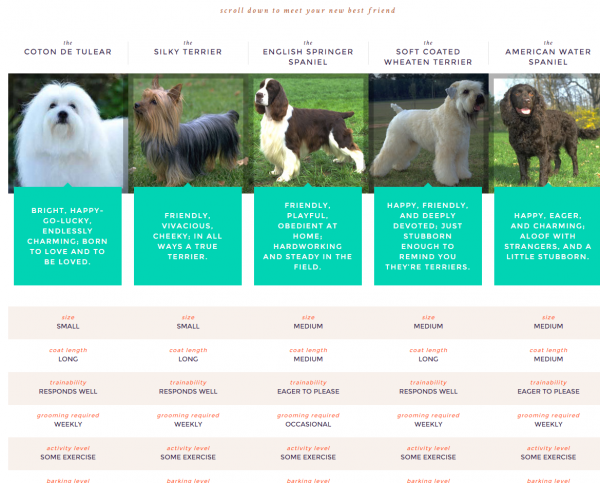
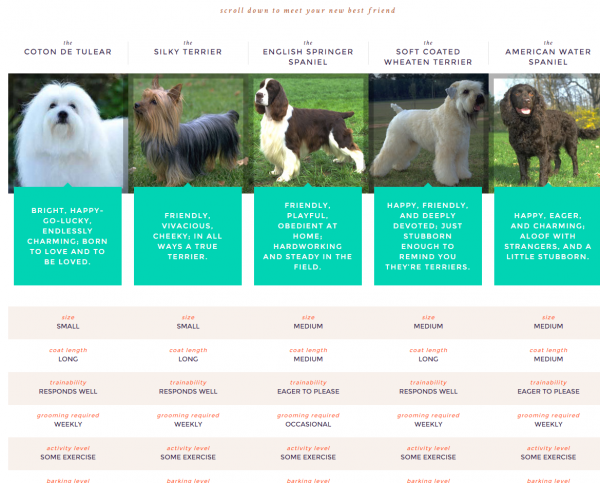
Handlers begin by choosing dogs with strong scenting talent, steady temperament, and quick learning ability. Breeds prized for tracking work—such as shepherds, retrievers, and hounds—are frequent picks because of their natural aptitude.
1.2 Training Process
Training is gradual and intensive. Dogs are introduced to a wide range of human scent samples in varying conditions, then taught to signal a find in a way the handler can easily read. Daily drills reinforce focus, endurance, and the ability to ignore distractions.
1.3 Test Procedure
During an assessment, the dog works a defined area where a volunteer has left a scent trail. The handler watches for subtle changes in behavior that indicate the dog has picked up the target odor. Success is measured by speed, accuracy, and the clarity of the dog’s alert.
The Significance of the Assessment
2.1 Faster Coverage
A single dog can sweep large tracts of land in minutes, shaving hours off a search and freeing human teams for detailed follow-up.
2.2 High Scent Discrimination
Even when days have passed or weather has turned, a trained nose can separate the target scent from background odors, reducing the chance of overlooking someone.
2.3 Morale Support
The presence of a calm, confident dog reassures both rescuers and the people they are trying to find, easing stress in tense situations.
The Effectiveness of the Assessment
3.1 Field Results
Teams routinely report finds that began with a dog indicating a small, specific zone, allowing dig crews or medics to concentrate their efforts and save lives.
3.2 Research Backing
Peer-reviewed studies show that well-trained dogs can achieve location rates well above those of scent-discriminating machines, especially in complex terrain.
Challenges and Limitations
4.1 Environmental Variables
Shifting wind, heavy rain, steep ground, or recent foot traffic can all dilute or move scent, demanding flexible tactics and sometimes repeated passes.
4.2 Handler Skill
The dog is only half of the team; an inexperienced handler may misread cues or fail to support the search pattern, underscoring the need for ongoing joint training.
Conclusion
The canine search assessment remains one of the most reliable assets in a rescue toolkit, combining speed, precision, and comfort. Recognizing its limits while refining training and support ensures it will continue to reunite families and bring closure to communities.
Recommendations and Future Research
To keep improving outcomes, specialists suggest:
– Updating curricula for both dogs and handlers with the latest behavioral science.
– Studying how climate and terrain alter scent dispersion so teams can adapt faster.
– Pairing canine sweeps with tools such as drones or thermal imagers to confirm alerts and reduce false positives.
By investing in these areas, agencies can extend the reach and reliability of canine-assisted search for years to come.