




Title: How Online Pet Listings Shape Dog and Puppy Adoption
Introduction:
Adopting dogs and puppies has grown steadily in recent years, and popular listing sites have accelerated the trend. This article examines how digital classifieds influence pet adoption, highlighting advantages, common pitfalls, and possible improvements. By looking at the way these platforms operate, we can see why they have become essential for rescue groups, shelters, and future pet parents.
Understanding Online Pet Classifieds
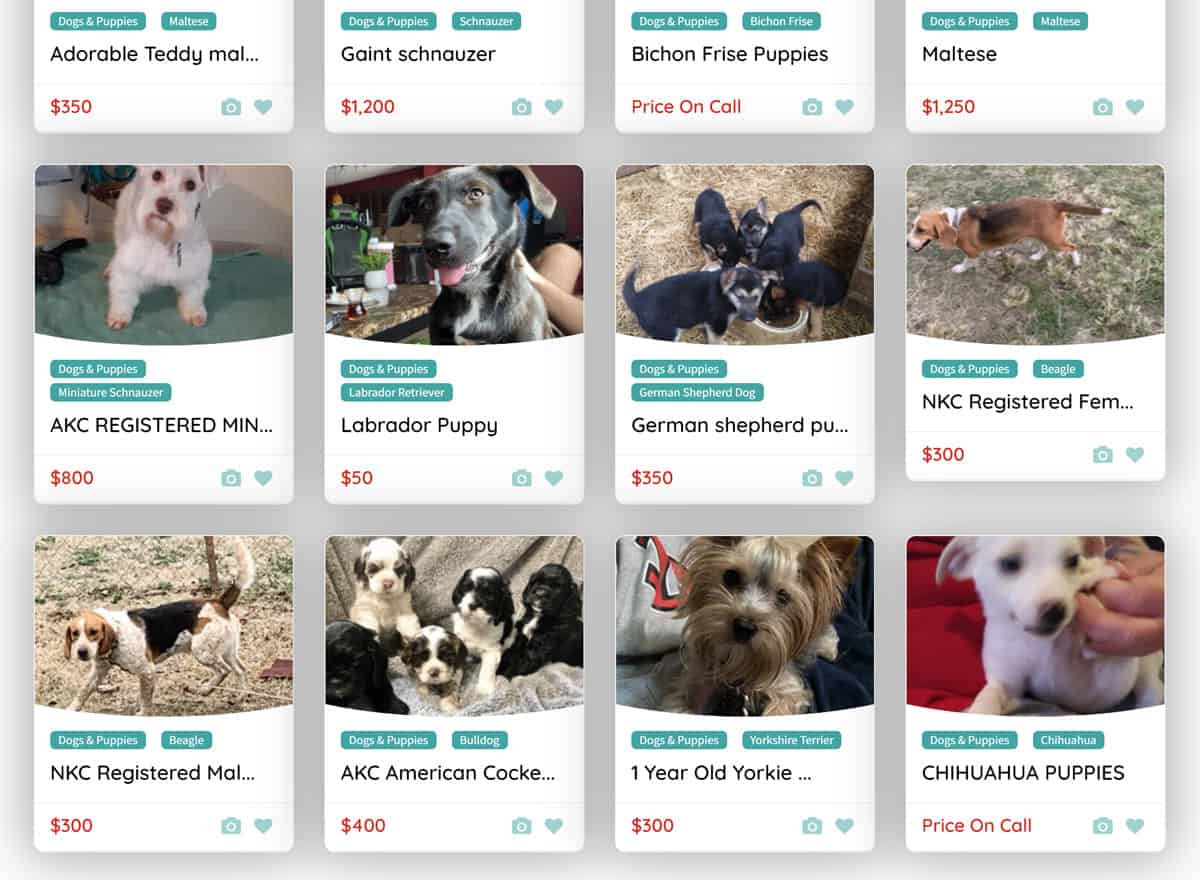
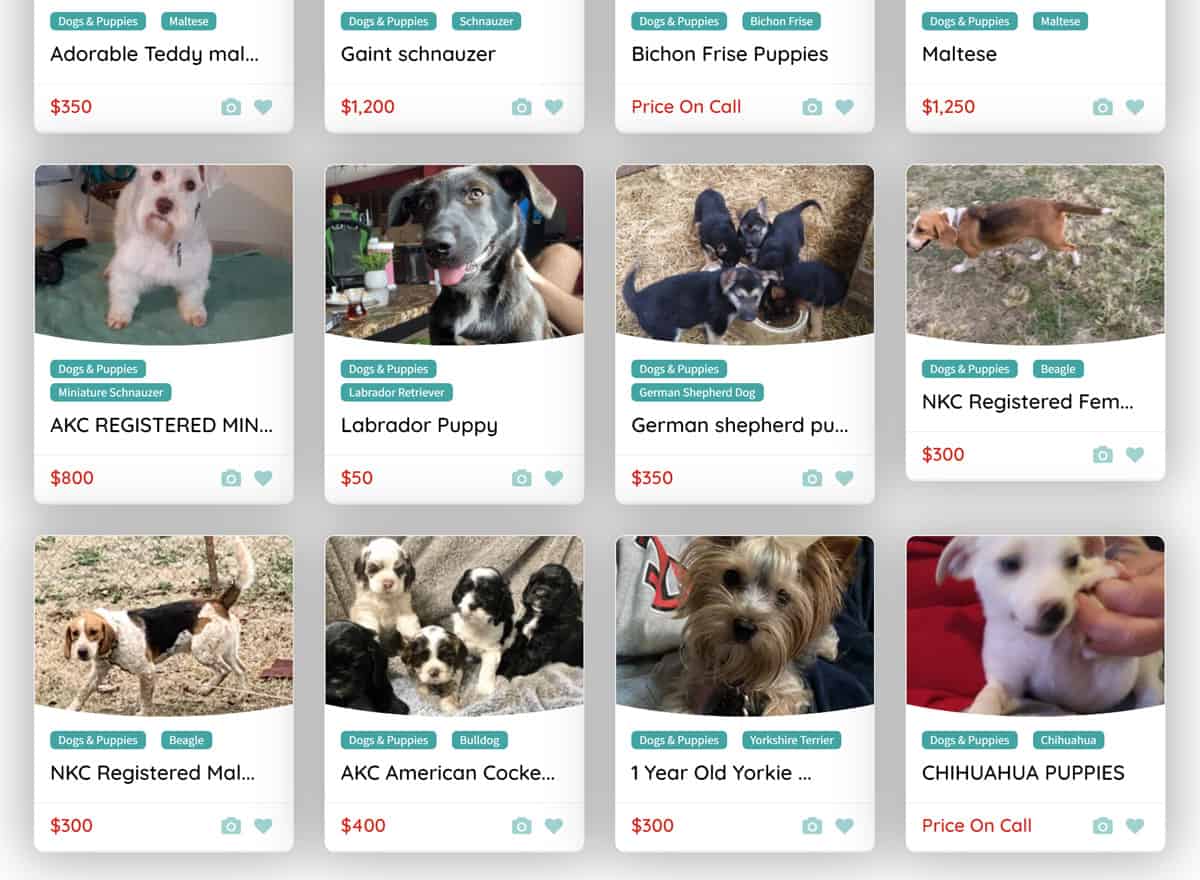
Web-based classified services let private owners and nonprofits post notices for animals in need of homes. The format gives shelters a broad audience while allowing adopters to browse available pets at any hour. For dogs and puppies, such marketplaces act as a bridge between caregivers looking to rehome animals and families ready to adopt.
The Benefits of Digital Listings for Adoption
1. Increased Visibility:
Online posts expose dogs and puppies to thousands of viewers in minutes, multiplying the odds of a speedy, well-matched placement.

2. Accessibility:
Prospective guardians can filter by size, age, or temperament without driving to multiple locations, saving time and travel costs.
3. Cost-Effective:
Posting a pet online is usually free or inexpensive, sparing shelters the price of print ads or large in-house displays.
4. Enhanced Communication:
Built-in messaging lets adopters ask questions about exercise needs, medical care, or behavior before meeting the animal, leading to more informed decisions.

The Challenges of Digital Listings
1. Inadequate Screening:
Some posts omit home-checks or reference calls, increasing the risk of pets going to ill-prepared households.
2. Scams and Fraud:
Criminals may request deposits for animals that do not exist, so users must verify identities and arrange safe, in-person meetings.
3. Limited Information:
Short advertisements sometimes lack vet records or background details, making it harder for adopters to gauge compatibility.
The Role of Classified Sites in Animal Welfare
By showcasing adoptable dogs to a wide public, these platforms shorten shelter stays and ease overcrowding. They also encourage responsible ownership by prompting users to think about long-term care, living space, and financial commitment before they take an animal home.
Furthermore, recurring posts from reputable rescue groups raise awareness of spay-neuter programs, vaccination clinics, and volunteer opportunities, amplifying community support for animal welfare.
Future Prospects and Recommendations
To keep improving outcomes for dogs and adopters alike, the following steps are suggested:
1. Strengthen Screening Processes:
Platforms can add checklists that require proof of landlord permission, reference letters, or virtual home tours before an adoption is finalized.
2. Enhance Security Measures:
Verified badges, two-factor authentication, and secure payment options help deter fraud and build user trust.
3. Provide Comprehensive Information:
Templates that prompt upload of health certificates, behavioral notes, and vaccination dates give adopters a clearer picture of each pet.
4. Collaborate with Animal Welfare Organizations:
Joint campaigns—such as reduced-fee adoption weekends, online training workshops, or holiday foster drives—can move more dogs into permanent homes while educating the public.
Conclusion:

Digital classifieds have become a powerful ally in matching dogs and puppies with loving families. By tightening safeguards, encouraging detailed listings, and partnering with rescue professionals, these platforms can continue to expand their positive impact on animal welfare and responsible pet ownership.