



The Rise and Impact of Online Canine Marketplaces: A Comprehensive Overview
Introduction
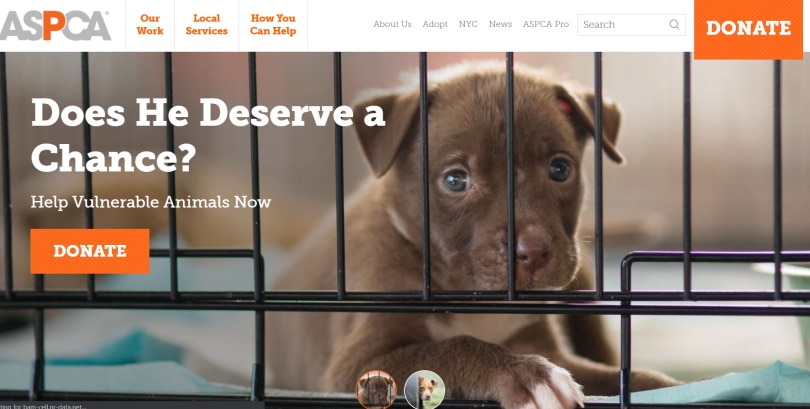
The digital age has transformed how people acquire goods and services, and pet ownership is no exception. Websites that list dogs for sale have become a common route for prospective owners. These platforms promise convenience and variety, yet they also spark debate about animal welfare and responsible sourcing. This overview examines the growth, advantages, drawbacks, and ethical questions surrounding online canine marketplaces.
The Emergence of Online Canine Marketplaces
1.1 The Expansion of Digital Pet Platforms
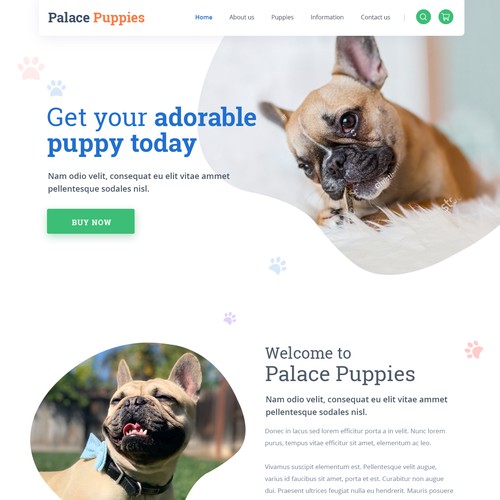
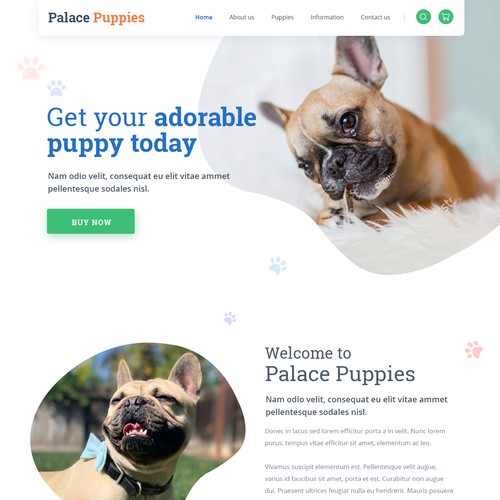
Over the last ten years, dedicated websites for purchasing dogs have multiplied. As e-commerce habits deepen, more households browse virtual kennels before choosing a companion. Listings span everything from well-known pedigrees to unique mixes, accommodating a wide spectrum of tastes and budgets.
1.2 Convenience at a Click
Central to their popularity is round-the-clock accessibility. Shoppers can compare profiles, photos, and descriptions without leaving home, reducing the legwork traditionally involved in visiting multiple breeders or shelters. Basic details such as estimated age, temperament notes, and vaccination status are usually displayed, helping buyers narrow choices quickly.
Benefits of Online Canine Marketplaces
2.1 Broad Selection
These sites aggregate numerous litters and individual dogs in one place, simplifying the search for a pet that fits an owner’s lifestyle, living space, and activity level.
2.2 Disclosed Information
Reputable listings often include health checks, behavioral observations, and sometimes even short videos. Such openness can guide adopters toward animals whose needs match their own capabilities.
2.3 Access to Less Common Breeds
Finding a breed that is scarce in local shelters becomes easier when search filters cover nationwide—or even international—listings, saving time and travel.
Challenges and Concerns
3.1 Welfare Considerations
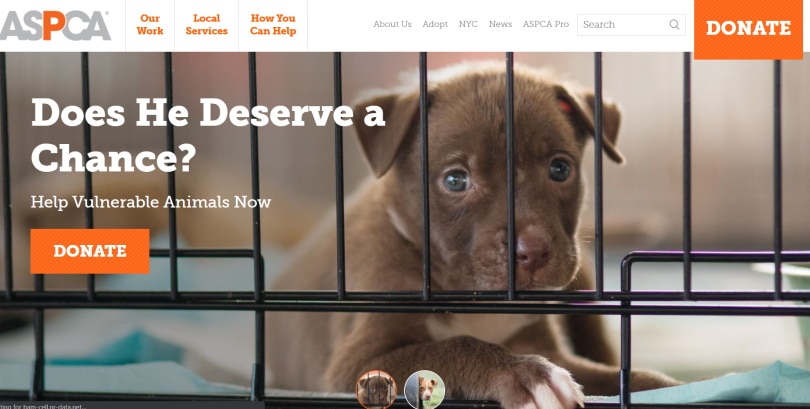
Not every seller adheres to high welfare standards. Some platforms inadvertently give visibility to high-volume breeding operations where adequate socialization, space, and veterinary care may be lacking.
3.2 Hidden Health Issues
Dogs marketed through mass listings can arrive with undisclosed illnesses or genetic conditions, leading to unexpected veterinary expenses and emotional strain for new owners.
3.3 Reduced Personal Connection
Skipping face-to-face meetings can weaken the initial bond. Visiting a shelter or meeting a breeder in person often allows both dog and human to assess compatibility, something static photos cannot fully convey.
The Role of Oversight and Buyer Education
4.1 Strengthening Standards
Clearer industry guidelines and routine checks can discourage substandard breeding. When platforms require verified health certificates and reference inspections, overall welfare tends to improve.
4.2 Educating Prospective Owners
Informing the public about red flags—such as vague medical histories or pressure to complete a sale overnight—empowers buyers to walk away from questionable deals and consider adoption or certified responsible breeders instead.
Conclusion
Online canine marketplaces are now woven into the fabric of pet acquisition, offering speed and variety. Balancing that convenience with safeguards for animal welfare and consumer protection remains an ongoing task. Through thoughtful regulation and informed choices, these tools can evolve into forces that support, rather than undermine, responsible pet guardianship.
Recommendations and Future Research
To foster a healthier marketplace, the following steps are suggested:
– Require verifiable health documentation and breeder credentials before any listing goes live.
– Display transparent sourcing details so buyers understand where each dog comes from.
– Highlight shelter adoption and foster programs as ethical, cost-effective alternatives.
– Support studies that track the long-term well-being of dogs obtained online versus those adopted through traditional channels.
By refining practices and continuing research, stakeholders can cultivate an environment that places canine welfare and informed ownership at the forefront of every transaction.