



Understanding the Furry Fandom: A Balanced Overview
Introduction
The furry fandom, a vibrant subculture centered on anthropomorphic animal characters, has grown steadily in visibility. Enthusiasts—often called furries—celebrate art, storytelling, and performance through animal-inspired avatars. This overview explores the movement’s background, cultural footprint, and the range of opinions it inspires.
The Origins of the Furry Fandom
Early Beginnings
Interest in anthropomorphic animals began coalescing in the late 1970s and early 1980s within science-fiction and comic circles. Amateur publications and small meet-ups allowed fans to trade artwork and stories, laying the groundwork for later conventions and online spaces.
Evolution and Growth
As internet forums emerged, the community expanded rapidly. Chat rooms, dedicated websites, and social media enabled creators to share costumes, illustrations, and animations worldwide, turning a niche hobby into a global network of conventions and collaborative projects.
Cultural Significance of the Furry Fandom
Art and Literature
Furries contribute richly to visual and written arts. Original species, digital paintings, graphic novels, and animated shorts circulate widely, often showcased in themed galleries and crowdfunding campaigns that highlight the community’s creative spirit.
Fashion and Performance
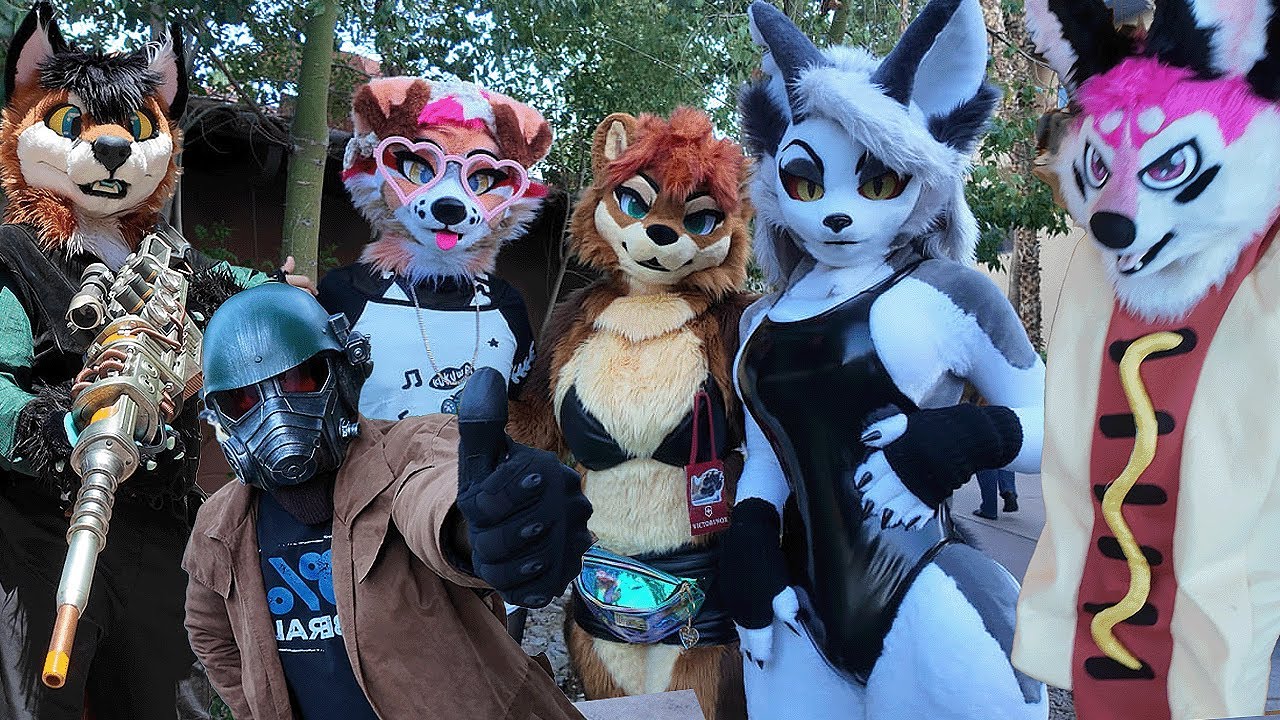
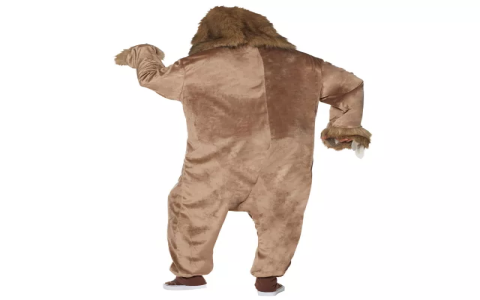
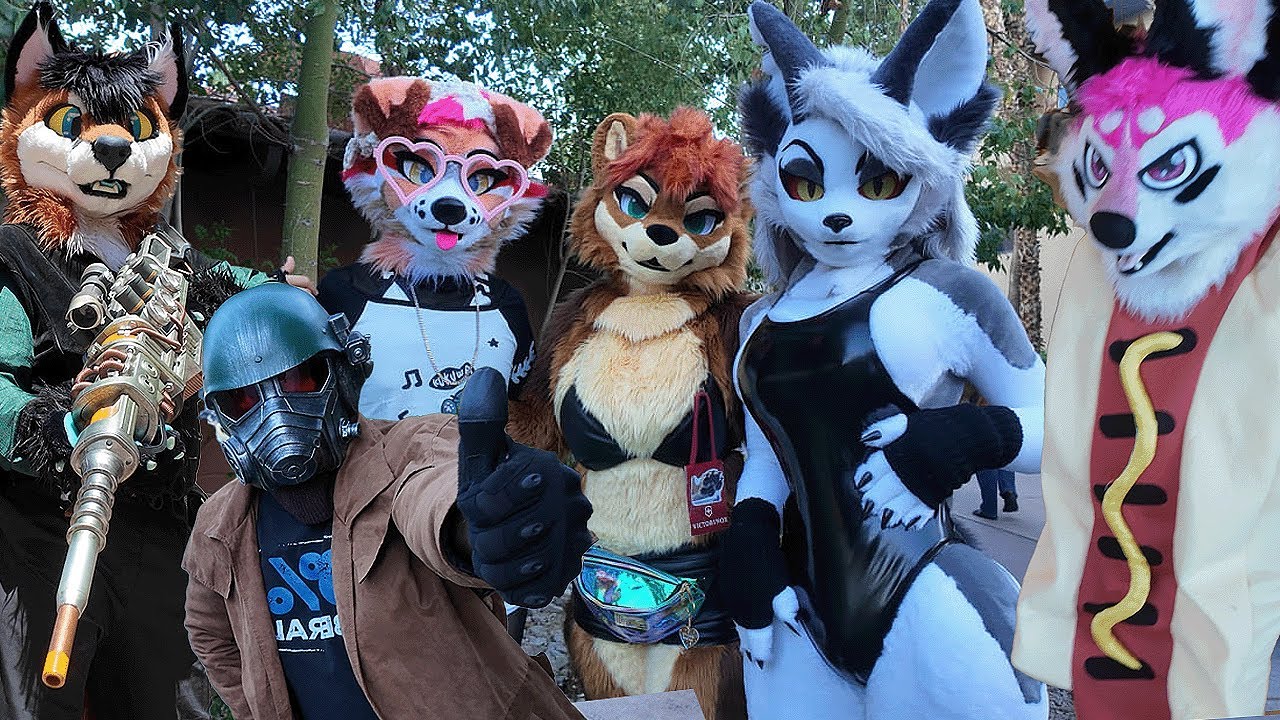
Hand-crafted “fursuits”—full or partial animal costumes—are a hallmark of the culture. Makers spend months on stitching, padding, and cooling systems so wearers can parade, dance, or raise funds for charity at gatherings large and small.
Social and Community Dynamics
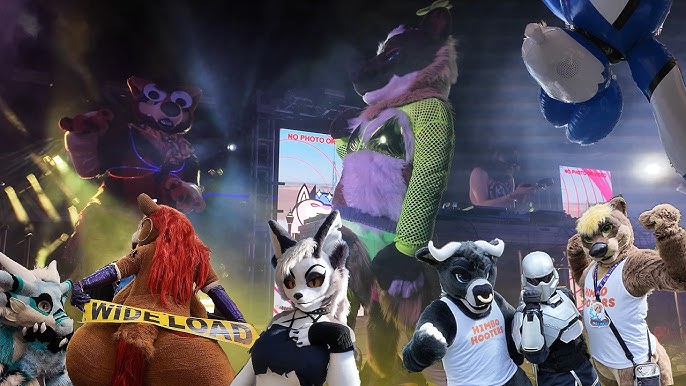
Local meet-ups, international conventions, and multiplayer game nights foster friendship and mentorship. Newcomers frequently cite the welcoming atmosphere and emphasis on mutual respect as reasons for staying engaged.
Perspectives on the Furry Fandom
Positive Perspectives
Supporters praise the fandom as an outlet for artistic growth, confidence building, and philanthropic drives such as wildlife conservation donations. Many participants report improved social skills and reduced feelings of isolation.

Negative Perspectives
Critics occasionally associate the fandom with sensationalized portrayals, focusing on fringe behavior rather than everyday creativity. Such depictions can overshadow the family-friendly panels, educational workshops, and charity events that dominate most conventions.
Supporting Evidence and Research
Studies on Furry Culture
Academic surveys indicate that members value self-expression and community cohesion. Findings consistently show above-average engagement in creative hobbies and volunteerism compared with general-population samples.
Media Representation
Entertainment programs sometimes highlight controversy, whereas documentaries and news features that interview costumers and artists tend to present a more rounded picture, emphasizing craftsmanship and camaraderie.
Conclusion
The furry fandom remains a multifaceted phenomenon where art, performance, and social support intersect. While public opinion varies, the community’s commitment to creativity and inclusion continues to shape its evolving identity.
Recommendations and Future Research
To deepen appreciation of the furry fandom, suggested inquiries include:
1. The psychological benefits of creative role-play and costume design.
2. How media framing influences outsider perceptions over time.
3. Opportunities for cross-cultural partnerships with other artistic movements.
Exploring these themes can promote informed dialogue and highlight the positive potential of imaginative subcultures.