



The Thriving Pet Industry in Los Angeles: A Comprehensive Analysis
Introduction
Los Angeles, often called the City of Angels, is celebrated for its sunny lifestyle and creative spirit, yet it is equally notable for its deep affection for animals. From beachside dog parks to boutique grooming salons, the city embraces pets as part of everyday life. This overview explores how the local pet sector has expanded, the forces behind its momentum, and the distinctive features that set it apart from other metropolitan markets.
The Growth of the Pet Industry in Los Angeles
The Rise of Pet Ownership in LA
Over the past decade, household adoption of dogs, cats, and smaller companions has climbed steadily across the region. National surveys indicate that more than two-thirds of homes now include at least one pet, and Los Angeles mirrors that enthusiasm with a diverse mix of breeds and species. Urban apartments, suburban yards, and coastal neighborhoods alike echo with the sounds of happy paws and fluttering wings.
The Economic Impact
Spending on food, healthcare, accessories, and experiences reaches impressive totals each year. Affluent residents, coupled with a strong service economy, channel considerable resources toward premium nutrition, specialty veterinary care, and curated play spaces. The combined effect is a robust marketplace that supports everything from family-run shops to high-end resorts offering canine massage therapy.
Unique Aspects of the Pet Industry in Los Angeles
Pets in LA: A Cultural Phenomenon
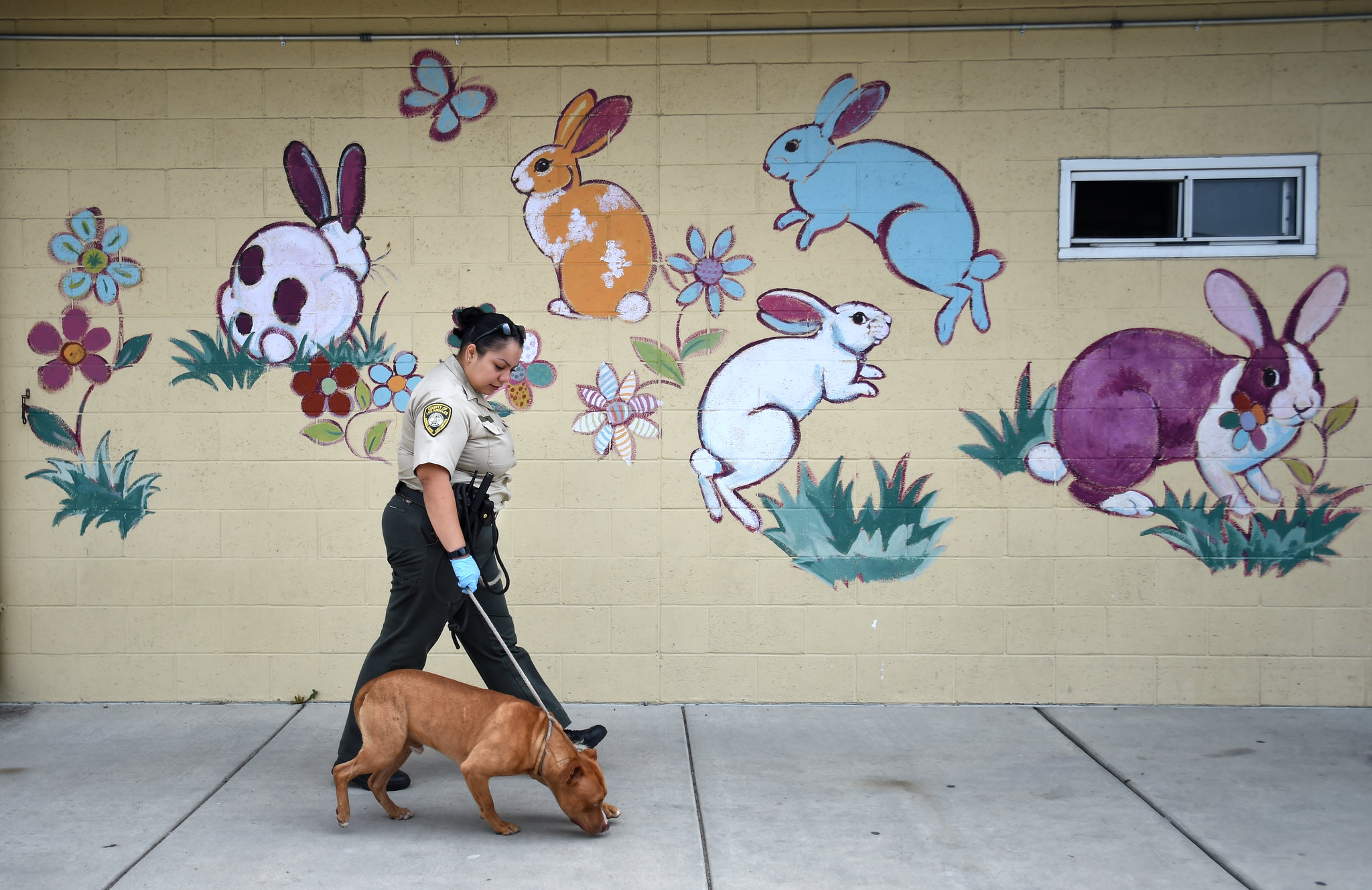
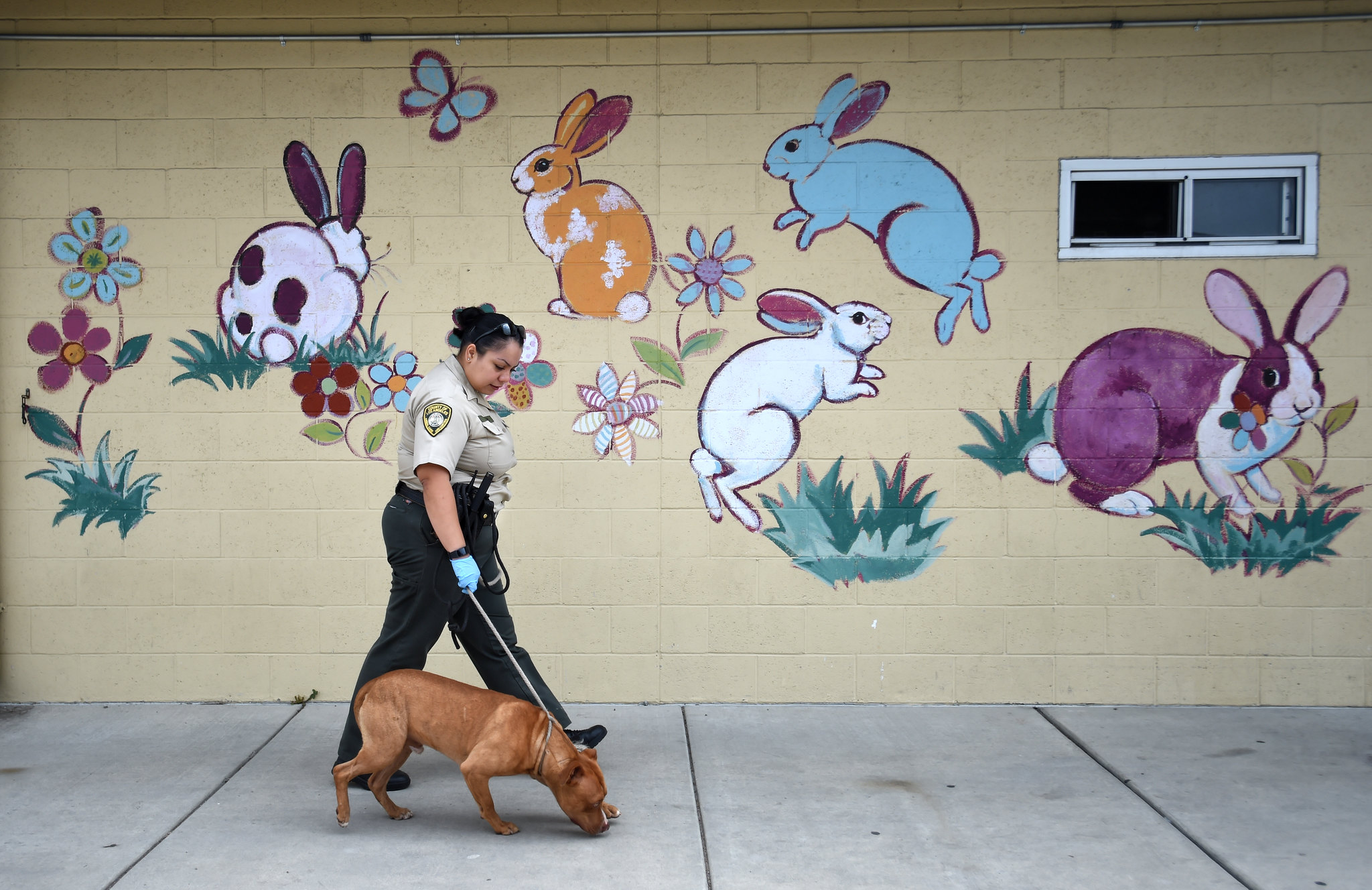
Local culture treats companion animals as honorary citizens. Cafés welcome four-legged patrons with water bowls and treats, hotels advertise plush pet beds, and weekend farmers’ markets set aside shaded areas for socializing. Seasonal events such as costume parades and surf competitions for dogs highlight the joyful bond shared across the community.
The Role of Technology
Digital tools simplify life for busy guardians. Mobile apps connect owners with trusted walkers, groomers, and emergency clinics in seconds, while subscription boxes deliver customized toys and treats to doorsteps. Wearable trackers monitor exercise and health trends, giving veterinarians data-rich insights during routine check-ups.
Challenges and Opportunities
Challenges Facing the Pet Industry in LA
Rapid growth brings hurdles. Shelters occasionally operate near capacity, and public awareness campaigns emphasize adoption, spay-neuter initiatives, and responsible ownership. Coordinating city resources, nonprofit groups, and private businesses remains essential to maintain animal welfare standards.
Opportunities for Growth
Innovation opens new doors. Demand is rising for biodegradable waste bags, plant-based diets, and recycled-material accessories. Older pets benefit from joint-care supplements, physical therapy pools, and housing developments that include ramps and quiet zones. Entrepreneurs who merge compassion with sustainability are well positioned to thrive.
Conclusion
The pet economy in Los Angeles reflects a city that values companionship, creativity, and forward-thinking solutions. Continued collaboration among residents, businesses, and policymakers can nurture an environment where animals and people flourish together for generations to come.
Revisiting the Purpose and Importance
This discussion aimed to illuminate the scale and character of Los Angeles’ pet landscape, underscoring its cultural resonance and financial vitality. Recognizing these dynamics helps stakeholders make informed choices that benefit neighborhoods, local commerce, and the animals we cherish.
Recommendations and Future Research
To strengthen the ecosystem further, civic leaders and industry innovators might consider:

1. Expanding low-cost sterilization and adoption drives to keep population levels balanced.
2. Investing in greener supply chains that lessen environmental paw prints.
3. Supporting studies that track shifting consumer preferences and pet health outcomes.
Future inquiries could examine:
1. The projected economic footprint of pet services over the next decade.
2. How pet-inclusive urban planning influences community well-being.

3. Emerging technologies poised to redefine nutrition, care, and connectivity for companion animals.