




Title: The Impact of Pet Stores That Sell Dogs: A Comprehensive Analysis
Introduction:
The pet industry has grown steadily, and pet stores remain central to supplying owners with food, toys, and companions. Among these businesses, those offering puppies for sale attract particular interest because they influence market trends, consumer habits, and animal welfare. This article reviews how such stores affect the wider industry, the moral questions they raise, and the long-term health of the dogs involved. By weighing several angles, the discussion underlines the need for transparent, humane standards wherever dogs are traded.
Impact on the Pet Industry
Stores that sell puppies shape the pet sector in measurable ways:
1. Economic Contribution: These outlets generate significant income through live sales, accessories, food, and grooming add-ons, reinforcing the industry’s financial base.
2. Job Creation: Staff roles—ranging from retail positions to grooming and logistical support—expand local employment and nurture specialist skills.

3. Market Expansion: By showcasing different breeds and new product lines, stores stimulate demand and encourage suppliers to innovate.
Ethical Considerations
Trading puppies through retail spaces sparks ongoing debate. Key concerns include:
1. Breeding Standards: Critics question whether source kennels provide adequate space, veterinary care, and socialization, or prioritize profit over health.
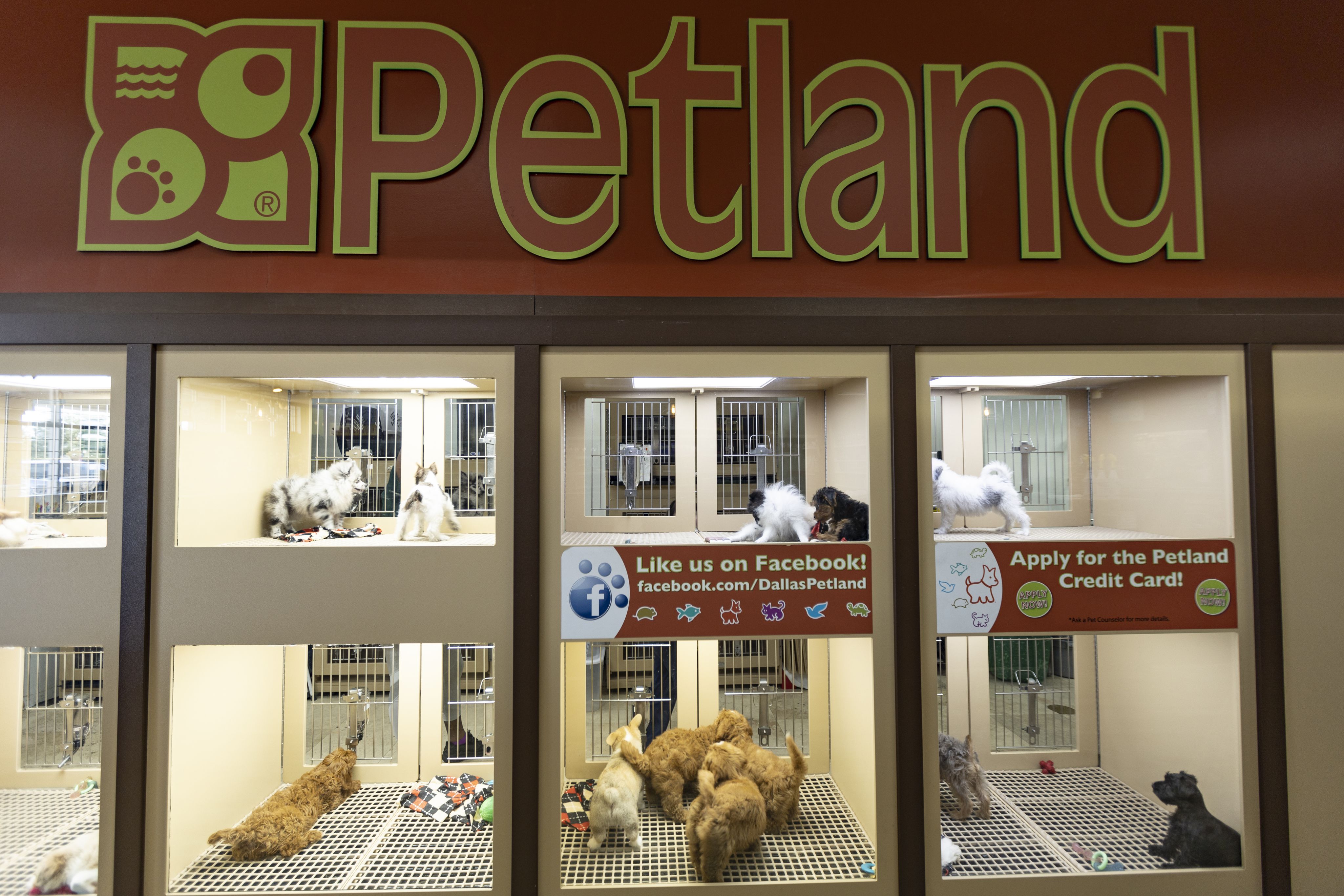
2. In-store Welfare: Limited enclosure size, insufficient exercise, and high customer traffic can stress young dogs and shape future behavioral problems.
3. Adoption versus Purchase: Many advocates urge the public to consider shelters and rescues first, arguing that rehoming reduces overpopulation and gives dogs a second chance.
Supporting Evidence and Research
Independent studies offer insight into the debate:

1. Breeding Standards: Investigations suggest a notable share of retail puppies originate from large-scale facilities with uneven welfare records.
2. In-store Welfare: Peer-reviewed work indicates that puppies kept in busy retail settings can display elevated stress hormones compared with those in quieter foster homes.
3. Adoption versus Purchase: Longitudinal surveys report fewer behavioral challenges and lower relinquishment rates among dogs adopted from nonprofit shelters.
Alternatives to Pet Stores That Sell Dogs
Options that place animal welfare at the forefront are gaining ground:
1. Shelters and Rescue Networks: These organizations vaccinate, spay or neuter, and temperament-test dogs before matching them with families, easing pressure on commercial channels.
2. Responsible Small Breeders: Hobby breeders who raise litters at home, screen buyers, and offer lifetime support exemplify how sales can coexist with high welfare standards.
3. Digital Meet-and-Greet Platforms: Reputable websites now verify breeder credentials, publish inspection reports, and allow video visits, helping buyers choose ethically without impulse decisions.
Conclusion
Pet stores that sell dogs remain influential economic players, yet their practices invite scrutiny over animal welfare. Balancing commerce with conscience calls for tighter sourcing rules, transparent records, and educated consumers. Shelters, rescues, and accountable breeders demonstrate that healthy, well-socialized pets can reach homes through varied paths. Continued research, clearer regulation, and public awareness will be vital to ensure every dog—wherever it is obtained—begins life in an environment that values health, behavior, and lifelong care.