
Title: How Local Pet-Adoption Portals Transform Animal Welfare
Introduction
Adopting, rather than shopping, has become a popular way to welcome a new companion, and regional online portals play a big part in matching pets with families. One such site serves the greater Augusta area, quietly reshaping how people discover and adopt animals in need. This article looks at how the platform supports welfare, the hurdles it meets, and what lies ahead.
The Role of the Portal in Animal Welfare
The site acts as a nonprofit bridge between homeless pets and prospective guardians. By gathering listings from shelters, foster networks, and rescue groups, it creates a single, easy-to-search gallery of dogs, cats, and small critters. Its contributions include:
1. Easing Overcrowding: Every successful match frees up kennel space and lowers the risk that animals will face long waits or worse.
2. Encouraging Responsible Care: Profile pages spell out exercise needs, grooming demands, and medical history, nudging future owners to think seriously about lifelong commitment.
3. Boosting Partner Groups: When a tiny rescue can showcase its animals next to larger shelters, visibility rises across the board, helping more pets find homes faster.
Challenges Faced by the Portal
Progress is steady, yet several obstacles slow the pace:
1. Tight Budgets: Like most welfare projects, the site relies on donations and volunteers, so expansion, tech upgrades, and marketing must compete for limited funds.
2. Lingering Myths: Some adopters still worry that shelter pets come with hidden problems. Clear photos, medical notes, and success stories help chip away at those doubts.
3. Digital Noise: National adoption giants and social-media giveaways crowd the field, making it harder for a community page to stay at the top of search results.
Success Stories and Testimonials
Behind every click is a tail-wagging or purring outcome. A few recent highlights:
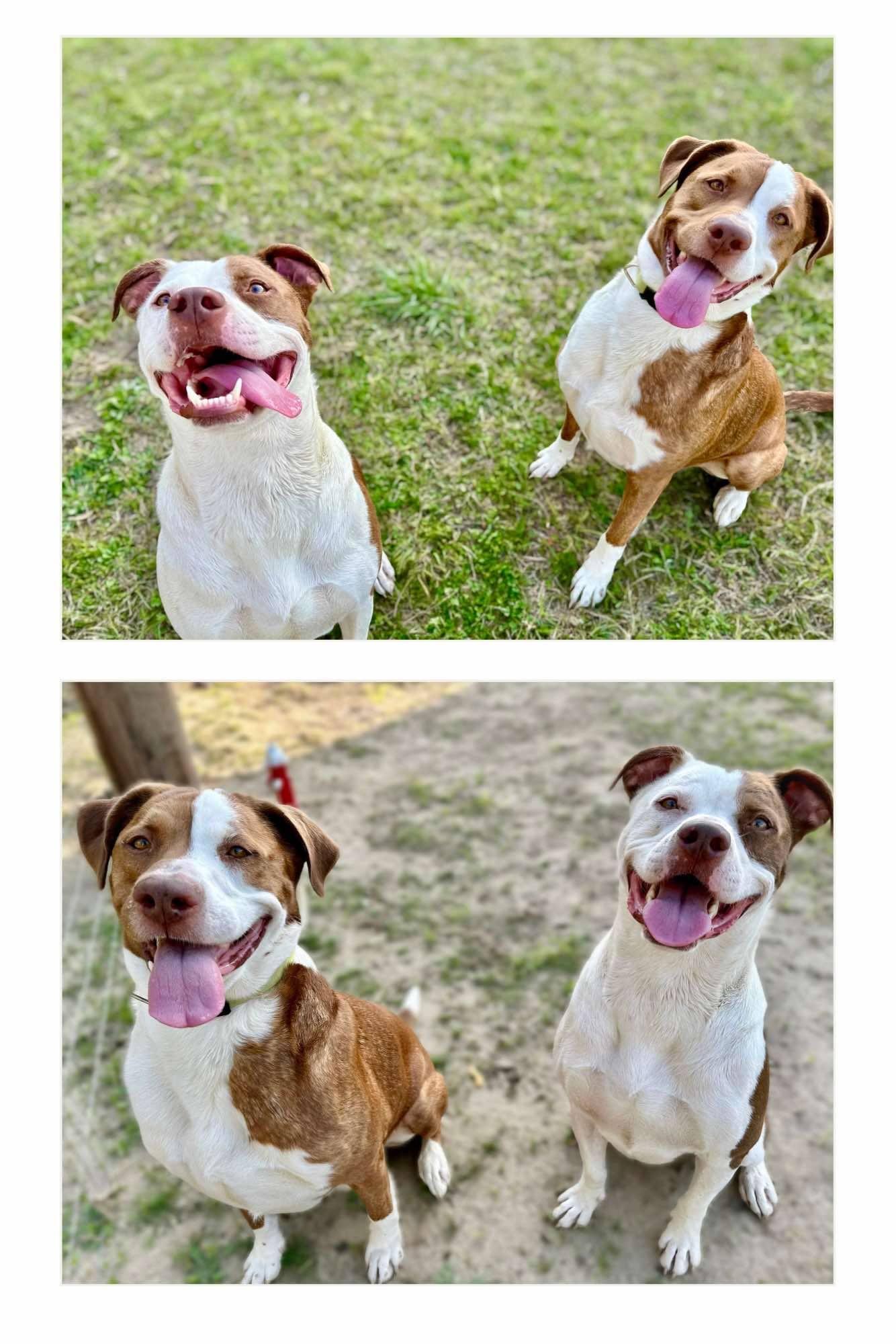
1. From Shy to Social: A timid hound found a patient family willing to build confidence through daily walks and gentle training; six months later, she greets visitors with a full-body wag.
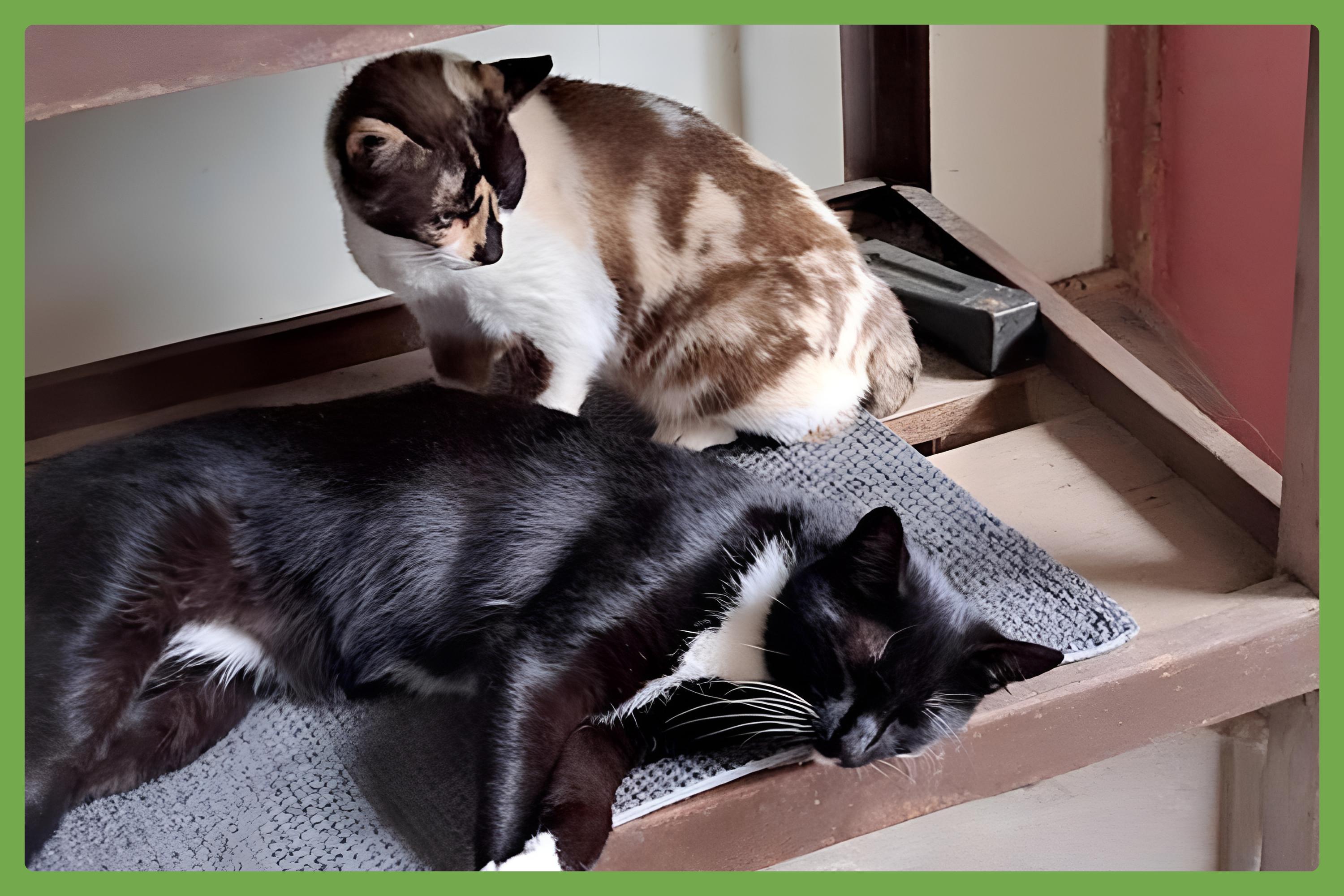
2. Second Chance for a Stray: An orange tabby once living behind a restaurant moved into a quiet apartment where sunbeams and chin scratches are part of the daily routine.
Future Prospects and Recommendations
To keep momentum, the portal can focus on three areas:
1. Local Partnerships: Co-host weekend meet-and-greets at farmers’ markets or pet-supply shops, offering discount coupons to adopters and cross-promoting small businesses.
2. Diversified Funding: Apply for welfare grants, launch low-cost crowdfunding drives, and invite regional companies to sponsor “Pet of the Week” posts.
3. Community Involvement: Run short workshops on topics like introducing cats to dogs, recruit volunteers for transport or photography, and celebrate each finalized adoption on social channels.
Conclusion
By uniting shelters, simplifying searches, and championing adoption, the Augusta-area portal has already changed countless lives—two-legged and four-legged alike. Continued teamwork, steady resources, and community enthusiasm will determine how many more happy endings are written in the years to come.